

The source of the book
This book is published for the public benefit under a Creative Commons license, or with the permission of the author or publisher. If you have any objections to its publication, please contact us.
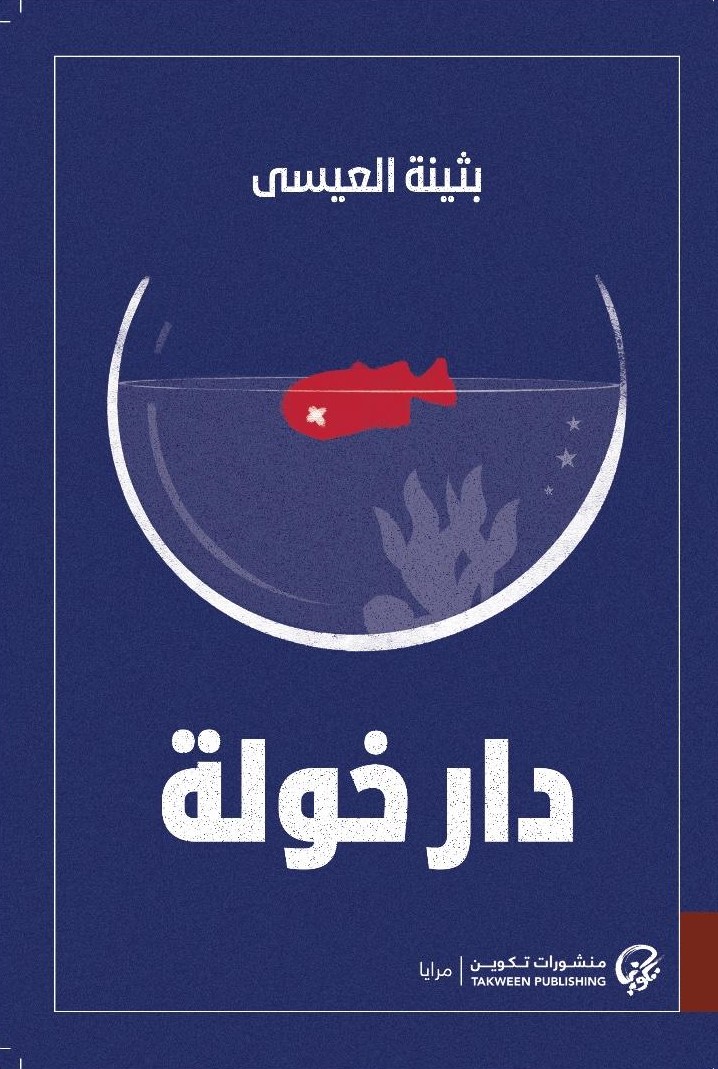
دار خولة PDF - Buthaina Al-Issa
Buthaina Al-Issa • Drama novels • 88 Pages
(0)
Quate
Review
Save
Share
Book Description
«دار خولة» رواية عربية قصيرة للكاتبة الكويتية بثينة العيسى، صدرت سنة 2024، وترد في بيانات البيع المعتمدة لدى مكتبات الشروق وأبجد عن «منشورات تكوين»، بعدد صفحات يبلغ 112 صفحة، بينما يعرض نيل وفرات طبعة لاحقة بتاريخ 01/01/2025 ويشير إلى أنها الطبعة الثالثة. لذلك يمكن اعتماد 2024 سنةً للنشر الأول المتداول للرواية، مع الإشارة إلى وجود طبعات لاحقة.
تنتمي رواية «دار خولة» إلى الأعمال المكثفة التي تبني عالمها من مساحة ضيقة وزمن محدود. فالأحداث تدور في ليلة واحدة تقريبًا، خلال عشاء تعدّه الدكتورة خولة سليمان، أستاذة الفلكلور، لأبنائها الثلاثة، في محاولة لاستعادة تماسك عائلي تصدّع مع الوقت. هذا الاختيار يمنح الرواية إيقاعًا متوترًا؛ إذ تتحول مائدة الطعام من مناسبة للمّ الشمل إلى مساحة اعتراف ومواجهة، تنكشف فيها طبقات قديمة من سوء الفهم والخذلان والاختلاف بين الأم وأبنائها. (
تقدّم بثينة العيسى شخصية خولة كامرأة في الخامسة والخمسين، أمًّا ومثقفة، تحمل داخلها صراعًا بين صورتها عن نفسها كأم وبين شرطها الإنساني كامرأة لها أفكارها وقناعاتها وتاريخها. ليست خولة أمًا مثالية ولا شخصية شريرة؛ بل تبدو شخصية مركّبة، تحاول فهم أبنائها كما تحاول الدفاع عن عالمها القديم. ومن خلال هذه الشخصية، تطرح الرواية أسئلة عن الأمومة: هل يكفي الحب وحده؟ وهل يمكن للأم أن تحب أبناءها بطريقة لا يحتاجونها؟ وهل يصبح الحب، رغم صدقه، مشروطًا بتصوراتنا عن الصواب والخطأ والهوية والانتماء؟
تبدأ العقدة من رغبة خولة في إصلاح العلاقة مع أبنائها ناصر ويوسف وحمد. الهدوء الأول حول الطاولة يبدو خادعًا؛ فما إن تُفتح الملفات المؤجلة حتى تتصاعد التوترات. ناصر يظهر بوصفه الابن القريب من النموذج الأمريكي، ويوسف يميل إلى الوصاية وإطلاق الأحكام، أما حمد فيحمل ارتباك الجيل الجديد ولغته ومفرداته. بهذا التوزيع لا تكتب الرواية عن أسرة واحدة فقط، بل عن بيت عربي تتقاطع داخله أسئلة الحداثة، والعولمة، والسلطة الأبوية، وتأثير وسائل التواصل الاجتماعي في العلاقات الخاصة.
تعود خولة في ذاكرتها إلى ما بعد عام 1991 وحرب تحرير الكويت، حين كان الانبهار بالنموذج الأمريكي حاضرًا في وعيها ووعي زوجها. غير أن هذا الانبهار يتحول لاحقًا إلى مراجعة حادة وموقف متشدد من العولمة والغرب، وهو ما يزيد المسافة بينها وبين أبنائها. الصراع هنا ليس سياسيًا فقط، بل عائلي ونفسي أيضًا؛ فكل شخصية تتمسك بحقيقتها الخاصة، وتفشل في الاستماع إلى الآخرين من دون تحويل الكلام إلى اتهام.
يعتمد بناء «دار خولة» على تعدد الأصوات، حيث تتيح بثينة العيسى للشخصيات أن تكشف وجهات نظرها، فلا يبقى القارئ أسير رواية الأم وحدها ولا رواية الأبناء وحدهم. هذه التقنية تمنح النص عمقًا، لأن كل طرف يبدو مجروحًا ومقتنعًا في الوقت نفسه بأنه الضحية وصاحب الحق. ومن هنا تأتي قوة الرواية: إنها لا تبحث عن منتصر في الشجار العائلي، بل تكشف كيف يمكن للحب أن يفشل عندما يغيب الإصغاء، وكيف تتحول الأسرة إلى مكان تتجاور فيه المحبة والقسوة.
في المحصلة، «دار خولة» لبثينة العيسى رواية عن بيت صغير يحمل أسئلة كبيرة: الأمومة، الهوية، الشيخوخة، الجيل الجديد، والاصطدام بين الثقافة العربية والحداثة الغربية. وبفضل لغتها المكثفة ومساحتها القصيرة، تصل الرواية إلى القارئ بوصفها حكاية عائلية مؤلمة لا تعتمد على الأحداث الكثيرة، بل على التوتر الداخلي بين الشخصيات. إنها عمل مناسب لمن يبحث عن رواية عربية معاصرة تفتح نقاشًا هادئًا ومؤلمًا حول معنى أن نحب أبناءنا، وأن نختلف معهم، وأن نكتشف أحيانًا أن البيت نفسه قد يصبح أكثر الأماكن حاجة إلى التفاهم.
Buthaina Al-Issa
Buthaina Al-Essa is a leading Kuwaiti novelist, writer, publisher, and cultural figure whose work has become central to contemporary Arabic literature and to the growing international interest in Gulf fiction. Born in Kuwait in 1982, she developed a literary voice that combines emotional intensity, social awareness, narrative suspense, and a sharp concern with freedom, censorship, memory, motherhood, childhood, and the fragile relationship between language and power. Although her academic background is connected with business administration and finance at Kuwait University, her public career has been defined by literature, publishing, creative-writing education, and advocacy for a more open reading culture. Al-Essa’s fiction is often described as accessible and deeply layered at the same time: she can build a page-turning story, but beneath the plot she places questions about identity, trauma, silence, family structures, gender expectations, and the moral cost of social control. This ability has made her one of the most widely read Kuwaiti authors of her generation and an important name for readers searching for modern Arabic novels, Kuwaiti literature, Arab women writers, and literary fiction from the Gulf. Her novels include works such as “كبرت ونسيت أن أنسى,” translated into English as “All That I Want to Forget,” “خرائط التيه,” translated as “Lost in Mecca,” and “حارس سطح العالم,” translated as “The Book Censor’s Library,” along with other Arabic works including “عائشة تنزل إلى العالم السفلي,” “قيس وليلى والذئب,” “السندباد الأعمى,” and “دار خولة.” Across these books, Al-Essa frequently writes about characters who are trapped between the desire to speak and the fear of punishment, between inherited social rules and private pain, between the ordinary surfaces of daily life and the darker meanings hidden beneath them. Her style is marked by psychological precision, symbolic imagination, and a strong sense of rhythm; she often uses short, vivid scenes and emotionally charged images to create a reading experience that feels intimate while still addressing broad cultural questions. Beyond her novels, Buthaina Al-Essa is also known as the founder of Takween, a bookshop, publishing house, and cultural platform in Kuwait that has played a major role in supporting readers, writers, translators, and creative-writing communities. Through Takween and through her workshops on writing, she has helped shape a literary ecosystem rather than simply participating in it as an individual author. This combination of literary production and cultural institution-building is one reason her name carries weight not only among readers but also among publishers, translators, critics, and aspiring writers. Her international reputation expanded when her works appeared in English translation. “All That I Want to Forget” introduced English-language readers to her exploration of memory, womanhood, and family pressure; “Lost in Mecca” brought attention to her intense treatment of loss, pilgrimage, fear, and the vulnerability of childhood; and “The Book Censor’s Library” presented a dystopian meditation on censorship, reading, and the danger of reducing language to safe surfaces. “The Book Censor’s Library” won the Sharjah Award for Arab Creativity in the novel category in 2021 and became a finalist for the 2024 National Book Award for Translated Literature in the United States, further confirming Al-Essa’s position as a major contemporary Arab novelist. For website biographies, bookstore pages, literary catalogs, and SEO-friendly author profiles, Buthaina Al-Essa can be presented as a bestselling Kuwaiti author whose fiction combines social critique, emotional storytelling, and imaginative resistance to censorship. Her work appeals to readers interested in feminist Arabic literature, translated Arabic fiction, Gulf women writers, literary dystopia, psychological novels, and books that examine how societies control bodies, memories, and words.
Earn Rewards While Reading!
Every 10 pages you read and spent 30 seconds on every page, earns you 5 reward points! Keep reading to unlock achievements and exclusive benefits.
Read
Rate Now
5 Stars
4 Stars
3 Stars
2 Stars
1 Stars
دار خولة Quotes
Top Rated
Latest
Quate
Be the first to leave a quote and earn 10 points
instead of 3
'%20/%3e%3c/svg%3e "عائشة تنزل الى العالم السفلي")
Comments
Be the first to leave a comment and earn 5 points
instead of 3