Languages
Sections number: 18
Books number: 463
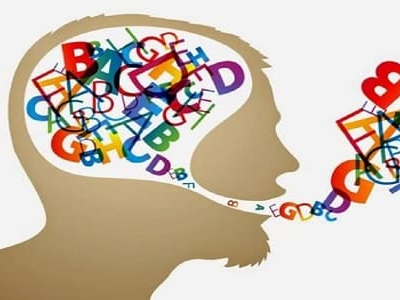
Languages are a fundamental aspect of human communication, culture, and identity. They allow individuals to express thoughts, feelings, and ideas to others, and can shape the way we perceive the world around us.
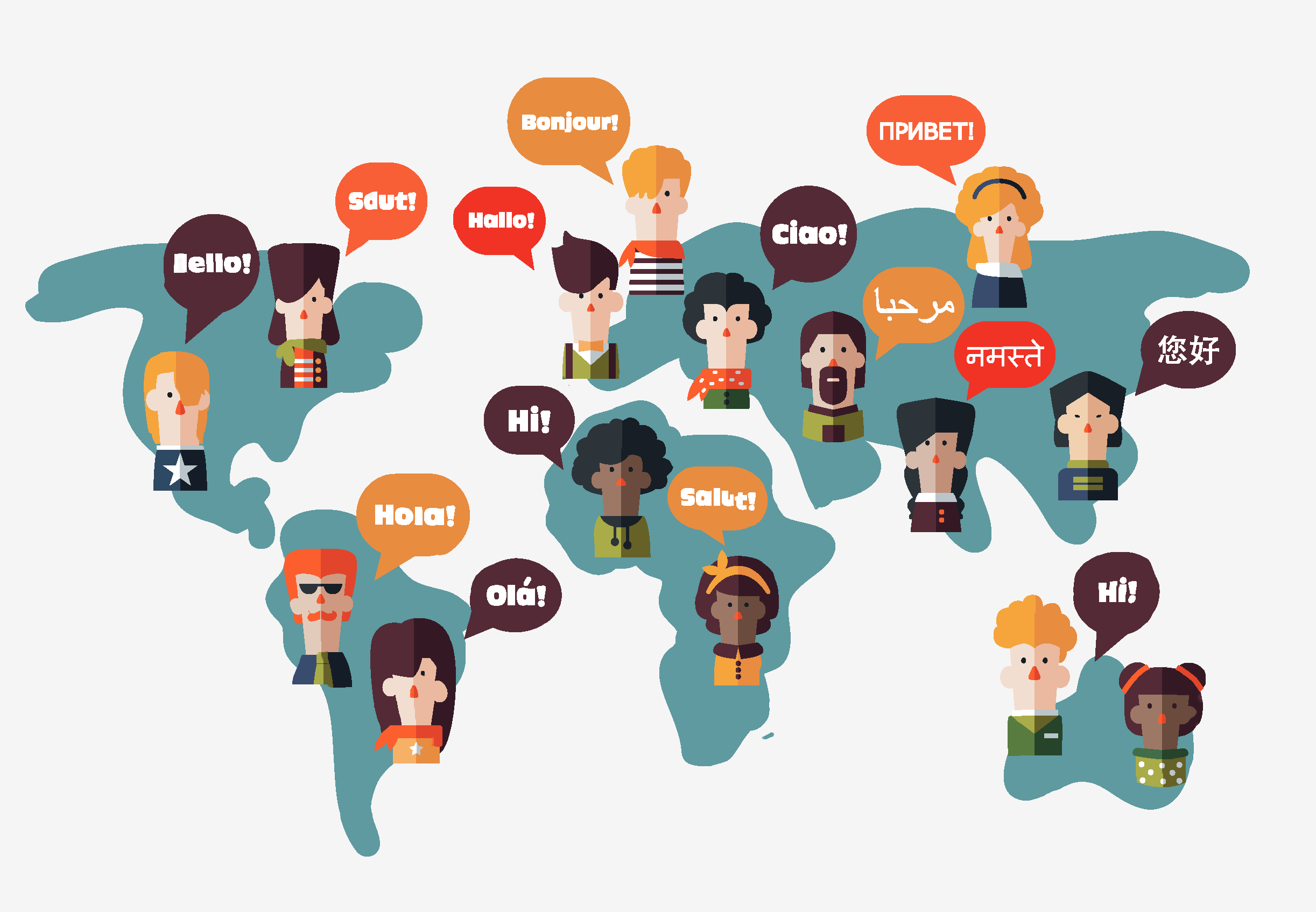
There are thousands of languages spoken around the world, with estimates ranging from 6,000 to over 7,000. Each language has its own unique grammar, vocabulary, and pronunciation, and can vary significantly in terms of complexity and ease of learning.
While some languages are spoken by millions of people and are considered global languages, such as English, Spanish, and Chinese, there are also many languages that are spoken by only a few thousand or even just a few hundred people. These languages are often endangered due to factors such as globalization, cultural assimilation, and political marginalization.
Language is closely tied to culture and identity, and the loss of a language can have significant consequences for a community's sense of self and history. Efforts to preserve endangered languages are therefore important not only for linguistic diversity, but also for cultural and historical preservation.
Language learning is also an important aspect of cross-cultural communication and understanding. Learning a new language can open up new opportunities for travel, work, and personal relationships, and can also lead to greater empathy and understanding of other cultures and perspectives.
The study of linguistics, the scientific study of language and its structure, has helped to deepen our understanding of how language works and how it influences our cognition. Through linguistics, we can gain insights into how languages evolve over time, how they are learned and acquired, and how they are used in social contexts.
The development of technology has also had a significant impact on language. The internet and social media have created new platforms for communication, and have enabled people from around the world to connect and communicate in ways that were previously impossible. These platforms have also facilitated the spread of global languages, as well as the preservation and revitalization of endangered languages.