

The source of the book
This book is published for the public benefit under a Creative Commons license, or with the permission of the author or publisher. If you have any objections to its publication, please contact us.
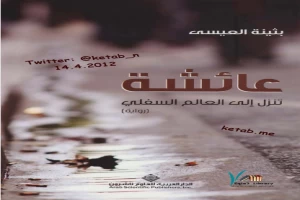
عائشة تنزل الى العالم السفلي PDF - Buthaina Al-Issa
Buthaina Al-Issa • Literary novels • 232 Pages
(0)
Author
Buthaina Al-IssaCategory
literatureSection
Number Of Downloads
52
Number Of Reads
226
File Size
2.54 MB
Views
1,520
Quate
Review
Save
Share
Book Description
الكتاب المقصود هو «عائشة تنزل إلى العالم السفلي» للكاتبة الكويتية بثينة العيسى. نُشرت الرواية عن الدار العربية للعلوم ناشرون، وتورد بعض بيانات المكتبات تاريخ النشر عام 2012، بينما تُدرج منصات أخرى طبعة متداولة عام 2016 عن الناشر نفسه؛ لذلك يمكن الإشارة إليها بوصفها رواية صادرة عن الدار العربية للعلوم مع الانتباه إلى اختلاف بيانات الطبعات.
تُعد رواية «عائشة تنزل إلى العالم السفلي» واحدة من الأعمال اللافتة في تجربة بثينة العيسى، لأنها لا تعتمد على حبكة خارجية صاخبة بقدر ما تبني عالمها داخل نفس امرأة محطمة. بطلة الرواية، عائشة، أم فقدت ابنها عزيز وهو في الخامسة، وتجد نفسها قبل ذكرى موته الرابعة بأسبوع عاجزة عن قبول الحياة كما هي. يصف الناشر أجواء الرواية بأنها غرفة مغلقة مع أم مكلومة ترفض الحياة بعد فقد ابنها، وتلجأ إلى الكتابة في أيام معدودة تسبق قرارًا وجوديًا حاسمًا.
تبدأ الرواية من جرح الفقد، لكنها لا تبقى عند حدود البكاء على الغائب. عائشة لا تريد أن تتصالح سريعًا، ولا ترغب في أن يمنحها الآخرون وصفات جاهزة عن الصبر والتجاوز. موت عزيز، وخصوصًا لأنه حدث غرقًا وأمام العين بحسب وصف بعض الملخصات المتداولة للرواية، يجعل الذاكرة نفسها ساحة عذاب: كيف يمكن للأم أن تحافظ على صورة ابنها حية؟ وكيف تواجه احتمال أن تتآكل الذكرى مع الوقت؟
تتحول الكتابة في الرواية إلى نزول رمزي نحو “العالم السفلي”، أي نحو منطقة الألم والذنب والأسئلة التي تتجنبها الحياة اليومية. تستدعي بثينة العيسى أجواء أسطورية وفلسفية، وتربط بين الحياة والموت، وبين العالم الدنيوي وما يشبه العالم الآخر، من دون أن تجعل الرواية عملًا غرائبيًا خالصًا. فالنزول هنا نفسي وروحي قبل أن يكون مكانيًا؛ إنه محاولة من عائشة لفهم ما حدث، ولمساءلة معنى الأمومة بعد الفقد، ومعنى البقاء حين يصبح البقاء نفسه عبئًا.
تقوم حبكة «عائشة تنزل إلى العالم السفلي» على سبعة أيام تكتب فيها عائشة وهي تقترب من قرارها بالموت. في هذه الأيام تنفتح الذاكرة على زوجها، وطفلها، وذاتها القديمة، وعلى الأسئلة التي لم تعد قادرة على إخفائها: هل يمكن أن تستمر الحياة بعد كارثة شخصية كهذه؟ هل الحب قوة إنقاذ، أم أنه السبب الذي يجعل الفقد أكثر قسوة؟ وهل الصفح ممكن حين تشعر الأم بأنها خُذلت من العالم ومن نفسها؟ تندفع الرواية عبر تيار وعي كثيف، حيث تتداخل الخواطر والذكريات والتأملات، وقد درست أبحاث نقدية هذا الجانب بوصفه جزءًا من بناء الشخصية المأزومة نفسيًا.
لا تقدم الرواية عائشة كضحية ساكنة فقط، بل كصوت غاضب ومضطرب يبحث عن حقه في الحزن كاملًا، لا الحزن المهذب الذي ينتظره المجتمع من الأم. ولهذا تبدو الرواية اجتماعية بقدر ما هي نفسية؛ فهي تكشف ضغط العبارات الجاهزة، وثقل التوقعات التي تطالب المفجوع بأن ينهض بسرعة، وأن يبتسم، وأن يتظاهر بأنه بخير. في المقابل، تمنح بثينة العيسى بطلتها مساحة واسعة للاعتراف بالضعف والظلام والحنين.
ملخص الرواية، في جوهره، هو رحلة أم اسمها عائشة من الرغبة في الفناء إلى احتمال إعادة اختبار الحياة. تفقد عائشة ابنها عزيزًا، فتنسحب من العالم وتقرر أن تكتب خلال سبعة أيام قبل أن تمضي إلى نهايتها. ومع كل يوم، لا تكتشف الموت فقط، بل تكتشف طبقات من ذاتها: خوفها، غضبها، حبها، إحساسها بالذنب، وتمسكها بصورة طفلها. ومع أن العنوان يوحي بالهبوط، فإن الرواية تتحول تدريجيًا إلى سؤال معاكس: هل يمكن لمن نزل إلى قاع الفقد أن يعود؟ بذلك تجعل بثينة العيسى من «عائشة تنزل إلى العالم السفلي» رواية عن الحداد، والأمومة، والذاكرة، والنجاة الصعبة من أكثر التجارب الإنسانية إيلامًا.
Buthaina Al-Issa
Buthaina Al-Essa is a leading Kuwaiti novelist, writer, publisher, and cultural figure whose work has become central to contemporary Arabic literature and to the growing international interest in Gulf fiction. Born in Kuwait in 1982, she developed a literary voice that combines emotional intensity, social awareness, narrative suspense, and a sharp concern with freedom, censorship, memory, motherhood, childhood, and the fragile relationship between language and power. Although her academic background is connected with business administration and finance at Kuwait University, her public career has been defined by literature, publishing, creative-writing education, and advocacy for a more open reading culture. Al-Essa’s fiction is often described as accessible and deeply layered at the same time: she can build a page-turning story, but beneath the plot she places questions about identity, trauma, silence, family structures, gender expectations, and the moral cost of social control. This ability has made her one of the most widely read Kuwaiti authors of her generation and an important name for readers searching for modern Arabic novels, Kuwaiti literature, Arab women writers, and literary fiction from the Gulf. Her novels include works such as “كبرت ونسيت أن أنسى,” translated into English as “All That I Want to Forget,” “خرائط التيه,” translated as “Lost in Mecca,” and “حارس سطح العالم,” translated as “The Book Censor’s Library,” along with other Arabic works including “عائشة تنزل إلى العالم السفلي,” “قيس وليلى والذئب,” “السندباد الأعمى,” and “دار خولة.” Across these books, Al-Essa frequently writes about characters who are trapped between the desire to speak and the fear of punishment, between inherited social rules and private pain, between the ordinary surfaces of daily life and the darker meanings hidden beneath them. Her style is marked by psychological precision, symbolic imagination, and a strong sense of rhythm; she often uses short, vivid scenes and emotionally charged images to create a reading experience that feels intimate while still addressing broad cultural questions. Beyond her novels, Buthaina Al-Essa is also known as the founder of Takween, a bookshop, publishing house, and cultural platform in Kuwait that has played a major role in supporting readers, writers, translators, and creative-writing communities. Through Takween and through her workshops on writing, she has helped shape a literary ecosystem rather than simply participating in it as an individual author. This combination of literary production and cultural institution-building is one reason her name carries weight not only among readers but also among publishers, translators, critics, and aspiring writers. Her international reputation expanded when her works appeared in English translation. “All That I Want to Forget” introduced English-language readers to her exploration of memory, womanhood, and family pressure; “Lost in Mecca” brought attention to her intense treatment of loss, pilgrimage, fear, and the vulnerability of childhood; and “The Book Censor’s Library” presented a dystopian meditation on censorship, reading, and the danger of reducing language to safe surfaces. “The Book Censor’s Library” won the Sharjah Award for Arab Creativity in the novel category in 2021 and became a finalist for the 2024 National Book Award for Translated Literature in the United States, further confirming Al-Essa’s position as a major contemporary Arab novelist. For website biographies, bookstore pages, literary catalogs, and SEO-friendly author profiles, Buthaina Al-Essa can be presented as a bestselling Kuwaiti author whose fiction combines social critique, emotional storytelling, and imaginative resistance to censorship. Her work appeals to readers interested in feminist Arabic literature, translated Arabic fiction, Gulf women writers, literary dystopia, psychological novels, and books that examine how societies control bodies, memories, and words.
Earn Rewards While Reading!
Every 10 pages you read and spent 30 seconds on every page, earns you 5 reward points! Keep reading to unlock achievements and exclusive benefits.
Read
Rate Now
5 Stars
4 Stars
3 Stars
2 Stars
1 Stars
عائشة تنزل الى العالم السفلي Quotes
Top Rated
Latest
Quate
Be the first to leave a quote and earn 10 points
instead of 3
'%20/%3e%3c/svg%3e "كبرت ونسيت أن أنسى")
Comments
Be the first to leave a comment and earn 5 points
instead of 3