

The source of the book
This book is published for the public benefit under a Creative Commons license, or with the permission of the author or publisher. If you have any objections to its publication, please contact us.
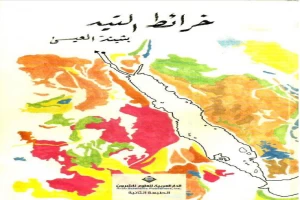
خرائط التيه PDF - Buthaina Al-Issa
Buthaina Al-Issa • Literary novels • 412 Pages
(0)
Author
Buthaina Al-IssaCategory
literatureSection
Number Of Downloads
61
Number Of Reads
362
File Size
5.88 MB
Views
2,308
Quate
Review
Save
Share
Book Description
رواية «خرائط التيه» للكاتبة الكويتية بثينة العيسى هي عمل روائي عربي صدر عام 2015 عن الدار العربية للعلوم ناشرون، وتُصنَّف ضمن الروايات الاجتماعية والنفسية التي تقترب من أسئلة الفقد، والخوف، والإيمان، ومعنى الإنسان في عالم قاسٍ. تدور الرواية في نحو أربعمئة صفحة، وتبدأ من حدث عائلي بسيط في ظاهره، لكنه يتحول سريعًا إلى مأساة وجودية واسعة، حيث تفقد أسرة كويتية طفلها أثناء أداء مناسك الحج في مكة. تشير بيانات النشر في أكثر من مصدر إلى أن الرواية صدرت عام 2015 عن الدار العربية للعلوم ناشرون، مع اختلافات طفيفة في عدد الصفحات بحسب الطبعة.
تبدأ أحداث «خرائط التيه» مع فيصل وزوجته سمية وطفلهما مشاري، حين يسافرون من الكويت إلى مكة المكرمة لأداء فريضة الحج. تبدو الرحلة في بدايتها رحلة روحانية مأمولة، تحمل وعدًا بالطمأنينة والغفران، لكن الزحام الهائل حول الكعبة يحوّل اللحظة المقدسة إلى نقطة انهيار. تفقد سمية يد ابنها مشاري أثناء الطواف، فيختفي الطفل وسط الجموع، وتبدأ رحلة بحث موجعة تقلب حياة الأسرة بالكامل. منذ هذه اللحظة لا تعود الرواية عن الحج وحده، بل عن اختبار الإنسان عندما يفقد أكثر ما يحب، وعن هشاشة الأمان الذي يظن الناس أنهم يمتلكونه.
ملخص رواية «خرائط التيه» يتمحور حول اختفاء مشاري وما يتركه ذلك من أثر مدمر في والديه. فيصل يندفع في البحث المادي، بين المدن والطرق والاحتمالات والبلاغات، بينما تتشبث سمية بالدعاء والأمل، كأن الإيمان هو الخيط الأخير الذي يمنعها من السقوط. تتسع الرواية بعد ذلك لتكشف أن اختفاء الطفل ليس حادثًا عابرًا، بل يرتبط بعالم مظلم من الجريمة المنظمة وخطف الأطفال والاتجار بالبشر. يظهر الطفل في مواجهة خوف أكبر من سنه، بعيدًا عن حضن أمه وأمان أبيه، بينما يدخل والداه في متاهة لا يعرفان لها نهاية.
تنجح بثينة العيسى في جعل البحث عن مشاري بحثًا عن معنى أعمق: ما قيمة الإنسان حين يصبح جسده سلعة؟ كيف يصمد الحب أمام العجز؟ وهل يزيد الألم الإيمان قوة أم يهزّه من جذوره؟ لذلك لا تكتفي «خرائط التيه» بسرد مأساة طفل مفقود، بل تستخدم الفقد لكشف طبقات من التيه النفسي والاجتماعي والسياسي. تمتد رحلة الرواية من الكويت إلى مكة، ثم إلى فضاءات أوسع داخل المملكة وسيناء، لتصير الخريطة الجغرافية مرآة لخريطة داخلية أشد تعقيدًا: خريطة الخوف، والذنب، والرجاء، وانكسار اليقين.
أهمية رواية «خرائط التيه» لبثينة العيسى تكمن في جرأتها على تناول موضوع مؤلم دون تزيين أو مبالغة عاطفية فارغة. اللغة مشحونة بالتوتر، والشخصيات لا تُقدَّم بوصفها رموزًا جامدة، بل كبشر يتبدلون تحت ضغط الصدمة. فيصل وسمية لا يبحثان عن ابنهما فقط، بل يواجهان نفسيهما والعالم الذي سمح بحدوث الكارثة. أما مشاري، فيمثل البراءة حين تُلقى في مواجهة نظام بالغ الوحشية. ومن خلال هذه العناصر، تقدم الرواية تجربة قراءة ثقيلة ومؤثرة، تجعل «خرائط التيه» رواية عن الفقد بقدر ما هي رواية عن الحب، وعن السؤال الإنساني حين يصبح الوصول نفسه شكلًا جديدًا من التيه.
Buthaina Al-Issa
Buthaina Al-Essa is a leading Kuwaiti novelist, writer, publisher, and cultural figure whose work has become central to contemporary Arabic literature and to the growing international interest in Gulf fiction. Born in Kuwait in 1982, she developed a literary voice that combines emotional intensity, social awareness, narrative suspense, and a sharp concern with freedom, censorship, memory, motherhood, childhood, and the fragile relationship between language and power. Although her academic background is connected with business administration and finance at Kuwait University, her public career has been defined by literature, publishing, creative-writing education, and advocacy for a more open reading culture. Al-Essa’s fiction is often described as accessible and deeply layered at the same time: she can build a page-turning story, but beneath the plot she places questions about identity, trauma, silence, family structures, gender expectations, and the moral cost of social control. This ability has made her one of the most widely read Kuwaiti authors of her generation and an important name for readers searching for modern Arabic novels, Kuwaiti literature, Arab women writers, and literary fiction from the Gulf. Her novels include works such as “كبرت ونسيت أن أنسى,” translated into English as “All That I Want to Forget,” “خرائط التيه,” translated as “Lost in Mecca,” and “حارس سطح العالم,” translated as “The Book Censor’s Library,” along with other Arabic works including “عائشة تنزل إلى العالم السفلي,” “قيس وليلى والذئب,” “السندباد الأعمى,” and “دار خولة.” Across these books, Al-Essa frequently writes about characters who are trapped between the desire to speak and the fear of punishment, between inherited social rules and private pain, between the ordinary surfaces of daily life and the darker meanings hidden beneath them. Her style is marked by psychological precision, symbolic imagination, and a strong sense of rhythm; she often uses short, vivid scenes and emotionally charged images to create a reading experience that feels intimate while still addressing broad cultural questions. Beyond her novels, Buthaina Al-Essa is also known as the founder of Takween, a bookshop, publishing house, and cultural platform in Kuwait that has played a major role in supporting readers, writers, translators, and creative-writing communities. Through Takween and through her workshops on writing, she has helped shape a literary ecosystem rather than simply participating in it as an individual author. This combination of literary production and cultural institution-building is one reason her name carries weight not only among readers but also among publishers, translators, critics, and aspiring writers. Her international reputation expanded when her works appeared in English translation. “All That I Want to Forget” introduced English-language readers to her exploration of memory, womanhood, and family pressure; “Lost in Mecca” brought attention to her intense treatment of loss, pilgrimage, fear, and the vulnerability of childhood; and “The Book Censor’s Library” presented a dystopian meditation on censorship, reading, and the danger of reducing language to safe surfaces. “The Book Censor’s Library” won the Sharjah Award for Arab Creativity in the novel category in 2021 and became a finalist for the 2024 National Book Award for Translated Literature in the United States, further confirming Al-Essa’s position as a major contemporary Arab novelist. For website biographies, bookstore pages, literary catalogs, and SEO-friendly author profiles, Buthaina Al-Essa can be presented as a bestselling Kuwaiti author whose fiction combines social critique, emotional storytelling, and imaginative resistance to censorship. Her work appeals to readers interested in feminist Arabic literature, translated Arabic fiction, Gulf women writers, literary dystopia, psychological novels, and books that examine how societies control bodies, memories, and words.
Earn Rewards While Reading!
Every 10 pages you read and spent 30 seconds on every page, earns you 5 reward points! Keep reading to unlock achievements and exclusive benefits.
Read
Rate Now
5 Stars
4 Stars
3 Stars
2 Stars
1 Stars
خرائط التيه Quotes
Top Rated
Latest
Quate
Be the first to leave a quote and earn 10 points
instead of 3
'%20/%3e%3c/svg%3e "عائشة تنزل الى العالم السفلي")
Comments
Be the first to leave a comment and earn 5 points
instead of 3