
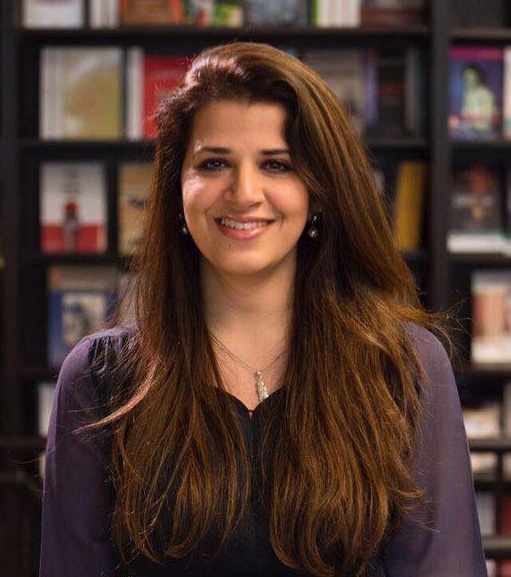
Buthaina Al-Issa Books PDF
(0)
Books number: 16
Explore all available books and works by Buthaina Al-Issa , including popular novels, complete collections, and translated titles. This page is regularly updated with new releases and featured works.
Buthaina Al-Essa is a leading Kuwaiti novelist, writer, publisher, and cultural figure whose work has become central to contemporary Arabic literature and to the growing international interest in Gulf fiction. Born in Kuwait in 1982, she developed a literary voice that combines emotional intensity, social awareness, narrative suspense, and a sharp concern with freedom, censorship, memory, motherhood, childhood, and the fragile relationship between language and power. Although her academic background is connected with business administration and finance at Kuwait University, her public career has been defined by literature, publishing, creative-writing education, and advocacy for a more open reading culture. Al-Essa’s fiction is often described as accessible and deeply layered at the same time: she can build a page-turning story, but beneath the plot she places questions about identity, trauma, silence, family structures, gender expectations, and the moral cost of social control. This ability has made her one of the most widely read Kuwaiti authors of her generation and an important name for readers searching for modern Arabic novels, Kuwaiti literature, Arab women writers, and literary fiction from the Gulf. Her novels include works such as “كبرت ونسيت أن أنسى,” translated into English as “All That I Want to Forget,” “خرائط التيه,” translated as “Lost in Mecca,” and “حارس سطح العالم,” translated as “The Book Censor’s Library,” along with other Arabic works including “عائشة تنزل إلى العالم السفلي,” “قيس وليلى والذئب,” “السندباد الأعمى,” and “دار خولة.” Across these books, Al-Essa frequently writes about characters who are trapped between the desire to speak and the fear of punishment, between inherited social rules and private pain, between the ordinary surfaces of daily life and the darker meanings hidden beneath them. Her style is marked by psychological precision, symbolic imagination, and a strong sense of rhythm; she often uses short, vivid scenes and emotionally charged images to create a reading experience that feels intimate while still addressing broad cultural questions. Beyond her novels, Buthaina Al-Essa is also known as the founder of Takween, a bookshop, publishing house, and cultural platform in Kuwait that has played a major role in supporting readers, writers, translators, and creative-writing communities. Through Takween and through her workshops on writing, she has helped shape a literary ecosystem rather than simply participating in it as an individual author. This combination of literary production and cultural institution-building is one reason her name carries weight not only among readers but also among publishers, translators, critics, and aspiring writers. Her international reputation expanded when her works appeared in English translation. “All That I Want to Forget” introduced English-language readers to her exploration of memory, womanhood, and family pressure; “Lost in Mecca” brought attention to her intense treatment of loss, pilgrimage, fear, and the vulnerability of childhood; and “The Book Censor’s Library” presented a dystopian meditation on censorship, reading, and the danger of reducing language to safe surfaces. “The Book Censor’s Library” won the Sharjah Award for Arab Creativity in the novel category in 2021 and became a finalist for the 2024 National Book Award for Translated Literature in the United States, further confirming Al-Essa’s position as a major contemporary Arab novelist. For website biographies, bookstore pages, literary catalogs, and SEO-friendly author profiles, Buthaina Al-Essa can be presented as a bestselling Kuwaiti author whose fiction combines social critique, emotional storytelling, and imaginative resistance to censorship. Her work appeals to readers interested in feminist Arabic literature, translated Arabic fiction, Gulf women writers, literary dystopia, psychological novels, and books that examine how societies control bodies, memories, and words.