geography
Sections number: 10
Books number: 245
Geography helps you understand the world around you. It's not limited to studying the Earth alone, but encompasses all its associated natural and human phenomena. Geography is a vast science that studies the Earth's shape, topography, climate, resources, population, distribution, and their relationship to the environment. Therefore, geography books provide you with comprehensive knowledge about the planet you live on and make you more aware of the natural, social, and economic changes happening around you.
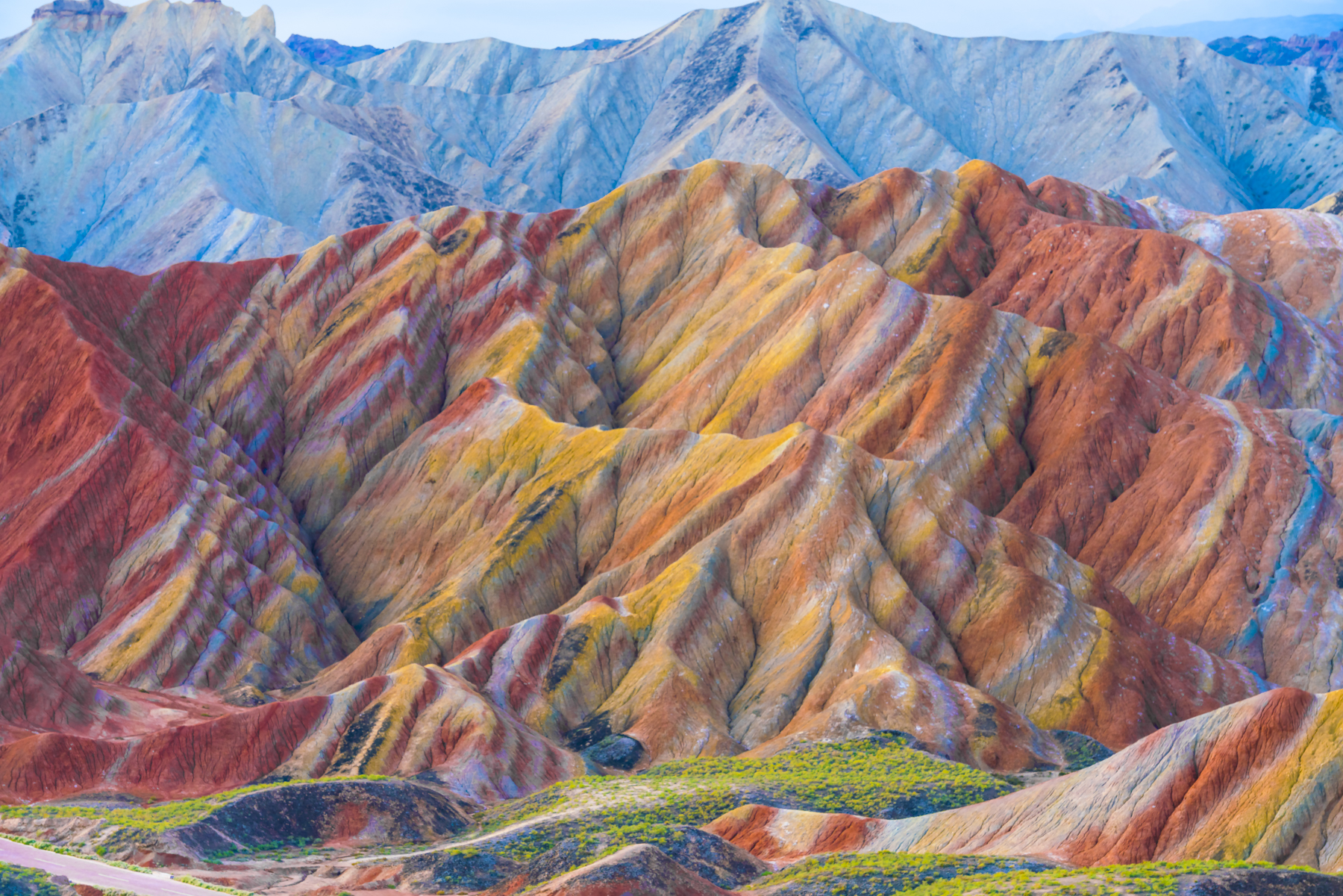
Geography covers numerous topics, including physical geography, which studies mountains, rivers, seas, oceans, deserts, climate, earthquakes, volcanoes, and other natural phenomena. Through this type of book, the reader can understand why climate varies from place to place, how topography is formed, why some natural disasters occur, and how the environment affects the lives of humans, animals, and plants.
Geography also encompasses human geography, which studies populations, their distribution, density, and various activities such as agriculture, industry, trade, and tourism. These books explain how people are influenced by their surrounding environment and how they, in turn, influence the environment through construction, resource use, and the development of cities, roads, and factories. Thus, human geography helps in understanding the relationships between people and places, and between different countries and societies.
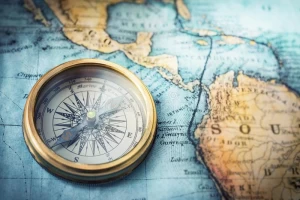
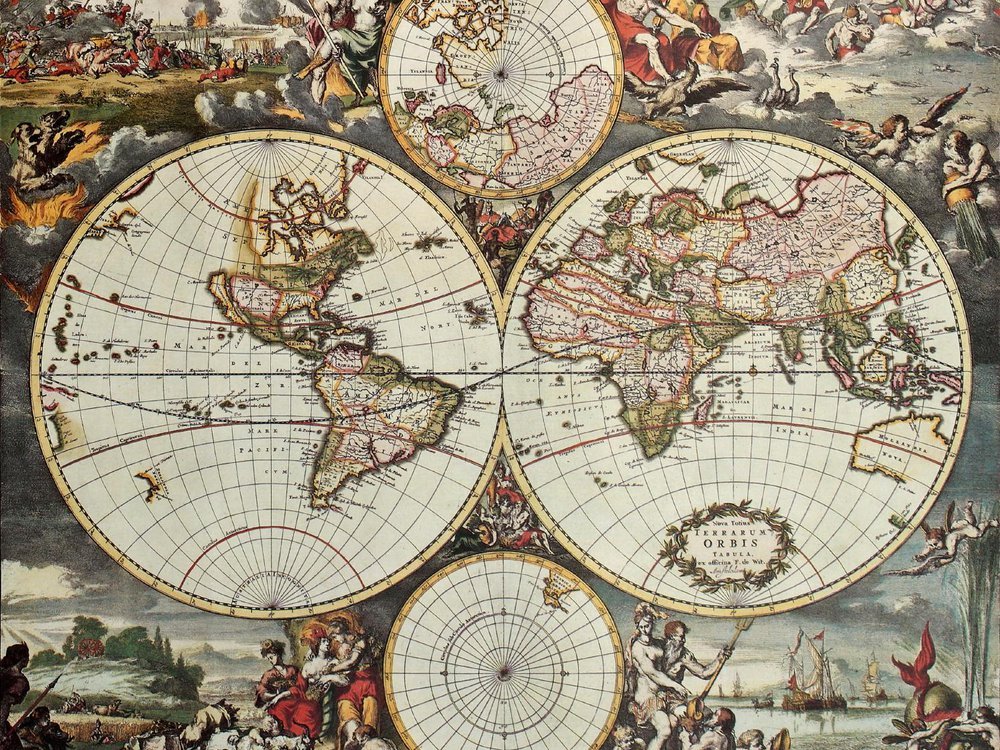
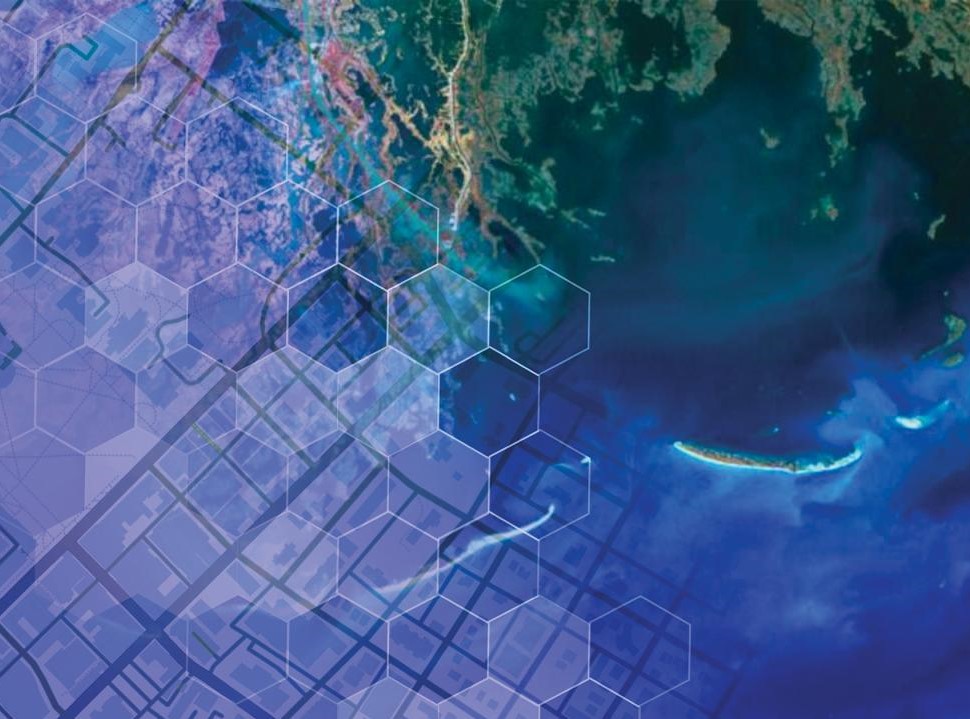
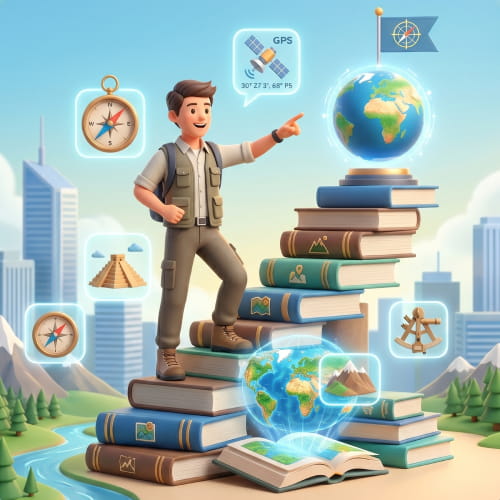
Another important field within geography is cartography, the science concerned with drawing, reading, and using maps. Maps help people locate places, understand national borders, determine road directions, and identify topographical features and climatic zones. With technological advancements, geography textbooks now also rely on satellite imagery, geographic information systems (GIS), and digital maps, making the study of geography more accurate and accessible.
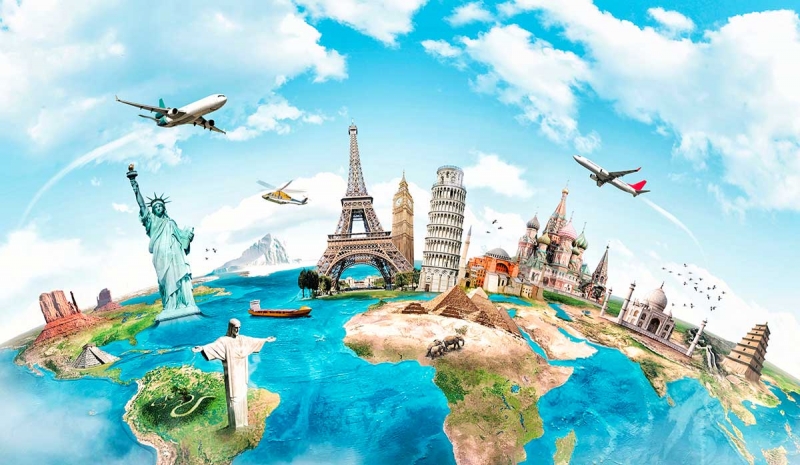
Geography is distinguished by its ability to bridge the gap between theoretical knowledge and everyday life. People need it when they want to travel, understand weather patterns, learn about the nature of a particular country, or study problems such as pollution, desertification, climate change, and water scarcity. Therefore, geography is not just a subject of study, but a science that helps in thinking, analysis, and understanding reality.