

The source of the book
This book is published for the public benefit under a Creative Commons license, or with the permission of the author or publisher. If you have any objections to its publication, please contact us.
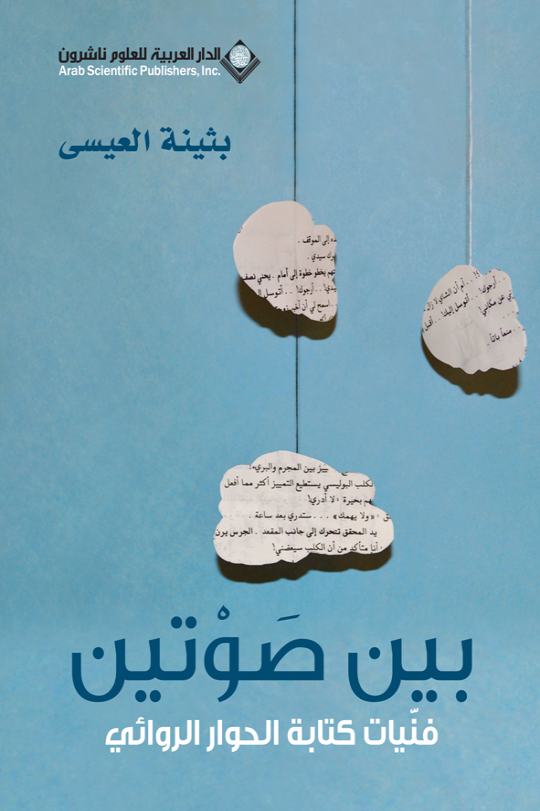
بين صوتين: فنيات كتابة الحوار الروائي PDF - Buthaina Al-Issa
Buthaina Al-Issa • literature • 63 Pages
(0)
Quate
Review
Save
Share
Book Description
كتاب «بين صوتين؛ فنّيات كتابة الحوار الروائي» للكاتبة الكويتية بثينة العيسى هو كتاب عربي في الكتابة الإبداعية، صدر عن الدار العربية للعلوم ناشرون، وتُدرجه بعض المكتبات بسنة نشر 2014، مع وجود قوائم أخرى تشير إلى طبعات أو صيغ لاحقة مثل 2015 ونسخة إلكترونية مؤرخة في 2017؛ لذلك تُعد سنة 2014 هي الأسبق ظهورًا في بيانات البيع المتاحةلا ينتمي هذا العمل إلى الرواية أو السرد التخييلي، بل هو كتاب مرجعي موجّه إلى الكتّاب والقرّاء المهتمين بفن كتابة الحوار الروائي، ويأتي ضمن اهتمام بثينة العيسى بتعليم الكتابة وتفكيك أدواتها بأسلوب قريب من الممارسة الأدبية لا من التنظير الجاف.
يتناول كتاب «بين صوتين» سؤالًا يبدو بسيطًا في ظاهره: كيف يكتب الروائي حوارًا جيدًا؟ لكنه سرعان ما يكشف أن الحوار في الرواية ليس مجرد تبادل كلام بين شخصيتين، ولا وسيلة لملء الصفحات أو شرح الأحداث للقارئ. الحوار، كما يقدّمه الكتاب، عنصر بنائي شديد الحساسية؛ يساهم في تشكيل الشخصية، وكشف دوافعها، وتحريك الحبكة، وتحديد إيقاع المشهد، وإظهار التوتر الخفي بين الأصوات المتقابلة داخل النص. ومن هنا تأتي أهمية العنوان نفسه: «بين صوتين»، لأنه يلمّح إلى المسافة الفنية التي تنشأ عندما يتجاور صوتان، لا ليقولا كلامًا فقط، بل ليصنعا معنى دراميًا.
يعرض الكتاب عددًا من القضايا الفنية المرتبطة بالحوار الروائي، مثل تمييز أصوات الشخصيات بعضها عن بعض، وتجنّب جعل الشخصيات كلها تتكلم بصوت المؤلف، والانتباه إلى وظيفة كل جملة حوارية داخل المشهد. فالحوار الناجح ليس كلامًا طبيعيًا تمامًا كما يحدث في الحياة اليومية، وليس كلامًا مصطنعًا يشرح كل شيء للقارئ؛ بل هو بناء فني ينتقي من الواقع ما يخدم النص، ويترك ما يثقل الإيقاع أو يضعف التوتر. ولهذا يركّز الكتاب على فكرة أن الحوار يجب أن يكون حيًا ومبررًا، وأن يكون لكل تبادل كلامي أثر في الشخصية أو الحدث أو الجو العام للرواية.
كما يهتم «بين صوتين؛ فنّيات كتابة الحوار الروائي» بمناقشة الأخطاء الشائعة في كتابة الحوار، ومنها الإفراط في الشرح، وتحوّل الحوار إلى محاضرة، أو استخدامه بطريقة مباشرة لكشف معلومات كان يمكن تمريرها عبر الفعل والوصف والسياق. ويشير مضمون الكتاب، كما تذكر عروض الكتب المتاحة، إلى أنه يستعرض آراء ونماذج عربية وعالمية تساعد الكاتب على فهم الحوار بوصفه أداة إبداعية لا تقنية معزولة. وهذا يجعله مناسبًا لمن يكتب روايته الأولى، وكذلك لمن يريد مراجعة نصه الروائي بعين أكثر وعيًا.
لا يقدّم الكتاب حبكة بالمعنى الروائي، لأنه ليس عملًا سرديًا، بل يقدّم محتوى إرشاديًا وتحليليًا. يبدأ من الأسئلة الأساسية حول ماهية الحوار، ثم ينتقل إلى وظائفه داخل الرواية، وعلاقته بالشخصيات والصراع والسرد. ومن خلال هذا المسار، يساعد القارئ على إدراك أن الحوار الجيد لا يُقاس بجمال العبارة وحدها، بل بقدرته على خدمة المشهد وإبراز الفروق النفسية والاجتماعية بين الشخصيات. فالشخصية المترددة لا تتكلم مثل الشخصية الواثقة، والشخصية الغاضبة لا تصوغ جملها بالطريقة نفسها التي تتكلم بها شخصية متصالحة أو مراوغة.
تتميّز بثينة العيسى في هذا الكتاب بلغة واضحة تميل إلى التطبيق أكثر من التجريد، وهو ما يجعل «بين صوتين» قريبًا من ورشة كتابة مصغّرة. فالكتاب لا يكتفي بالحديث عن أهمية الحوار، بل يوجّه الانتباه إلى كيفية الإصغاء إلى الشخصية قبل إنطاقها، وكيفية حذف الزائد، وكيفية ترك المسكوت عنه يعمل داخل المشهد. وبذلك يصبح الكتاب مفيدًا لكل من يبحث عن كتاب عربي في فن الحوار الروائي، أو دليل مبسط لتطوير مهارات الكتابة السردية، أو مدخل عملي لفهم العلاقة بين الصوت والشخصية والبناء الروائي.
في النهاية، يمكن النظر إلى «بين صوتين؛ فنّيات كتابة الحوار الروائي» باعتباره كتابًا تعليميًا مركزًا في أحد أكثر عناصر الرواية صعوبة. فهو لا يعد القارئ بوصفة جاهزة لكتابة حوار مثالي، بل يفتح أمامه باب الملاحظة والتدريب والإنصات. ومن خلال خبرة بثينة العيسى ككاتبة، يتحول الحوار من تقنية شكلية إلى مساحة حية تكشف الشخصيات وتدفع الرواية إلى الأمام.
Buthaina Al-Issa
Buthaina Al-Essa is a leading Kuwaiti novelist, writer, publisher, and cultural figure whose work has become central to contemporary Arabic literature and to the growing international interest in Gulf fiction. Born in Kuwait in 1982, she developed a literary voice that combines emotional intensity, social awareness, narrative suspense, and a sharp concern with freedom, censorship, memory, motherhood, childhood, and the fragile relationship between language and power. Although her academic background is connected with business administration and finance at Kuwait University, her public career has been defined by literature, publishing, creative-writing education, and advocacy for a more open reading culture. Al-Essa’s fiction is often described as accessible and deeply layered at the same time: she can build a page-turning story, but beneath the plot she places questions about identity, trauma, silence, family structures, gender expectations, and the moral cost of social control. This ability has made her one of the most widely read Kuwaiti authors of her generation and an important name for readers searching for modern Arabic novels, Kuwaiti literature, Arab women writers, and literary fiction from the Gulf. Her novels include works such as “كبرت ونسيت أن أنسى,” translated into English as “All That I Want to Forget,” “خرائط التيه,” translated as “Lost in Mecca,” and “حارس سطح العالم,” translated as “The Book Censor’s Library,” along with other Arabic works including “عائشة تنزل إلى العالم السفلي,” “قيس وليلى والذئب,” “السندباد الأعمى,” and “دار خولة.” Across these books, Al-Essa frequently writes about characters who are trapped between the desire to speak and the fear of punishment, between inherited social rules and private pain, between the ordinary surfaces of daily life and the darker meanings hidden beneath them. Her style is marked by psychological precision, symbolic imagination, and a strong sense of rhythm; she often uses short, vivid scenes and emotionally charged images to create a reading experience that feels intimate while still addressing broad cultural questions. Beyond her novels, Buthaina Al-Essa is also known as the founder of Takween, a bookshop, publishing house, and cultural platform in Kuwait that has played a major role in supporting readers, writers, translators, and creative-writing communities. Through Takween and through her workshops on writing, she has helped shape a literary ecosystem rather than simply participating in it as an individual author. This combination of literary production and cultural institution-building is one reason her name carries weight not only among readers but also among publishers, translators, critics, and aspiring writers. Her international reputation expanded when her works appeared in English translation. “All That I Want to Forget” introduced English-language readers to her exploration of memory, womanhood, and family pressure; “Lost in Mecca” brought attention to her intense treatment of loss, pilgrimage, fear, and the vulnerability of childhood; and “The Book Censor’s Library” presented a dystopian meditation on censorship, reading, and the danger of reducing language to safe surfaces. “The Book Censor’s Library” won the Sharjah Award for Arab Creativity in the novel category in 2021 and became a finalist for the 2024 National Book Award for Translated Literature in the United States, further confirming Al-Essa’s position as a major contemporary Arab novelist. For website biographies, bookstore pages, literary catalogs, and SEO-friendly author profiles, Buthaina Al-Essa can be presented as a bestselling Kuwaiti author whose fiction combines social critique, emotional storytelling, and imaginative resistance to censorship. Her work appeals to readers interested in feminist Arabic literature, translated Arabic fiction, Gulf women writers, literary dystopia, psychological novels, and books that examine how societies control bodies, memories, and words.
Earn Rewards While Reading!
Every 10 pages you read and spent 30 seconds on every page, earns you 5 reward points! Keep reading to unlock achievements and exclusive benefits.
Read
Rate Now
5 Stars
4 Stars
3 Stars
2 Stars
1 Stars
بين صوتين: فنيات كتابة الحوار الروائي Quotes
Top Rated
Latest
Quate
Be the first to leave a quote and earn 10 points
instead of 3
'%20/%3e%3c/svg%3e "عائشة تنزل الى العالم السفلي")
Comments
Be the first to leave a comment and earn 5 points
instead of 3