

The source of the book
This book is published for the public benefit under a Creative Commons license, or with the permission of the author or publisher. If you have any objections to its publication, please contact us.
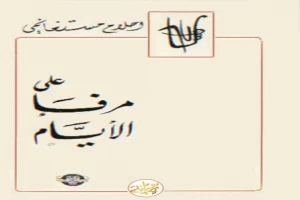
على مرفأ الأيام PDF - Ahlam Mosteghanemi
Ahlam Mosteghanemi • Novel and poetry collections • 20 Pages
(0)
Author
Ahlam MosteghanemiCategory
literatureSection
Number Of Downloads
72
Number Of Reads
225
File Size
0.28 MB
Views
1,782
Quate
Review
Save
Share
Book Description
يُعد كتاب «على مرفأ الأيام» للكاتبة الجزائرية أحلام مستغانمي من الأعمال الأولى التي كشفت ملامح صوتها الأدبي قبل شهرتها الروائية الواسعة. والكتاب ليس رواية ذات حبكة وشخصيات، بل ديوان شعري عربي مبكر، نُشر في مطلع السبعينيات. وتُدرج بعض المصادر الديوان على أنه صدر عام 1973 عن دار الآداب، بينما تذكر نسخة مصورة قديمة أنه صدر سنة 1972 عن الشركة الوطنية للنشر والتوزيع؛ لذلك يُفضَّل التعامل مع تاريخ نشره بوصفه عملًا صادرًا في بداية السبعينيات، مع الإشارة إلى اختلاف بيانات النشر بين المصادر. كما يذكر الموقع الرسمي لأحلام مستغانمي أن «على مرفأ الأيام» كان من عملين شعريين أصدرتهما في السبعينيات، إلى جانب «الكتابة في لحظة عري» عن دار الآداب.
يحتل «على مرفأ الأيام» مكانة خاصة في مسيرة أحلام مستغانمي، لأنه يسبق رواياتها المعروفة مثل «ذاكرة الجسد» و«فوضى الحواس» و«عابر سرير»، ويظهر فيه انشغالها المبكر باللغة العربية، والذاكرة، والحنين، والوطن، والمرأة، والذات القلقة. في هذا الديوان لا تقدّم مستغانمي سردًا روائيًا متتابعًا، بل تبني عالمًا شعريًا يقوم على التأمل والبوح والانفعال. العنوان نفسه يوحي بصورة رمزية: الأيام تشبه بحرًا، والإنسان يقف على مرفأ ينتظر، يتذكر، يودّع، أو يستقبل ما سيأتي. ومن خلال هذه الصورة تتكرر في الديوان نبرة الانتظار والرحيل، وكأن الشاعرة تكتب من منطقة فاصلة بين الماضي والمستقبل.
محتوى كتاب «على مرفأ الأيام» يدور حول تجربة وجدانية شابة، لكنها ليست تجربة عاطفية ضيقة فحسب. القصائد تتعامل مع الحب بوصفه مرآة للذات، ومع الفقد بوصفه سؤالًا عن المعنى، ومع الوطن بوصفه ذاكرة شخصية وجماعية. تظهر أحلام مستغانمي في هذا العمل وهي تبحث عن لغتها الخاصة، لغة تجمع بين الرهافة والاحتجاج، وبين الحسّ الأنثوي والوعي الوطني. وهذا مهم عند قراءة الديوان، لأنه كُتب في سياق جزائري قريب من مرحلة ما بعد الاستقلال، حيث كانت اللغة العربية نفسها جزءًا من استعادة الهوية الثقافية بعد عقود من الاستعمار.
لا توجد في «على مرفأ الأيام» حبكة يمكن تلخيصها كما تُلخَّص الروايات، لكن يمكن تلخيص مساره الشعري بأنه رحلة داخلية عبر مشاعر متداخلة: شوق، وحدة، أمل، انكسار، تمرد، ورغبة في أن يكون للكلمة دور في مقاومة الصمت. القصائد تبدو أحيانًا كرسائل غير مرسلة، وأحيانًا كمناجاة للزمن، وأحيانًا كوقوف أمام ذاكرة شخصية لا تنفصل عن ذاكرة البلد. لذلك فإن قراءة الكتاب تمنح القارئ صورة عن البدايات الفنية لأحلام مستغانمي، وعن البذور التي ستتطور لاحقًا في أعمالها السردية، خصوصًا اهتمامها بالعلاقة بين الحب والتاريخ واللغة.
أسلوب الديوان يعتمد على الصورة الشعرية المباشرة نسبيًا، وعلى الجمل المشحونة بالعاطفة، مع حضور واضح للضمير المتكلم. ولا يسعى الكتاب إلى التعقيد البنائي بقدر ما يراهن على حرارة التجربة وصدق النبرة. لهذا يمكن اعتباره وثيقة أدبية مبكرة تكشف كيف بدأت أحلام مستغانمي في تحويل التجربة الخاصة إلى خطاب شعري عربي يحمل قلق جيل كامل. ومن يبحث عن كتاب «على مرفأ الأيام» لأحلام مستغانمي سيجد عملًا قصيرًا في حجمه، لكنه مهم لفهم بدايات الكاتبة ومسارها من الشعر إلى الرواية، ومن البوح الفردي إلى كتابة الذاكرة العربية الحديثة.
Ahlam Mosteghanemi
Ahlam Mosteghanemi is an Algerian novelist, poet, and literary figure whose work occupies a distinguished place in modern Arabic literature, especially for readers interested in Arabic fiction, women’s writing, memory, exile, love, and the history of postcolonial Algeria. Born in Tunis during a period marked by the Algerian struggle for independence, she grew up within a family and national atmosphere shaped by displacement, political commitment, and the dream of return. This background became a powerful emotional and intellectual foundation for her writing, giving her novels a rare ability to connect private passion with collective history. She is widely known for writing in Arabic with an intense poetic style, and her name is strongly associated with the renewal of the Arabic novel through language that is lyrical, symbolic, and emotionally charged. Her breakthrough novel, Memory in the Flesh, established her as one of the most important Arabic-language novelists of her generation. The novel turns the body into a metaphor for the wounded homeland and transforms a love story into a meditation on revolution, loss, memory, and betrayal. Through this work and the novels that followed, including Chaos of the Senses, Bed Hopper, and Black Suits You So Well, Mosteghanemi developed a literary universe where love is never merely personal; it is tied to nation, language, history, dignity, and the burdens of memory. Her fiction is often read for its romantic intensity, yet its deeper strength lies in the way it examines the contradictions of the Arab world: the tension between idealism and disappointment, belonging and exile, desire and restraint, liberation and disillusionment. Ahlam Mosteghanemi’s prose is instantly recognizable because it gives each sentence a musical and aphoristic quality, often making her writing memorable beyond the boundaries of the novel itself. She has reached a broad readership while maintaining a serious literary identity, a combination that has made her one of the most widely read Arab authors and a frequent point of reference in discussions of contemporary Arabic literature. Her importance also lies in the way she placed the female voice at the center of historical narration. In her work, women are not passive figures placed inside national history; they are active witnesses, thinkers, lovers, and narrators who question inherited ideas about identity, loyalty, and freedom. This makes her writing particularly significant for readers exploring Arab women’s literature and feminist perspectives in Arabic fiction. At the same time, Mosteghanemi’s novels resist simple classification. They are political without being conventional political novels, romantic without being limited to romance, and poetic without abandoning narrative structure. Her use of Algeria as both a real country and a symbolic landscape gives her books a layered quality: the city, the body, the memory, and the beloved often mirror one another. This ability to merge personal emotion with national trauma explains the lasting influence of her work. She has also written essays and reflective texts that extend her interest in love, forgetting, language, and emotional survival, including works connected to the theme of forgetting and the art of detachment. For book websites, author pages, and literary catalogs, Ahlam Mosteghanemi can be described as a writer who transformed the Arabic novel into a space where history speaks through passion and where memory becomes both a wound and a form of resistance. Her legacy is not only in the popularity of her books, but also in the distinctive voice she created: elegant, intense, wounded, proud, and deeply attached to the Arabic language as a home for identity and beauty.
Earn Rewards While Reading!
Every 10 pages you read and spent 30 seconds on every page, earns you 5 reward points! Keep reading to unlock achievements and exclusive benefits.
Read
Rate Now
5 Stars
4 Stars
3 Stars
2 Stars
1 Stars
على مرفأ الأيام Quotes
Top Rated
Latest
Quate
Be the first to leave a quote and earn 10 points
instead of 3
'%20/%3e%3c/svg%3e "أكاذيب سمكة")
Comments
Be the first to leave a comment and earn 5 points
instead of 3