

The source of the book
This book is published for the public benefit under a Creative Commons license, or with the permission of the author or publisher. If you have any objections to its publication, please contact us.
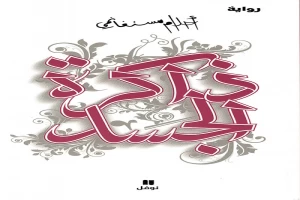
ذاكرة الجسد PDF - Ahlam Mosteghanemi
Ahlam Mosteghanemi • romantic novels • 406 Pages
(0)
Author
Ahlam MosteghanemiCategory
literatureSection
Number Of Downloads
69
Number Of Reads
466
File Size
5.60 MB
Views
3,219
Quate
Review
Save
Share
Book Description
تُعد رواية «ذاكرة الجسد» للكاتبة الجزائرية أحلام مستغانمي من أبرز الروايات العربية الحديثة التي ربطت بين الحب والذاكرة والوطن. صدرت الرواية عام 1993 في بيروت عن دار الآداب، وهي مكتوبة باللغة العربية، وتُعرف أيضًا بترجمتها الإنجليزية بعنوان «Memory in the Flesh». تنتمي الرواية إلى الأدب الجزائري المعاصر، وتستعيد من خلال سيرة فردية جراح الثورة الجزائرية وما تلاها من خيبات سياسية واجتماعية. وقد حازت الرواية جائزة نجيب محفوظ للأدب عام 1998، بحسب ما تذكره مراجع متعددة عن العمل.
تدور رواية «ذاكرة الجسد» حول خالد بن طوبال، وهو مناضل جزائري سابق شارك في الثورة ضد الاستعمار الفرنسي، ثم فقد ذراعه اليسرى أثناء الحرب. بعد هذه الإصابة، ينتقل خالد من جسد المقاتل إلى جسد الفنان، فيغدو رسامًا يحمل ذاكرته على لوحاته، ويحوّل الألم إلى لغة بصرية. بهذا المعنى، لا يكون الجسد في الرواية مجرد تفصيل شخصي، بل يصبح أرشيفًا حيًا للثورة، والفقد، والحب، والمنفى.
تبدأ الحكاية من علاقة خالد بمدينة قسنطينة، المدينة الجسرية التي تبدو في الرواية أكثر من مكان جغرافي؛ فهي رمز للطفولة والوطن والحنين. يحمل خالد صورة قسنطينة معه أينما ذهب، كما يحمل آثار الحرب على جسده. ومن خلال الاسترجاع الزمني، يعود السرد إلى سنوات الثورة، حين كان خالد قريبًا من المناضل سي الطاهر، أحد رموز الكفاح، والذي يصبح لاحقًا رابطًا أساسيًا بين الماضي والحاضر. فقد كانت حياة، بطلة الرواية، ابنة سي الطاهر، أي ابنة الذاكرة الثورية نفسها.
يلتقي خالد بحياة بعد سنوات من الاستقلال، فيجد فيها صورة متداخلة من المرأة والوطن والمدينة. هي ليست مجرد حبيبة في نظره، بل امتداد لقسنطينة التي فقدها، ولثورة كان يظن أنها ستصنع مستقبلًا أكثر نقاءً. يقع في حبها رغم فارق العمر والمسافة النفسية بينهما، ورغم أن علاقته بها مشحونة بالرموز أكثر من كونها علاقة عاطفية بسيطة. حياة، أو أحلام كما تظهر في بعض القراءات، تمثل جيلًا جديدًا تربطه بالثورة صلة وراثية لا تجربة مباشرة، بينما يمثل خالد جيلًا دفع من جسده ثمن تلك الثورة.
تتعقد الأحداث مع حضور شخصيات أخرى، من بينها زياد، ومع اتساع الفجوة بين ما حلم به جيل الثورة وما صار إليه الواقع بعد الاستقلال. يشعر خالد أن الجزائر التي قاتل من أجلها لم تعد تشبه أحلامه الأولى، وأن الذاكرة الوطنية تعرضت للتشويه أو النسيان. لذلك تمتزج قصة الحب في الرواية بخيبة سياسية عميقة؛ ففشل خالد في الوصول إلى حياة يوازي فشله في استعادة وطن مثالي كان يسكن ذاكرته.
تصل الرواية إلى منعطف مؤلم عندما تتخذ حياة مسارًا بعيدًا عن حلم خالد، خاصة مع زواجها الذي يكشف حدود الرغبة الفردية أمام حسابات المجتمع والسلطة والعائلة. لا تقدم أحلام مستغانمي نهاية رومانسية تقليدية، بل تجعل الحب مساحة لاختبار الخسارة. فخالد لا يخسر امرأة فقط، بل يخسر وهمًا كاملًا: وهم استعادة الماضي، ووهم امتلاك المدينة، ووهم أن الجسد الذي ضحى من أجل الوطن سيُكافأ بالمعنى أو الوفاء.
تتميز «ذاكرة الجسد» بأسلوب شعري كثيف، حيث تتداخل اللغة العاطفية مع التأمل السياسي والوجداني. تعتمد أحلام مستغانمي على صوت خالد السارد لتقديم رواية داخلية مليئة بالحنين والأسئلة، فيصبح السرد أقرب إلى اعتراف طويل عن الحب والهزيمة والاغتراب. الرواية ليست مجرد قصة غرام بين خالد وحياة، بل قراءة في ذاكرة الجزائر الحديثة، وفي التحول من زمن الثورة إلى زمن ما بعد الاستقلال. ومن هنا تأتي أهميتها في الأدب العربي؛ فهي تجعل من الجسد المصاب، والمدينة المفقودة، والحب المستحيل، عناصر متشابكة في رواية واحدة عن الإنسان حين يحاول أن يتذكر ما لا يستطيع استعادته.
Ahlam Mosteghanemi
Ahlam Mosteghanemi is an Algerian novelist, poet, and literary figure whose work occupies a distinguished place in modern Arabic literature, especially for readers interested in Arabic fiction, women’s writing, memory, exile, love, and the history of postcolonial Algeria. Born in Tunis during a period marked by the Algerian struggle for independence, she grew up within a family and national atmosphere shaped by displacement, political commitment, and the dream of return. This background became a powerful emotional and intellectual foundation for her writing, giving her novels a rare ability to connect private passion with collective history. She is widely known for writing in Arabic with an intense poetic style, and her name is strongly associated with the renewal of the Arabic novel through language that is lyrical, symbolic, and emotionally charged. Her breakthrough novel, Memory in the Flesh, established her as one of the most important Arabic-language novelists of her generation. The novel turns the body into a metaphor for the wounded homeland and transforms a love story into a meditation on revolution, loss, memory, and betrayal. Through this work and the novels that followed, including Chaos of the Senses, Bed Hopper, and Black Suits You So Well, Mosteghanemi developed a literary universe where love is never merely personal; it is tied to nation, language, history, dignity, and the burdens of memory. Her fiction is often read for its romantic intensity, yet its deeper strength lies in the way it examines the contradictions of the Arab world: the tension between idealism and disappointment, belonging and exile, desire and restraint, liberation and disillusionment. Ahlam Mosteghanemi’s prose is instantly recognizable because it gives each sentence a musical and aphoristic quality, often making her writing memorable beyond the boundaries of the novel itself. She has reached a broad readership while maintaining a serious literary identity, a combination that has made her one of the most widely read Arab authors and a frequent point of reference in discussions of contemporary Arabic literature. Her importance also lies in the way she placed the female voice at the center of historical narration. In her work, women are not passive figures placed inside national history; they are active witnesses, thinkers, lovers, and narrators who question inherited ideas about identity, loyalty, and freedom. This makes her writing particularly significant for readers exploring Arab women’s literature and feminist perspectives in Arabic fiction. At the same time, Mosteghanemi’s novels resist simple classification. They are political without being conventional political novels, romantic without being limited to romance, and poetic without abandoning narrative structure. Her use of Algeria as both a real country and a symbolic landscape gives her books a layered quality: the city, the body, the memory, and the beloved often mirror one another. This ability to merge personal emotion with national trauma explains the lasting influence of her work. She has also written essays and reflective texts that extend her interest in love, forgetting, language, and emotional survival, including works connected to the theme of forgetting and the art of detachment. For book websites, author pages, and literary catalogs, Ahlam Mosteghanemi can be described as a writer who transformed the Arabic novel into a space where history speaks through passion and where memory becomes both a wound and a form of resistance. Her legacy is not only in the popularity of her books, but also in the distinctive voice she created: elegant, intense, wounded, proud, and deeply attached to the Arabic language as a home for identity and beauty.
Earn Rewards While Reading!
Every 10 pages you read and spent 30 seconds on every page, earns you 5 reward points! Keep reading to unlock achievements and exclusive benefits.
Read
Rate Now
5 Stars
4 Stars
3 Stars
2 Stars
1 Stars
ذاكرة الجسد Quotes
Top Rated
Latest
Quate
Be the first to leave a quote and earn 10 points
instead of 3
'%20/%3e%3c/svg%3e "أكاذيب سمكة")
Comments
Be the first to leave a comment and earn 5 points
instead of 3