

The source of the book
This book is published for the public benefit under a Creative Commons license, or with the permission of the author or publisher. If you have any objections to its publication, please contact us.
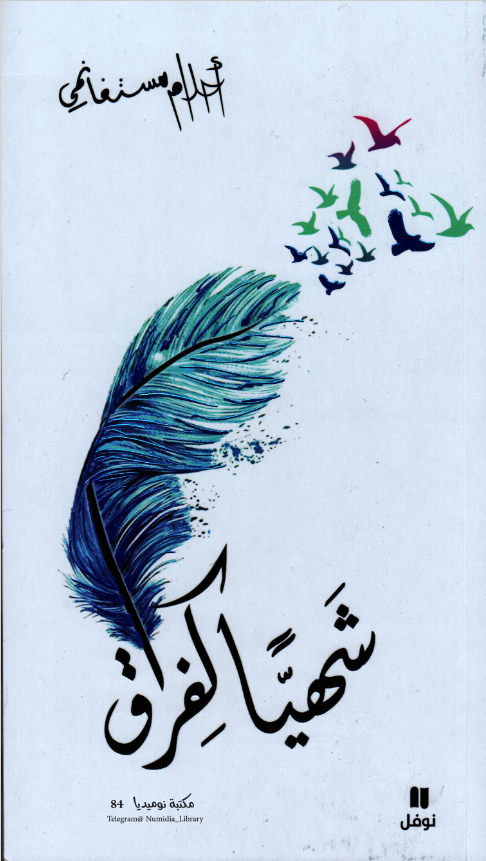
شهياً كفراق PDF - Ahlam Mosteghanemi
Ahlam Mosteghanemi • Drama novels • 258 Pages
(0)
Author
Ahlam MosteghanemiCategory
literatureSection
Number Of Downloads
41
Number Of Reads
221
File Size
4.40 MB
Views
1,566
Quate
Review
Save
Share
Book Description
رواية/كتاب «شهياً كفراق» للكاتبة الجزائرية أحلام مستغانمي صدر عام 2018 عن نوفل/هاشيت أنطوان، وتذكر بعض بيانات البيع العربية الناشر بصيغة «مكتبة أنطوان» أو «هاشيت أنطوان/نوفل» بحسب المنصة، مع عدد صفحات يقارب 251 إلى 256 صفحة. ويأتي هذا العمل ضمن منطقة فنية قريبة من السرد الوجداني والتأملات الأدبية، لا كرواية تقليدية خالصة ذات حبكة خطية فقط، بل كنص يمزج بين الحكاية، الرسائل، الاعترافات، وتأملات الكاتبة في الحب والفراق والكتابة وعلاقتها بقرائها.
في «شهياً كفراق»، تواصل أحلام مستغانمي الاشتغال على موضوعاتها الأثيرة: الحب حين يتحول إلى امتحان للكرامة، الذاكرة حين تصبح عبئًا جميلًا، والفراق حين لا يكون نهاية عابرة بل طريقة جديدة لفهم الذات. تنطلق الحكاية من رجل غامض أنهكه الفراق حتى فقد ثقته في الحب، ثم يقترب من كاتبة هي بطلة النص، ويخاطبها بعبارات تبدو مألوفة لها لأنها تشبه كلماتها هي، بل تستعيد جملًا سبق أن ارتبطت بعالمها الأدبي وبكتابها «نسيان كوم». (ومن هنا يتشكل السؤال المركزي في الكتاب: من هذا الرجل؟ ولماذا يطارد الكاتبة بلغتها؟ وهل هو عاشق، قارئ، ظل من الماضي، أم مرآة تكشف للكاتبة شيئًا من علاقتها المعقدة بما تكتبه؟
لا تعتمد أحلام مستغانمي في هذا العمل على الأحداث الكثيفة بقدر ما تراهن على التوتر النفسي واللغوي. فالرجل الغامض ليس مجرد شخصية عاطفية، بل مدخل إلى مساءلة الحب بعد الخيبة، وإلى اختبار قدرة الكلمات على إنقاذ أصحابها أو إرباكهم. تتقاطع قصته مع صورة الكاتبة التي تجد نفسها أمام قارئ أو رجل يستعمل مفرداتها كي يقترب منها، وكأن اللغة التي صنعت بها عوالمها تعود إليها في هيئة قدر شخصي. بذلك يصبح الفراق في الكتاب ليس فقدانًا لشخص فقط، بل فقدانًا للثقة، وللوهم، وللطمأنينة التي كان الحب يعد بها.
ملخص «شهياً كفراق» يدور حول علاقة ملتبسة بين كاتبة ورجل موجوع من تجربة عاطفية سابقة. هذا الرجل يحمل جرحه كما يحمل لغته، ويتقرب من البطلة عبر رسائل وكلمات تستفز ذاكرتها الأدبية والشخصية. ومع تقدّم النص، لا يكون المطلوب فقط كشف هوية الرجل، بل فهم ما يمثله: هل هو ضحية حب لم يكتمل، أم قارئ اختلطت عليه الحدود بين النص والحياة، أم احتمال جديد يعيد للبطلة أسئلة قديمة عن العشق والكتابة؟ في الخلفية، تظهر كاميليا، ملهمة «نسيان كوم»، كإشارة إلى امتداد عالم مستغانمي الأدبي وتداخله، لا بوصفها محورًا كاملًا للحبكة، بل كجزء من ذاكرة نصية تستعيدها الكاتبة لتبني عليها لعبة المرايا بين الواقع والخيال.
إلى جانب الخط العاطفي، يحتوي الكتاب على صفحات من ذكريات أحلام مستغانمي بوصفها كاتبة وإنسانة، وفيها إشارات إلى شخصيات ثقافية وأدبية عاصرتها مثل نزار قباني وغازي القصيبي، إضافة إلى لمحات عائلية وخاصة تُروى للقارئ في سياق حميم. هذه المقاطع تمنح «شهياً كفراق» طابعًا مزدوجًا: فهو من جهة نص عن رجل وامرأة وكلمات تأتي من ماضٍ عاطفي مثقل، ومن جهة أخرى كتاب عن صاحبة الكتاب نفسها، عن علاقتها بالشهرة، والقراء، ووسائل التواصل، وعن المسافة الصعبة بين الكاتب وصورته العامة.
تتميز لغة أحلام مستغانمي هنا بالكثافة الشعرية والعبارات الوجدانية التي جعلت أعمالها قريبة من جمهور واسع. غير أن جمال النص لا يقوم فقط على الجمل الرنانة، بل على الفكرة التي تحركه: أن الفراق قد يكون موجعًا، لكنه قد يكون أيضًا شهيًا بمعنى أنه يكشف حقيقة المشاعر ويعيد ترتيب الإنسان من الداخل. لذلك يصلح «شهياً كفراق» للقراء المهتمين بالأدب العربي المعاصر، وبالكتابة التي تمزج بين الرواية والسيرة والتأمل، وبالأعمال التي ترى في الحب مادة لفهم الهشاشة الإنسانية لا مجرد قصة رومانسية عابرة.
Ahlam Mosteghanemi
Ahlam Mosteghanemi is an Algerian novelist, poet, and literary figure whose work occupies a distinguished place in modern Arabic literature, especially for readers interested in Arabic fiction, women’s writing, memory, exile, love, and the history of postcolonial Algeria. Born in Tunis during a period marked by the Algerian struggle for independence, she grew up within a family and national atmosphere shaped by displacement, political commitment, and the dream of return. This background became a powerful emotional and intellectual foundation for her writing, giving her novels a rare ability to connect private passion with collective history. She is widely known for writing in Arabic with an intense poetic style, and her name is strongly associated with the renewal of the Arabic novel through language that is lyrical, symbolic, and emotionally charged. Her breakthrough novel, Memory in the Flesh, established her as one of the most important Arabic-language novelists of her generation. The novel turns the body into a metaphor for the wounded homeland and transforms a love story into a meditation on revolution, loss, memory, and betrayal. Through this work and the novels that followed, including Chaos of the Senses, Bed Hopper, and Black Suits You So Well, Mosteghanemi developed a literary universe where love is never merely personal; it is tied to nation, language, history, dignity, and the burdens of memory. Her fiction is often read for its romantic intensity, yet its deeper strength lies in the way it examines the contradictions of the Arab world: the tension between idealism and disappointment, belonging and exile, desire and restraint, liberation and disillusionment. Ahlam Mosteghanemi’s prose is instantly recognizable because it gives each sentence a musical and aphoristic quality, often making her writing memorable beyond the boundaries of the novel itself. She has reached a broad readership while maintaining a serious literary identity, a combination that has made her one of the most widely read Arab authors and a frequent point of reference in discussions of contemporary Arabic literature. Her importance also lies in the way she placed the female voice at the center of historical narration. In her work, women are not passive figures placed inside national history; they are active witnesses, thinkers, lovers, and narrators who question inherited ideas about identity, loyalty, and freedom. This makes her writing particularly significant for readers exploring Arab women’s literature and feminist perspectives in Arabic fiction. At the same time, Mosteghanemi’s novels resist simple classification. They are political without being conventional political novels, romantic without being limited to romance, and poetic without abandoning narrative structure. Her use of Algeria as both a real country and a symbolic landscape gives her books a layered quality: the city, the body, the memory, and the beloved often mirror one another. This ability to merge personal emotion with national trauma explains the lasting influence of her work. She has also written essays and reflective texts that extend her interest in love, forgetting, language, and emotional survival, including works connected to the theme of forgetting and the art of detachment. For book websites, author pages, and literary catalogs, Ahlam Mosteghanemi can be described as a writer who transformed the Arabic novel into a space where history speaks through passion and where memory becomes both a wound and a form of resistance. Her legacy is not only in the popularity of her books, but also in the distinctive voice she created: elegant, intense, wounded, proud, and deeply attached to the Arabic language as a home for identity and beauty.
Earn Rewards While Reading!
Every 10 pages you read and spent 30 seconds on every page, earns you 5 reward points! Keep reading to unlock achievements and exclusive benefits.
Read
Rate Now
5 Stars
4 Stars
3 Stars
2 Stars
1 Stars
شهياً كفراق Quotes
Top Rated
Latest
Quate
Be the first to leave a quote and earn 10 points
instead of 3
'%20/%3e%3c/svg%3e "أكاذيب سمكة")
Comments
Be the first to leave a comment and earn 5 points
instead of 3