

The source of the book
This book is published for the public benefit under a Creative Commons license, or with the permission of the author or publisher. If you have any objections to its publication, please contact us.
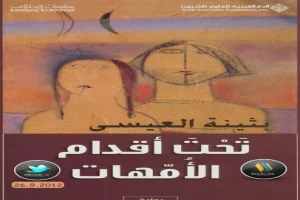
تحت أقدام الأمهات PDF - Buthaina Al-Issa
Buthaina Al-Issa • Literary novels • 280 Pages
(0)
Author
Buthaina Al-IssaCategory
literatureSection
Number Of Downloads
45
Number Of Reads
145
File Size
3.18 MB
Views
1,154
Quate
Review
Save
Share
Book Description
رواية «تحت أقدام الأمهات» للكاتبة الكويتية بثينة العيسى عمل روائي اجتماعي صدر عام 2009، وتذكر بيانات الفهرسة أن تاريخ نشره هو 2 نوفمبر 2009، عن الدار العربية للعلوم ناشرون ومنشورات الاختلاف، كما تُدرج بعض الفهارس عدد صفحاته في حدود 278 صفحة. تنتمي الرواية إلى الأدب العربي المعاصر، وتشتغل على العائلة بوصفها مساحة للحب والخوف والسلطة والذاكرة، لا بوصفها مكانًا آمنًا دائمًا. ومن خلال عنوانها اللافت، تحاور بثينة العيسى العبارة المتداولة عن مكانة الأمهات، لكنها لا تكتفي بصورة الأم الحانية، بل تذهب إلى منطقة أكثر تعقيدًا، حيث يمكن للأمومة والجدات والنساء الأكبر سنًا أن يكنّ مصدر حماية، أو مصدر قهر، أو الاثنين معًا.
تدور رواية «تحت أقدام الأمهات» حول بيت عائلي تحكمه علاقات متشابكة، وتبرز فيه الجدة «غيضة» بوصفها شخصية مركزية ذات حضور قوي. يضم البيت بناتها نورة وهيلة، وزوجة ابنها شهلة، وتبدو الحياة في بدايتها مستقرة داخل إطار عائلي تقليدي، لكن هذا الاستقرار يتصدع بعد وفاة الابن علي في ظروف مرتبطة بمعركة مع جماعة إرهابية، فتتحول الفاجعة إلى نقطة انطلاق لصراع جديد داخل البيت. لا تقف الرواية عند الموت باعتباره حدثًا حزينًا فقط، بل تكشف كيف يُعاد استخدام الفقد اجتماعيًا، وكيف تتحول السمعة واللقب والمكانة إلى قضايا تتحكم في مصائر النساء والأطفال. وقد أشارت قراءة صحفية للرواية إلى أن الجدة تسعى لأن ينال حفيدها لقب «ابن الشهيد»، في محاولة لحماية صورة العائلة وإعادة ترتيب مكانتها بعد الحادث.
تتقدم الحبكة عبر تصوير عالم مغلق تحكمه الأعراف والوصايا غير المكتوبة. في هذا العالم، لا يكون الرجل وحده صاحب السلطة، بل تكشف بثينة العيسى عن مفارقة مهمة: النساء أنفسهن قد يشاركن في إنتاج القهر، خصوصًا حين يتحولن إلى حارسات للتقاليد. الجدة في الرواية ليست مجرد شخصية عائلية مساندة، بل قوة ضاغطة تؤثر في بناتها وحفيداتها، وتدير البيت بعين المجتمع قبل عين القلب. وتؤكد دراسة حديثة عن صورة الجدة في الرواية أن العمل يتميز بإسناد الهيمنة إلى الجدة، لا إلى الأب أو الرجل وحده، وهو ما يمنح الرواية بعدًا نقديًا مختلفًا في تناول السلطة داخل الأسرة.
تظهر في الرواية أيضًا قضية تفضيل الذكر على الأنثى، وتربية الأطفال منذ الصغر على أدوار جاهزة. فالأطفال في هذا البيت لا ينشأون أحرارًا تمامًا، بل تُزرع في وعيهم أفكار عن الزواج والواجب والعيب ومكانة الرجل داخل العائلة. وتعرض الرواية كيف يمكن للكلمات اليومية، والمقارنات البسيطة، وتدخلات الكبار، أن تصنع مستقبلًا كاملًا قبل أن يختاره أصحابه. لذلك لا تبدو «تحت أقدام الأمهات» رواية عن أم واحدة أو جدة واحدة، بل عن منظومة عائلية واجتماعية تمتد من جيل إلى آخر، وتعيد إنتاج نفسها باسم الحب والخوف والحفاظ على السمعة.
أسلوب بثينة العيسى في «تحت أقدام الأمهات» يعتمد على التقاط التفاصيل الصغيرة داخل البيت: نظرات النساء، صمت البنات، الكلام العابر، والقرارات التي تبدو عائلية لكنها تحمل أثرًا مصيريًا. الرواية لا تقدم شخصياتها بوصفها خيرًا مطلقًا أو شرًا مطلقًا؛ فالجدة القاسية يمكن فهم دوافعها، والنساء الخاضعات لسن بلا وعي، والأطفال يحملون براءة مهددة بالتشكيل القسري. بهذا المعنى، يصبح البيت بطلًا موازيًا للشخصيات، لأنه المكان الذي تتراكم فيه الأسرار والخسارات، وفيه يتعلم الأفراد معنى الطاعة ومعنى التمرد.
تقدم رواية «تحت أقدام الأمهات» ملخصًا مؤلمًا لعلاقة الإنسان بجذوره: نحن نحتاج العائلة لننجو، لكن العائلة نفسها قد تكون مصدر الجرح. ومن خلال حكاية الجدة غيضة ومن حولها، تكتب بثينة العيسى رواية عربية عن الأمومة والسلطة والمرأة والتقاليد، وتطرح سؤالًا عميقًا: ماذا يحدث عندما تتحول القداسة الاجتماعية إلى أداة للتحكم؟ لذلك تظل الرواية مناسبة للقراء المهتمين بالأدب الاجتماعي، والروايات التي تناقش قضايا المرأة، والعلاقات الأسرية، وصراع الفرد مع العرف في المجتمع العربي.
Buthaina Al-Issa
Buthaina Al-Essa is a leading Kuwaiti novelist, writer, publisher, and cultural figure whose work has become central to contemporary Arabic literature and to the growing international interest in Gulf fiction. Born in Kuwait in 1982, she developed a literary voice that combines emotional intensity, social awareness, narrative suspense, and a sharp concern with freedom, censorship, memory, motherhood, childhood, and the fragile relationship between language and power. Although her academic background is connected with business administration and finance at Kuwait University, her public career has been defined by literature, publishing, creative-writing education, and advocacy for a more open reading culture. Al-Essa’s fiction is often described as accessible and deeply layered at the same time: she can build a page-turning story, but beneath the plot she places questions about identity, trauma, silence, family structures, gender expectations, and the moral cost of social control. This ability has made her one of the most widely read Kuwaiti authors of her generation and an important name for readers searching for modern Arabic novels, Kuwaiti literature, Arab women writers, and literary fiction from the Gulf. Her novels include works such as “كبرت ونسيت أن أنسى,” translated into English as “All That I Want to Forget,” “خرائط التيه,” translated as “Lost in Mecca,” and “حارس سطح العالم,” translated as “The Book Censor’s Library,” along with other Arabic works including “عائشة تنزل إلى العالم السفلي,” “قيس وليلى والذئب,” “السندباد الأعمى,” and “دار خولة.” Across these books, Al-Essa frequently writes about characters who are trapped between the desire to speak and the fear of punishment, between inherited social rules and private pain, between the ordinary surfaces of daily life and the darker meanings hidden beneath them. Her style is marked by psychological precision, symbolic imagination, and a strong sense of rhythm; she often uses short, vivid scenes and emotionally charged images to create a reading experience that feels intimate while still addressing broad cultural questions. Beyond her novels, Buthaina Al-Essa is also known as the founder of Takween, a bookshop, publishing house, and cultural platform in Kuwait that has played a major role in supporting readers, writers, translators, and creative-writing communities. Through Takween and through her workshops on writing, she has helped shape a literary ecosystem rather than simply participating in it as an individual author. This combination of literary production and cultural institution-building is one reason her name carries weight not only among readers but also among publishers, translators, critics, and aspiring writers. Her international reputation expanded when her works appeared in English translation. “All That I Want to Forget” introduced English-language readers to her exploration of memory, womanhood, and family pressure; “Lost in Mecca” brought attention to her intense treatment of loss, pilgrimage, fear, and the vulnerability of childhood; and “The Book Censor’s Library” presented a dystopian meditation on censorship, reading, and the danger of reducing language to safe surfaces. “The Book Censor’s Library” won the Sharjah Award for Arab Creativity in the novel category in 2021 and became a finalist for the 2024 National Book Award for Translated Literature in the United States, further confirming Al-Essa’s position as a major contemporary Arab novelist. For website biographies, bookstore pages, literary catalogs, and SEO-friendly author profiles, Buthaina Al-Essa can be presented as a bestselling Kuwaiti author whose fiction combines social critique, emotional storytelling, and imaginative resistance to censorship. Her work appeals to readers interested in feminist Arabic literature, translated Arabic fiction, Gulf women writers, literary dystopia, psychological novels, and books that examine how societies control bodies, memories, and words.
Earn Rewards While Reading!
Every 10 pages you read and spent 30 seconds on every page, earns you 5 reward points! Keep reading to unlock achievements and exclusive benefits.
Read
Rate Now
5 Stars
4 Stars
3 Stars
2 Stars
1 Stars
تحت أقدام الأمهات Quotes
Top Rated
Latest
Quate
Be the first to leave a quote and earn 10 points
instead of 3
'%20/%3e%3c/svg%3e "عائشة تنزل الى العالم السفلي")
Comments
Be the first to leave a comment and earn 5 points
instead of 3