

The source of the book
This book is published for the public benefit under a Creative Commons license, or with the permission of the author or publisher. If you have any objections to its publication, please contact us.
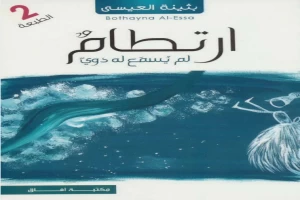
ارتطام لم يسمع له دوي PDF - Buthaina Al-Issa
Buthaina Al-Issa • Literary novels • 162 Pages
(0)
Author
Buthaina Al-IssaCategory
literatureSection
Number Of Downloads
51
Number Of Reads
145
File Size
1.34 MB
Views
1,177
Quate
Review
Save
Share
Book Description
رواية «ارتطام لم يُسمع له دوي» للكاتبة الكويتية بثينة العيسى عمل روائي عربي يضع القارئ أمام تجربة إنسانية تقوم على الغربة، الهوية، الحب، والاصطدام الصامت بين الفرد ووطنه. صدرت الرواية في طبعتها الأولى عام 2004 عن دار المدى في دمشق، وتوجد لها طبعة لاحقة صادرة عن منشورات تكوين بتاريخ 1 ديسمبر 2018، لذلك يمكن الإشارة إلى دار المدى عند الحديث عن النشر الأول، وإلى منشورات تكوين عند الحديث عن الطبعة الحديثة المتداولة.
تدور أحداث رواية «ارتطام لم يُسمع له دوي» حول فرح، وهي طالبة كويتية تسافر إلى السويد بعد اختيارها لتمثيل بلدها في مجال علم الأحياء. تبدو الرحلة في ظاهرها فرصة أكاديمية مرتبطة بالبحث والاختبار والمنافسة مع طلبة من دول أخرى، لكنها تتحول تدريجيًا إلى تجربة داخلية قاسية تكشف هشاشة التصورات التي تحملها البطلة عن نفسها، وعن وطنها، وعن العالم خارج الحدود المألوفة. في مدينة أبسالا السويدية، تواجه فرح اختلاف اللغة والمناخ والعادات، وتبدأ أسئلتها الشخصية بالتكاثر في فضاء جديد لا يشبه الكويت التي جاءت منها.
يأخذ السرد بعدًا أعمق عندما تلتقي فرح بضاري، وهو شاب من فئة «البدون» يقيم في السويد منذ سنوات. هذا اللقاء هو مركز “الارتطام” في الرواية: ليس اصطدامًا صاخبًا بين شخصين فحسب، بل مواجهة بين معنى المواطنة ومعنى الإقصاء، وبين من يحمل وطنه في أوراقه ومن يعيش خارج الاعتراف الرسمي. من خلال ضاري، ترى فرح جانبًا آخر من الكويت؛ جانبًا لا يتطابق مع الصورة البسيطة للوطن بوصفه مكانًا للحماية والانتماء. ومن خلال فرح، يلتقي ضاري بصورة الوطن الذي ابتعد عنه ولم يستطع الانفصال عنه عاطفيًا.
تعتمد بثينة العيسى في الرواية على لغة قريبة من التأمل والمونولوج الداخلي، فتجعل الحدث الخارجي أقل أهمية من أثره النفسي. فرح لا تخوض مجرد رحلة علمية إلى السويد، بل تدخل في اختبار أوسع يتعلق بوعيها بذاتها وبالمجتمع الذي تنتمي إليه. لذلك تظهر الأسئلة حول الغربة والوطن والحب والفوارق الاجتماعية لا بوصفها موضوعات مباشرة، بل بوصفها ارتجاجات داخلية تصيب الشخصية كلما وجدت نفسها أمام موقف جديد أو شخص يربك يقينها السابق.
تتقدم الحبكة عبر العلاقة المتوترة والرقيقة في الوقت نفسه بين فرح وضاري. فالغربة تجعل اللقاء ممكنًا، لكنها لا تلغي المسافة بينهما. فرح تحمل براءة التجربة الأولى خارج بلدها، بينما يحمل ضاري ذاكرة طويلة من الشعور بالاستبعاد. وبينهما تنشأ مساحة عاطفية وفكرية، يختلط فيها الانجذاب بالحيرة، والحنين بالغضب، والرغبة في الفهم بالخوف من الحقيقة. هنا تبرز قوة عنوان الرواية؛ فالارتطام لا يُسمع له دوي لأنه يحدث في الداخل، في الوعي، وفي نظرة الإنسان إلى نفسه وإلى بلده.
بهذا المعنى، تقدم رواية «ارتطام لم يُسمع له دوي» لبثينة العيسى نصًا قصيرًا نسبيًا لكنه مشحون بالأسئلة. لا تكتفي الرواية بحكاية طالبة كويتية في السويد، بل تستخدم هذه الرحلة لفتح ملف الهوية العربية، ومعنى الانتماء، ومأزق الإنسان الذي يبحث عن مكان معترف به في العالم. إنها رواية عن الاصطدام الهادئ الذي يغيّر الشخص من الداخل، وعن لحظة يكتشف فيها الإنسان أن الوطن قد يكون سؤالًا مؤلمًا بقدر ما هو ملاذ.
Buthaina Al-Issa
Buthaina Al-Essa is a leading Kuwaiti novelist, writer, publisher, and cultural figure whose work has become central to contemporary Arabic literature and to the growing international interest in Gulf fiction. Born in Kuwait in 1982, she developed a literary voice that combines emotional intensity, social awareness, narrative suspense, and a sharp concern with freedom, censorship, memory, motherhood, childhood, and the fragile relationship between language and power. Although her academic background is connected with business administration and finance at Kuwait University, her public career has been defined by literature, publishing, creative-writing education, and advocacy for a more open reading culture. Al-Essa’s fiction is often described as accessible and deeply layered at the same time: she can build a page-turning story, but beneath the plot she places questions about identity, trauma, silence, family structures, gender expectations, and the moral cost of social control. This ability has made her one of the most widely read Kuwaiti authors of her generation and an important name for readers searching for modern Arabic novels, Kuwaiti literature, Arab women writers, and literary fiction from the Gulf. Her novels include works such as “كبرت ونسيت أن أنسى,” translated into English as “All That I Want to Forget,” “خرائط التيه,” translated as “Lost in Mecca,” and “حارس سطح العالم,” translated as “The Book Censor’s Library,” along with other Arabic works including “عائشة تنزل إلى العالم السفلي,” “قيس وليلى والذئب,” “السندباد الأعمى,” and “دار خولة.” Across these books, Al-Essa frequently writes about characters who are trapped between the desire to speak and the fear of punishment, between inherited social rules and private pain, between the ordinary surfaces of daily life and the darker meanings hidden beneath them. Her style is marked by psychological precision, symbolic imagination, and a strong sense of rhythm; she often uses short, vivid scenes and emotionally charged images to create a reading experience that feels intimate while still addressing broad cultural questions. Beyond her novels, Buthaina Al-Essa is also known as the founder of Takween, a bookshop, publishing house, and cultural platform in Kuwait that has played a major role in supporting readers, writers, translators, and creative-writing communities. Through Takween and through her workshops on writing, she has helped shape a literary ecosystem rather than simply participating in it as an individual author. This combination of literary production and cultural institution-building is one reason her name carries weight not only among readers but also among publishers, translators, critics, and aspiring writers. Her international reputation expanded when her works appeared in English translation. “All That I Want to Forget” introduced English-language readers to her exploration of memory, womanhood, and family pressure; “Lost in Mecca” brought attention to her intense treatment of loss, pilgrimage, fear, and the vulnerability of childhood; and “The Book Censor’s Library” presented a dystopian meditation on censorship, reading, and the danger of reducing language to safe surfaces. “The Book Censor’s Library” won the Sharjah Award for Arab Creativity in the novel category in 2021 and became a finalist for the 2024 National Book Award for Translated Literature in the United States, further confirming Al-Essa’s position as a major contemporary Arab novelist. For website biographies, bookstore pages, literary catalogs, and SEO-friendly author profiles, Buthaina Al-Essa can be presented as a bestselling Kuwaiti author whose fiction combines social critique, emotional storytelling, and imaginative resistance to censorship. Her work appeals to readers interested in feminist Arabic literature, translated Arabic fiction, Gulf women writers, literary dystopia, psychological novels, and books that examine how societies control bodies, memories, and words.
Earn Rewards While Reading!
Every 10 pages you read and spent 30 seconds on every page, earns you 5 reward points! Keep reading to unlock achievements and exclusive benefits.
Read
Rate Now
5 Stars
4 Stars
3 Stars
2 Stars
1 Stars
ارتطام لم يسمع له دوي Quotes
Top Rated
Latest
Quate
Be the first to leave a quote and earn 10 points
instead of 3
'%20/%3e%3c/svg%3e "عائشة تنزل الى العالم السفلي")
Comments
Be the first to leave a comment and earn 5 points
instead of 3