

The source of the book
This book is published for the public benefit under a Creative Commons license, or with the permission of the author or publisher. If you have any objections to its publication, please contact us.
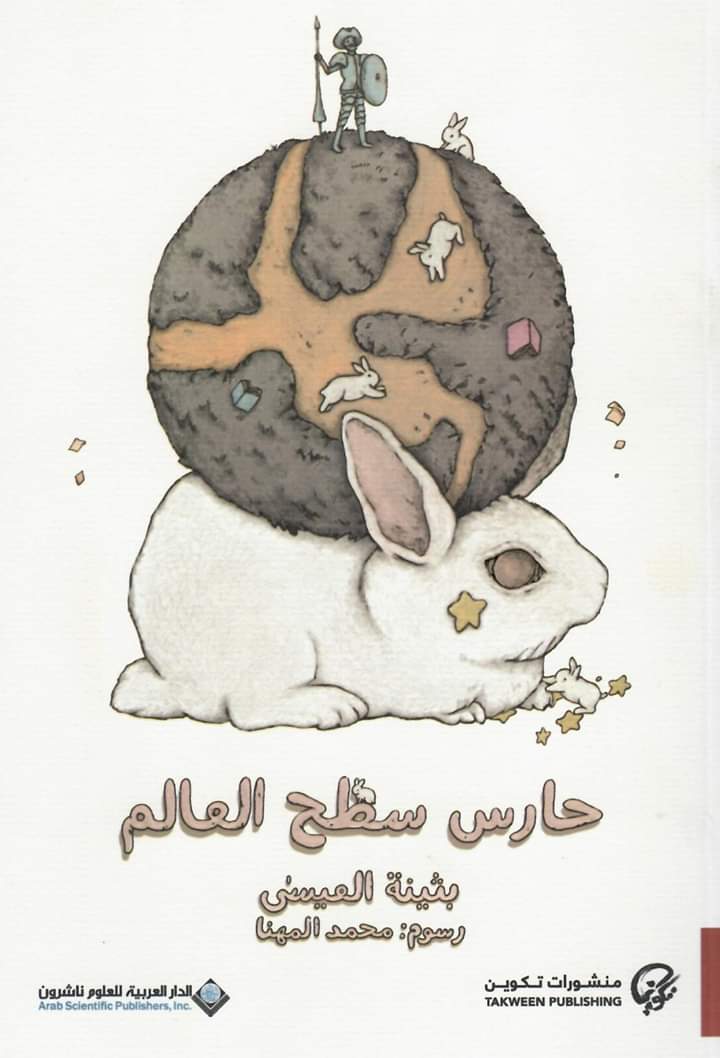
حارس سطح العالم PDF - Buthaina Al-Issa
Buthaina Al-Issa • Fantasy novels • 317 Pages
(0)
Quate
Review
Save
Share
Book Description
رواية «حارس سطح العالم» للكاتبة الكويتية بثينة العيسى صدرت عام 2019 عن الدار العربية للعلوم ناشرون، بالتعاون مع منشورات تكوين، وجاءت في نحو 247 صفحة بحسب بيانات Google Books ومصادر بيع الكتب. تنتمي الرواية إلى أدب الديستوبيا والخيال الرمزي، وتضع القارئ أمام عالم مستقبلي خانق تُدار فيه الحياة باسم الواقعية والسعادة المنظمة، بينما تُحاصَر المخيلة والقراءة والمعنى. وبذلك تقدّم بثينة العيسى في «حارس سطح العالم» رواية عن الخوف من الكتب بقدر ما هي رواية عن حاجة الإنسان إلى الحلم، والسؤال، والدهشة.
تدور أحداث الرواية في زمن غير محدد من المستقبل، وفي مكان لا تمنحه الكاتبة اسمًا واضحًا، لأن الفكرة الأساسية أن هذا المكان يمكن أن يشبه أي مكان حين تتحول السلطة إلى جهاز يراقب اللغة والخيال. في هذا العالم، تكون الديمقراطيات قد سقطت، وتقوم الدولة على تقنين التقنية ومنع الإنترنت، لا بوصف ذلك إجراءً سياسيًا فقط، بل باعتباره جزءًا من مشروع أكبر يهدف إلى ضبط الوعي الإنساني. الحكومة تزعم أنها تعمل من أجل سعادة المواطنين، لكنها تفعل ذلك عبر تخليصهم من فائض المشاعر والرغبات والأحلام، وحصر الإنسان في رغبات عملية محدودة: الانتماء والعمل والإنجاب.
بطل رواية «حارس سطح العالم» هو رقيب كتب، أي شخص يعمل داخل المنظومة نفسها التي تمنع المعنى وتطارد الخيال. مهمته أن يبقى على “سطح اللغة”، فلا يسمح للنصوص بأن تفتح أسئلة أو توقظ احتمالات. لكن المفارقة تبدأ حين يستيقظ هذا الرقيب ذات صباح ليجد نفسه قد تغيّر من الداخل؛ لم يعد قادرًا على أداء دوره القديم ببرود، بل صار قارئًا، جائعًا إلى الروايات الممنوعة، ومتورطًا في المعنى الذي كان مكلفًا بحراسته ومنع الآخرين من السقوط فيه. هنا تتشكل عقدة الرواية: ماذا يحدث للإنسان حين يكتشف أن ما كان يحاربه هو بالضبط ما يجعله إنسانًا؟
من خلال هذا التحول، تبني بثينة العيسى صراعًا نفسيًا وفكريًا أكثر منه صراعًا خارجيًا تقليديًا. الرقيب لا يواجه سلطة سياسية فحسب، بل يواجه اللغة التي كان يظنها أداة جامدة، ثم يكتشف أنها كائن حي قادر على زعزعة الطاعة. الكتب في الرواية ليست مجرد أشياء ممنوعة، بل أبواب إلى احتمالات خطرة في نظر الدولة: الاحتمال أن يتخيل الإنسان حياة أخرى، أو أن يرفض التأقلم، أو أن يسأل عن معنى وجوده خارج التعليمات الرسمية. لذلك تصبح القراءة فعل مقاومة، ويصبح الخيال تهمة، ويغدو القارئ شخصًا مهددًا لأنه لم يعد قابلًا للترويض الكامل.
تتحرك الرواية في فضاء ديستوبي يستدعي أعمالًا عالمية شهيرة عن الرقابة والقمع ومصادرة الخيال، وقد أشار قرّاء ومراجعون إلى حضور حوار أدبي مع عوالم مثل «1984» و«فهرنهايت 451» و«أليس في بلاد العجائب»، من دون أن تفقد الرواية صوتها العربي الخاص. هذا الحضور لا يأتي على شكل تقليد مباشر، بل كطريقة لتوسيع سؤال الرواية: من يملك حق تفسير العالم؟ ومن يقرر أي الكتب خطيرة؟ وهل حماية الناس من الألم تعني تجريدهم من الحرية؟
ملخص رواية «حارس سطح العالم» يكشف أنها ليست حكاية مغامرة سريعة، بل رحلة سقوط مقصود من السطح إلى العمق. يبدأ البطل حارسًا للنظام، ثم تقوده القراءة إلى مواجهة ما أخفته السلطة خلف شعارات السعادة والواقعية. ومع تقدّم الأحداث، تتكشف قسوة عالم يخشى الأطفال لأنهم يتخيلون، ويخشى الأدب لأنه يفتح بابًا للمعنى، ويخشى القارئ لأنه لم يعد يكتفي بما يُقال له. لذلك تصل الرواية إلى قارئها بوصفها تأملًا في الرقابة، وفي هشاشة الإنسان حين يُحرم من الحكاية، وفي قدرة الأدب على إنقاذ ما تبقى من الداخل الإنساني حتى في أكثر العوالم انغلاقًا.
Buthaina Al-Issa
Buthaina Al-Essa is a leading Kuwaiti novelist, writer, publisher, and cultural figure whose work has become central to contemporary Arabic literature and to the growing international interest in Gulf fiction. Born in Kuwait in 1982, she developed a literary voice that combines emotional intensity, social awareness, narrative suspense, and a sharp concern with freedom, censorship, memory, motherhood, childhood, and the fragile relationship between language and power. Although her academic background is connected with business administration and finance at Kuwait University, her public career has been defined by literature, publishing, creative-writing education, and advocacy for a more open reading culture. Al-Essa’s fiction is often described as accessible and deeply layered at the same time: she can build a page-turning story, but beneath the plot she places questions about identity, trauma, silence, family structures, gender expectations, and the moral cost of social control. This ability has made her one of the most widely read Kuwaiti authors of her generation and an important name for readers searching for modern Arabic novels, Kuwaiti literature, Arab women writers, and literary fiction from the Gulf. Her novels include works such as “كبرت ونسيت أن أنسى,” translated into English as “All That I Want to Forget,” “خرائط التيه,” translated as “Lost in Mecca,” and “حارس سطح العالم,” translated as “The Book Censor’s Library,” along with other Arabic works including “عائشة تنزل إلى العالم السفلي,” “قيس وليلى والذئب,” “السندباد الأعمى,” and “دار خولة.” Across these books, Al-Essa frequently writes about characters who are trapped between the desire to speak and the fear of punishment, between inherited social rules and private pain, between the ordinary surfaces of daily life and the darker meanings hidden beneath them. Her style is marked by psychological precision, symbolic imagination, and a strong sense of rhythm; she often uses short, vivid scenes and emotionally charged images to create a reading experience that feels intimate while still addressing broad cultural questions. Beyond her novels, Buthaina Al-Essa is also known as the founder of Takween, a bookshop, publishing house, and cultural platform in Kuwait that has played a major role in supporting readers, writers, translators, and creative-writing communities. Through Takween and through her workshops on writing, she has helped shape a literary ecosystem rather than simply participating in it as an individual author. This combination of literary production and cultural institution-building is one reason her name carries weight not only among readers but also among publishers, translators, critics, and aspiring writers. Her international reputation expanded when her works appeared in English translation. “All That I Want to Forget” introduced English-language readers to her exploration of memory, womanhood, and family pressure; “Lost in Mecca” brought attention to her intense treatment of loss, pilgrimage, fear, and the vulnerability of childhood; and “The Book Censor’s Library” presented a dystopian meditation on censorship, reading, and the danger of reducing language to safe surfaces. “The Book Censor’s Library” won the Sharjah Award for Arab Creativity in the novel category in 2021 and became a finalist for the 2024 National Book Award for Translated Literature in the United States, further confirming Al-Essa’s position as a major contemporary Arab novelist. For website biographies, bookstore pages, literary catalogs, and SEO-friendly author profiles, Buthaina Al-Essa can be presented as a bestselling Kuwaiti author whose fiction combines social critique, emotional storytelling, and imaginative resistance to censorship. Her work appeals to readers interested in feminist Arabic literature, translated Arabic fiction, Gulf women writers, literary dystopia, psychological novels, and books that examine how societies control bodies, memories, and words.
Earn Rewards While Reading!
Every 10 pages you read and spent 30 seconds on every page, earns you 5 reward points! Keep reading to unlock achievements and exclusive benefits.
Read
Rate Now
5 Stars
4 Stars
3 Stars
2 Stars
1 Stars
حارس سطح العالم Quotes
Top Rated
Latest
Quate
Be the first to leave a quote and earn 10 points
instead of 3
'%20/%3e%3c/svg%3e "عائشة تنزل الى العالم السفلي")
Comments
Be the first to leave a comment and earn 5 points
instead of 3