

The source of the book
This book is published for the public benefit under a Creative Commons license, or with the permission of the author or publisher. If you have any objections to its publication, please contact us.
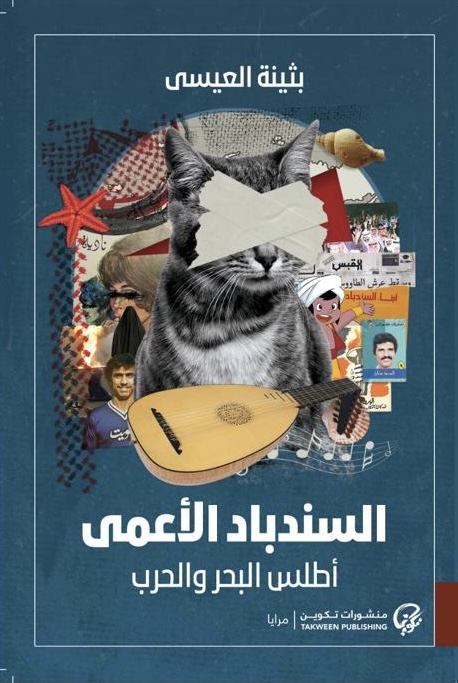
السندباد الأعمى PDF - Buthaina Al-Issa
Buthaina Al-Issa • Literary novels • 332 Pages
(0)
Quate
Review
Save
Share
Book Description
تُعد رواية «السندباد الأعمى: أطلس البحر والحرب» للكاتبة الكويتية بثينة العيسى عملًا روائيًا اجتماعيًا تاريخيًا صدر في طبعته الورقية عن منشورات تكوين عام 2021، وتُصنَّف ضمن الأدب العربي المعاصر. تشير بيانات مكتبة جرير إلى أن الرواية منشورة سنة 2021 عن منشورات تكوين، بينما يصفها موقع تكوين بأنها الرواية العاشرة لبثينة العيسى.
تقدم بثينة العيسى في «السندباد الأعمى» رواية عن العمى بمعناه الرمزي أكثر من معناه الحسي؛ عمى الخوف، وعمى المجتمع، وعمى اليقين حين يتحول إلى حكم قاسٍ على الآخرين. تحمل الرواية عنوانًا فرعيًا لافتًا هو «أطلس البحر والحرب»، وهو عنوان يلائم عالمها السردي الذي يجمع بين البحر بوصفه فضاءً للطفولة والذاكرة، والحرب بوصفها قوة عاتية تكسر حياة الأفراد وتعيد ترتيب مصائرهم. ومن خلال حكاية عائلية تبدأ بحادثة قاسية، تتوسع الرواية لتلامس أسئلة الحب، والصداقة، والخيانة، والطبقية، والطائفية، والذكورة، وجرائم الشرف، وتأثير الحرب على المجتمع الكويتي.
تدور أحداث الرواية حول نادية، المرأة الحالمة التي تحب الكتابة وتحلم بإنجاز روايتها الأولى. نادية ليست مجرد شخصية عابرة، فغيابها المفاجئ يتحول إلى مركز تدور حوله حياة الآخرين. في دائرتها يظهر الزوج نواف، والطفلة مناير، وصديق العائلة عامر. يبدأ العالم الروائي من أجواء أسرية تبدو هادئة قرب البحر، لكن حادثًا عنيفًا يطيح بهذا الهدوء ويترك أثرًا عميقًا في مصائر الشخصيات الأربع، وفق الوصف المنشور للنسخة الصوتية من الرواية.
تتعامل الرواية مع الحادثة لا بوصفها حدثًا جنائيًا فقط، بل بوصفها نقطة انكسار تكشف البنية الأخلاقية والاجتماعية المحيطة بالشخصيات. ما يحدث لنادية يفتح الباب أمام أسئلة عن معنى الشرف، وعن الطريقة التي ينحاز بها المجتمع للرجال في لحظات العنف، وعن هشاشة الأحكام حين تختلط الحقيقة بالخوف والشك. وتبرز علاقة نادية بعامر في خلفية اجتماعية يثقلها التعصب الطائفي؛ إذ تشير مواد التعريف بالرواية إلى قصة حب يحول المجتمع دون اكتمالها بين عامر الشيعي ونادية السنية.
لا يتوقف ملخص رواية «السندباد الأعمى» عند الفاجعة الأولى، بل يمتد زمنيًا من أجواء حرب الخليج والغزو العراقي للكويت في تسعينيات القرن العشرين وصولًا إلى جائحة كورونا، حيث تقارن الرواية بين عزلة الحرب وعزلة الوباء. في هذا الامتداد الزمني تصبح مناير، ابنة نادية، واحدة من أهم العيون التي يرى القارئ من خلالها أثر الفقد. تفقد الطفلة أمها مبكرًا، ثم تجد نفسها أمام عالم يتعلم لغة جديدة: لغة الحذر، والخطر، والكمامات، والدبابات، والحظر، والانتظار. وقد وصف تقرير عن الرواية هذا المسار بأنه انتقال من سنوات الحرب إلى تفشي الجائحة بعد ثلاثين سنة من الغزو، في مقاربة بين وجه الحرب ووجه الوباء.
تتميز رواية بثينة العيسى السندباد الأعمى بأنها لا تقدم شخصيات مثالية أو أحكامًا جاهزة، بل تترك القارئ أمام شبكة من الالتباسات. نواف ليس مجرد زوج غاضب، وعامر ليس مجرد صديق خائن، ونادية ليست مجرد ضحية صامتة، ومناير ليست مجرد طفلة حزينة. كل شخصية تحمل ندوبها وأوهامها ومبرراتها، وكل علاقة تنكشف تدريجيًا عبر الذاكرة والخوف وما لا يقال. لذلك تبدو الرواية، في جوهرها، عملًا عن سقوط الشعارات الكبرى عندما تختبرها الحياة اليومية: الحب قد يتحول إلى عبء، والصداقة إلى خيانة، والالتزام السياسي إلى قناع، واليقين إلى عمى.
في النهاية، تقدم «السندباد الأعمى: أطلس البحر والحرب» رواية عربية مكثفة عن أثر حادثة واحدة في حياة عائلة ومجتمع. إنها رواية عن البحر الذي يشهد ولا يتكلم، وعن الحرب التي لا تنتهي بانتهاء المعارك، وعن الوباء بوصفه تكرارًا جديدًا للعزلة والخوف. وبأسلوب بثينة العيسى القائم على التشابك بين الخاص والعام، يتحول مصير نادية ونواف وعامر ومناير إلى مرآة لأسئلة أوسع عن العدالة، والحقيقة، والذاكرة، وما يفعله المجتمع حين يقرر أن يرى نصف الحقيقة فقط.
Buthaina Al-Issa
Buthaina Al-Essa is a leading Kuwaiti novelist, writer, publisher, and cultural figure whose work has become central to contemporary Arabic literature and to the growing international interest in Gulf fiction. Born in Kuwait in 1982, she developed a literary voice that combines emotional intensity, social awareness, narrative suspense, and a sharp concern with freedom, censorship, memory, motherhood, childhood, and the fragile relationship between language and power. Although her academic background is connected with business administration and finance at Kuwait University, her public career has been defined by literature, publishing, creative-writing education, and advocacy for a more open reading culture. Al-Essa’s fiction is often described as accessible and deeply layered at the same time: she can build a page-turning story, but beneath the plot she places questions about identity, trauma, silence, family structures, gender expectations, and the moral cost of social control. This ability has made her one of the most widely read Kuwaiti authors of her generation and an important name for readers searching for modern Arabic novels, Kuwaiti literature, Arab women writers, and literary fiction from the Gulf. Her novels include works such as “كبرت ونسيت أن أنسى,” translated into English as “All That I Want to Forget,” “خرائط التيه,” translated as “Lost in Mecca,” and “حارس سطح العالم,” translated as “The Book Censor’s Library,” along with other Arabic works including “عائشة تنزل إلى العالم السفلي,” “قيس وليلى والذئب,” “السندباد الأعمى,” and “دار خولة.” Across these books, Al-Essa frequently writes about characters who are trapped between the desire to speak and the fear of punishment, between inherited social rules and private pain, between the ordinary surfaces of daily life and the darker meanings hidden beneath them. Her style is marked by psychological precision, symbolic imagination, and a strong sense of rhythm; she often uses short, vivid scenes and emotionally charged images to create a reading experience that feels intimate while still addressing broad cultural questions. Beyond her novels, Buthaina Al-Essa is also known as the founder of Takween, a bookshop, publishing house, and cultural platform in Kuwait that has played a major role in supporting readers, writers, translators, and creative-writing communities. Through Takween and through her workshops on writing, she has helped shape a literary ecosystem rather than simply participating in it as an individual author. This combination of literary production and cultural institution-building is one reason her name carries weight not only among readers but also among publishers, translators, critics, and aspiring writers. Her international reputation expanded when her works appeared in English translation. “All That I Want to Forget” introduced English-language readers to her exploration of memory, womanhood, and family pressure; “Lost in Mecca” brought attention to her intense treatment of loss, pilgrimage, fear, and the vulnerability of childhood; and “The Book Censor’s Library” presented a dystopian meditation on censorship, reading, and the danger of reducing language to safe surfaces. “The Book Censor’s Library” won the Sharjah Award for Arab Creativity in the novel category in 2021 and became a finalist for the 2024 National Book Award for Translated Literature in the United States, further confirming Al-Essa’s position as a major contemporary Arab novelist. For website biographies, bookstore pages, literary catalogs, and SEO-friendly author profiles, Buthaina Al-Essa can be presented as a bestselling Kuwaiti author whose fiction combines social critique, emotional storytelling, and imaginative resistance to censorship. Her work appeals to readers interested in feminist Arabic literature, translated Arabic fiction, Gulf women writers, literary dystopia, psychological novels, and books that examine how societies control bodies, memories, and words.
Earn Rewards While Reading!
Every 10 pages you read and spent 30 seconds on every page, earns you 5 reward points! Keep reading to unlock achievements and exclusive benefits.
Read
Rate Now
5 Stars
4 Stars
3 Stars
2 Stars
1 Stars
السندباد الأعمى Quotes
Top Rated
Latest
Quate
Be the first to leave a quote and earn 10 points
instead of 3
'%20/%3e%3c/svg%3e "عائشة تنزل الى العالم السفلي")
Comments
Be the first to leave a comment and earn 5 points
instead of 3