

The source of the book
This book is published for the public benefit under a Creative Commons license, or with the permission of the author or publisher. If you have any objections to its publication, please contact us.
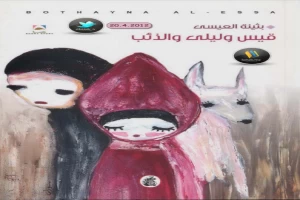
قيس وليلى والذئب PDF - Buthaina Al-Issa
Buthaina Al-Issa • Literary novels • 133 Pages
(0)
Author
Buthaina Al-IssaCategory
literatureSection
Number Of Downloads
45
Number Of Reads
220
File Size
0.82 MB
Views
1,455
Quate
Review
Save
Share
Book Description
يُعد كتاب «قيس وليلى والذئب» للكاتبة الكويتية بثينة العيسى عملًا أدبيًا أقرب إلى المجموعة النثرية القصصية منه إلى الرواية ذات الحبكة الواحدة؛ فهو لا يبني عالمًا روائيًا تقليديًا بشخصيات تتطور عبر فصل بعد فصل، بل يقدّم نصوصًا قصيرة تتراوح بين السرد المكثف، التأمل الشعري، والحكاية الرمزية. صدرت الطبعة الورقية من الكتاب عام 2011 عن المؤسسة العربية للدراسات والنشر، وتورده بيانات نيل وفرات في 136 صفحة، بلغة عربية، مع رقم ردمك 9789953361517.
في «قيس وليلى والذئب»، تستعيد بثينة العيسى أسماء مألوفة من الذاكرة العربية والعالم الحكائي، مثل قيس وليلى والذئب والغابة، لكنها لا تستخدمها لإعادة سرد قصة حب عذري أو حكاية أطفال كما نعرفها. بدلًا من ذلك، تفكك الكاتبة هذه الرموز وتعيد تركيبها لتطرح أسئلة عن الخوف، الانتظار، الشيخوخة، الحب، الأمومة، الوحدة، والخيال. لذلك، فإن ملخص كتاب «قيس وليلى والذئب» لا يقوم على تتبع حدث رئيسي واحد، بل على قراءة المزاج العام للنصوص وما تجمعه من صور ومعانٍ.
تدور نصوص الكتاب في فضاء رمزي تتكرر فيه الغابة بوصفها مكانًا للدهشة والتيه والتهديد في آن واحد. ليلى ليست مجرد بطلة حكاية رومانسية، والذئب ليس شريرًا ثابتًا، وقيس ليس دائمًا المنقذ المنتظر. الشخصيات هنا تتحول إلى مرايا للحالات الإنسانية: طفلة تسأل جدتها عن معنى الضعف والكبر، زهرة محاصرة بين حجرين حتى تظن نفسها حجرًا، امرأة تتهيأ طويلًا لفارس الأحلام حتى يغيب الحلم نفسه، وأم تحاول أن تجعل حضورها ممتدًا وكافيًا لطفلها. تعرض صفحة نيل وفرات أن الكتاب يضم خمسة أبواب ونصوصًا كتبتها بثينة العيسى بين عامي 2003 و2011، وأنها تجمع بين التأمل الإنساني والحس المرهف وخيوط الحكاية الرشيقة.
من أبرز ما يميز الكتاب أن بثينة العيسى تكتب بلغة مكثفة تعتمد على اللمحة أكثر من الشرح. النصوص القصيرة تمنح القارئ صورًا خاطفة، لكنها تترك أثرًا طويلًا لأنها لا تقول كل شيء مباشرة. في بعض المقاطع، تبدو الحكاية بسيطة وقريبة من أدب الطفولة، ثم تنقلب فجأة إلى سؤال وجودي عن العجز أو الموت أو معنى أن يكبر الإنسان. وفي مقاطع أخرى، تستدعي الكاتبة الأمثال والأحلام والحكايات الشعبية لتكشف كيف يمكن للصور الموروثة أن تتحول إلى قيود نفسية واجتماعية.
أما مضمون الكتاب فيمكن تلخيصه بأنه رحلة داخل الذات أكثر منه رحلة في أحداث خارجية. «قيس وليلى والذئب» يقرأ الحب بوصفه انتظارًا قد يتحول إلى عبء، والطفولة بوصفها قدرة على الدهشة لا تخلو من القسوة، والأمومة بوصفها فيضًا من الحماية والخوف معًا. كما يلمس الكتاب هشاشة الإنسان أمام الزمن؛ فالشيخوخة، الوحدة، الخيبة، والرغبة في النجاة تظهر كلها داخل صور قصيرة ذات طابع حلمي. لا يمنح الكتاب إجابات نهائية، بل يترك القارئ أمام أسئلة مفتوحة عن الصورة التي نصنعها لأنفسنا، وعن الحكايات التي نرثها ونصدقها ثم نحاول التحرر منها.
لذلك، يناسب كتاب «قيس وليلى والذئب» القراء الذين يحبون نصوص بثينة العيسى ذات اللغة الشعرية والرمزية، والباحثين عن كتاب قصير لا يعتمد على التشويق التقليدي بقدر ما يعتمد على التأمل والانطباع. إنه عمل يقرأ ببطء، لا لأنه صعب، بل لأن كثافة جمله وصوره تحتاج إلى توقف. ومن خلال هذا المزج بين قيس وليلى والذئب والغابة والطفولة والأمومة، تقدم بثينة العيسى كتابًا عربيًا حميمًا عن الإنسان حين يواجه حكاياته القديمة، ويحاول أن يجد صوته الخاص داخلها.
Buthaina Al-Issa
Buthaina Al-Essa is a leading Kuwaiti novelist, writer, publisher, and cultural figure whose work has become central to contemporary Arabic literature and to the growing international interest in Gulf fiction. Born in Kuwait in 1982, she developed a literary voice that combines emotional intensity, social awareness, narrative suspense, and a sharp concern with freedom, censorship, memory, motherhood, childhood, and the fragile relationship between language and power. Although her academic background is connected with business administration and finance at Kuwait University, her public career has been defined by literature, publishing, creative-writing education, and advocacy for a more open reading culture. Al-Essa’s fiction is often described as accessible and deeply layered at the same time: she can build a page-turning story, but beneath the plot she places questions about identity, trauma, silence, family structures, gender expectations, and the moral cost of social control. This ability has made her one of the most widely read Kuwaiti authors of her generation and an important name for readers searching for modern Arabic novels, Kuwaiti literature, Arab women writers, and literary fiction from the Gulf. Her novels include works such as “كبرت ونسيت أن أنسى,” translated into English as “All That I Want to Forget,” “خرائط التيه,” translated as “Lost in Mecca,” and “حارس سطح العالم,” translated as “The Book Censor’s Library,” along with other Arabic works including “عائشة تنزل إلى العالم السفلي,” “قيس وليلى والذئب,” “السندباد الأعمى,” and “دار خولة.” Across these books, Al-Essa frequently writes about characters who are trapped between the desire to speak and the fear of punishment, between inherited social rules and private pain, between the ordinary surfaces of daily life and the darker meanings hidden beneath them. Her style is marked by psychological precision, symbolic imagination, and a strong sense of rhythm; she often uses short, vivid scenes and emotionally charged images to create a reading experience that feels intimate while still addressing broad cultural questions. Beyond her novels, Buthaina Al-Essa is also known as the founder of Takween, a bookshop, publishing house, and cultural platform in Kuwait that has played a major role in supporting readers, writers, translators, and creative-writing communities. Through Takween and through her workshops on writing, she has helped shape a literary ecosystem rather than simply participating in it as an individual author. This combination of literary production and cultural institution-building is one reason her name carries weight not only among readers but also among publishers, translators, critics, and aspiring writers. Her international reputation expanded when her works appeared in English translation. “All That I Want to Forget” introduced English-language readers to her exploration of memory, womanhood, and family pressure; “Lost in Mecca” brought attention to her intense treatment of loss, pilgrimage, fear, and the vulnerability of childhood; and “The Book Censor’s Library” presented a dystopian meditation on censorship, reading, and the danger of reducing language to safe surfaces. “The Book Censor’s Library” won the Sharjah Award for Arab Creativity in the novel category in 2021 and became a finalist for the 2024 National Book Award for Translated Literature in the United States, further confirming Al-Essa’s position as a major contemporary Arab novelist. For website biographies, bookstore pages, literary catalogs, and SEO-friendly author profiles, Buthaina Al-Essa can be presented as a bestselling Kuwaiti author whose fiction combines social critique, emotional storytelling, and imaginative resistance to censorship. Her work appeals to readers interested in feminist Arabic literature, translated Arabic fiction, Gulf women writers, literary dystopia, psychological novels, and books that examine how societies control bodies, memories, and words.
Earn Rewards While Reading!
Every 10 pages you read and spent 30 seconds on every page, earns you 5 reward points! Keep reading to unlock achievements and exclusive benefits.
Read
Rate Now
5 Stars
4 Stars
3 Stars
2 Stars
1 Stars
قيس وليلى والذئب Quotes
Top Rated
Latest
Quate
Be the first to leave a quote and earn 10 points
instead of 3
'%20/%3e%3c/svg%3e "عائشة تنزل الى العالم السفلي")
Comments
Be the first to leave a comment and earn 5 points
instead of 3