

The source of the book
This book is published for the public benefit under a Creative Commons license, or with the permission of the author or publisher. If you have any objections to its publication, please contact us.
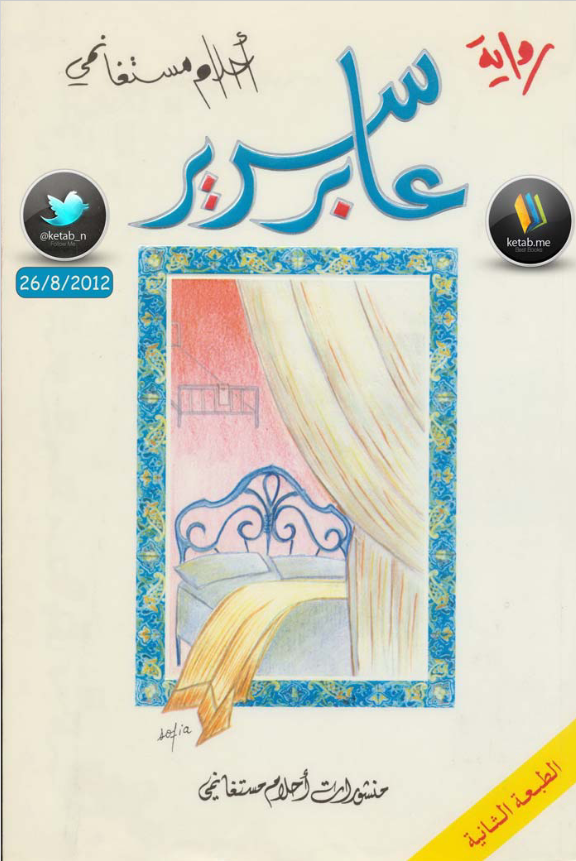
عابر سرير PDF - Ahlam Mosteghanemi
Ahlam Mosteghanemi • Drama novels • 320 Pages
(0)
Author
Ahlam MosteghanemiCategory
literatureSection
Number Of Downloads
47
Number Of Reads
166
File Size
3.83 MB
Views
1,222
Quate
Review
Save
Share
Book Description
رواية «عابر سرير» للكاتبة الجزائرية أحلام مستغانمي هي العمل الثالث والأخير في ثلاثيتها الروائية التي بدأت بـ«ذاكرة الجسد» ثم «فوضى الحواس». صدرت الرواية عام 2003، وتُذكر في بعض الفهارس والطبعات الأولى باسم «منشورات أحلام مستغانمي»، بينما تتداول طبعات أحدث عن نوفل/هاشيت أنطوان؛ إذ تورد جرير طبعة منشورة عام 2015 عن مكتبة هاشيت أنطوان، كما تورد أمازون نسخة إلكترونية عن نوفل بتاريخ 2013.
تواصل أحلام مستغانمي في «عابر سرير» مشروعها السردي القائم على تداخل الحب بالذاكرة، واللغة بالتاريخ، والمرأة بالوطن. ليست الرواية مجرد حكاية عاطفية، بل نص يستعيد جراح الجزائر من خلال مصائر أفراد يعيشون في المنفى، أو في ذاكرة لا تكف عن مطاردتهم. لذلك تبدو «عابر سرير» رواية عن العبور: عبور المدن، وعبور الحب، وعبور الأجساد، وعبور الخيبات التي تترك أثرها في الإنسان حتى حين يظن أنه نجا منها.
تدور أحداث الرواية حول خالد، المصوّر الجزائري الذي يتخذ لنفسه اسم خالد بن طوبال، مستحضرًا بطل «ذاكرة الجسد». يصل خالد إلى باريس محمّلًا بذاكرة الحرب والمنفى والصورة، وهناك يتقاطع طريقه مع زيان، الرسام الجزائري المريض بالسرطان، الراقد في المستشفى، والذي تكشف الرواية تدريجيًا ارتباطه العميق بعالم الثلاثية وشخصياتها السابقة. في هذا اللقاء بين المصور والرسام، يتحول الفن إلى وسيلة لمساءلة الماضي: الصورة تواجه اللوحة، والجسد المريض يواجه ذاكرة الوطن، والحياة الشخصية تنفتح على تاريخ الجزائر الحديث. تشير قراءات متعددة للرواية إلى أن خالد يتعرف إلى زيان في باريس، وأن هذا اللقاء يفتح الباب أمام شبكة من المصادفات والانعكاسات بين شخصيات الرواية والروايات السابقة.
تظهر حياة بوصفها الشخصية الأنثوية المركزية التي تشعل التباس الحب والذاكرة. يلتقي خالد بحياة في معرض زيان، وهناك تتداخل لوحات زيان مع وجه قسنطينة ومع حضور المرأة التي تبدو كأنها امتداد لحبيبات مضين أو أوطان ضائعة. لا تقدم أحلام مستغانمي حياة كشخصية عاطفية بسيطة، بل كرمز مركب: امرأة من لحم ودم، وفي الوقت نفسه صورة للوطن والحنين والخسارة. يواعدها خالد، ثم يأخذها إلى منزل زيان، حيث تنكشف أمامها صور امرأة أخرى، فتظن أنها أمام خيانة أو سر عاطفي، بينما يحاول خالد أن يشرح موقعه الملتبس في حياة تلك المرأة، بوصفه «عابر سرير» لا مالكًا للحب ولا مقيمًا نهائيًا فيه. يورد أحد ملخصات الحبكة أن خالد يلتقي حياة في معرض زيان، ثم يأخذها إلى منزل زيان، قبل أن يعلم لاحقًا بوفاة زيان وتبدأ مشكلة إعادة جثمانه إلى الجزائر.
تكمن قوة «عابر سرير» في أنها لا تسير وفق حبكة تقليدية مباشرة. فالرواية تتقدم عبر الاسترجاع، والمصادفة، والتأمل، والحوار الداخلي، وتبني معناها من تكرار الأسماء والصور والأسرّة واللوحات. السرير في الرواية ليس مكانًا جسديًا فحسب؛ إنه استعارة للمرض، والرغبة، والوحدة، والموت، والمنفى. من سرير المستشفى إلى سرير العشق، ومن سرير الذاكرة إلى نعش العودة، تصنع أحلام مستغانمي شبكة رمزية تجعل العنوان مفتاحًا لقراءة النص كله.
ينتهي المسار السردي على وقع الفقد، وخصوصًا مع موت زيان ومحاولة إعادة جثمانه إلى قسنطينة. هنا تبلغ الرواية ذروتها الرمزية: الفنان الذي حمل الوطن في لوحاته يعود إليه جسدًا، بينما يبقى خالد عالقًا بين الصورة والحب والخسارة. لا تمنح الرواية قارئها نهاية مريحة، بل تتركه أمام سؤال كبير: هل يمكن للإنسان أن يعبر الحب والوطن دون أن يتكسر داخله شيء؟ بهذا المعنى، تعد رواية «عابر سرير» لأحلام مستغانمي خاتمة حزينة ومكثفة لثلاثية جعلت من الجزائر، وقسنطينة، والحب المستحيل، واللغة الشعرية، عناصر أساسية في تشكيل عالم روائي عربي واسع التأثير.
Ahlam Mosteghanemi
Ahlam Mosteghanemi is an Algerian novelist, poet, and literary figure whose work occupies a distinguished place in modern Arabic literature, especially for readers interested in Arabic fiction, women’s writing, memory, exile, love, and the history of postcolonial Algeria. Born in Tunis during a period marked by the Algerian struggle for independence, she grew up within a family and national atmosphere shaped by displacement, political commitment, and the dream of return. This background became a powerful emotional and intellectual foundation for her writing, giving her novels a rare ability to connect private passion with collective history. She is widely known for writing in Arabic with an intense poetic style, and her name is strongly associated with the renewal of the Arabic novel through language that is lyrical, symbolic, and emotionally charged. Her breakthrough novel, Memory in the Flesh, established her as one of the most important Arabic-language novelists of her generation. The novel turns the body into a metaphor for the wounded homeland and transforms a love story into a meditation on revolution, loss, memory, and betrayal. Through this work and the novels that followed, including Chaos of the Senses, Bed Hopper, and Black Suits You So Well, Mosteghanemi developed a literary universe where love is never merely personal; it is tied to nation, language, history, dignity, and the burdens of memory. Her fiction is often read for its romantic intensity, yet its deeper strength lies in the way it examines the contradictions of the Arab world: the tension between idealism and disappointment, belonging and exile, desire and restraint, liberation and disillusionment. Ahlam Mosteghanemi’s prose is instantly recognizable because it gives each sentence a musical and aphoristic quality, often making her writing memorable beyond the boundaries of the novel itself. She has reached a broad readership while maintaining a serious literary identity, a combination that has made her one of the most widely read Arab authors and a frequent point of reference in discussions of contemporary Arabic literature. Her importance also lies in the way she placed the female voice at the center of historical narration. In her work, women are not passive figures placed inside national history; they are active witnesses, thinkers, lovers, and narrators who question inherited ideas about identity, loyalty, and freedom. This makes her writing particularly significant for readers exploring Arab women’s literature and feminist perspectives in Arabic fiction. At the same time, Mosteghanemi’s novels resist simple classification. They are political without being conventional political novels, romantic without being limited to romance, and poetic without abandoning narrative structure. Her use of Algeria as both a real country and a symbolic landscape gives her books a layered quality: the city, the body, the memory, and the beloved often mirror one another. This ability to merge personal emotion with national trauma explains the lasting influence of her work. She has also written essays and reflective texts that extend her interest in love, forgetting, language, and emotional survival, including works connected to the theme of forgetting and the art of detachment. For book websites, author pages, and literary catalogs, Ahlam Mosteghanemi can be described as a writer who transformed the Arabic novel into a space where history speaks through passion and where memory becomes both a wound and a form of resistance. Her legacy is not only in the popularity of her books, but also in the distinctive voice she created: elegant, intense, wounded, proud, and deeply attached to the Arabic language as a home for identity and beauty.
Earn Rewards While Reading!
Every 10 pages you read and spent 30 seconds on every page, earns you 5 reward points! Keep reading to unlock achievements and exclusive benefits.
Read
Rate Now
5 Stars
4 Stars
3 Stars
2 Stars
1 Stars
عابر سرير Quotes
Top Rated
Latest
Quate
Be the first to leave a quote and earn 10 points
instead of 3
'%20/%3e%3c/svg%3e "أكاذيب سمكة")
Comments
Be the first to leave a comment and earn 5 points
instead of 3