

The source of the book
This book is published for the public benefit under a Creative Commons license, or with the permission of the author or publisher. If you have any objections to its publication, please contact us.
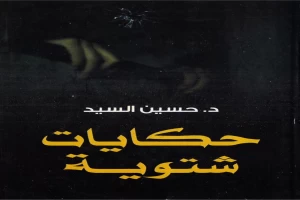
حكايات شتوية PDF - Hussein Elsayed
Hussein Elsayed • Horror novels • 173 Pages
(0)
Author
Hussein ElsayedCategory
literatureSection
Number Of Downloads
63
Number Of Reads
69
File Size
16.67 MB
Views
1,156
Quate
Review
Save
Share
Book Description
رواية «حكايات شتوية» للكاتب حسين السيد هي عمل عربي ينتمي إلى أدب الرعب والغموض، صدرت عن دار ن للنشر والتوزيع. تذكر صفحة دار ن أن سنة الإصدار هي 2014، وعدد صفحاتها 175 صفحة، بينما تورد منصة أبجد طبعة منشورة سنة 2018 بعدد 176 صفحة وردمك 9789777781374؛ لذلك يمكن الإشارة إلى أن بيانات الطبعات المتداولة تختلف بين المصادر، مع اعتماد دار ن ناشرًا للعمل. وتُصنَّف الرواية ضمن الروايات والقصص ذات الطابع المرعب، كما تعرضها منصات قراءة واستماع بوصفها عملًا عربيًا قصصيًا يمزج بين الأسرار العائلية، السحر، المرايا، الأقنعة، والوقائع الخارقة.
تدور «حكايات شتوية» حول أجواء باردة ومغلقة تليق باسمها؛ فالعنوان لا يشير فقط إلى فصل الشتاء، بل إلى حالة نفسية من العزلة والخوف والانتظار. يقدم حسين السيد حكايات تتجاور فيها الأشياء اليومية مع الرعب الكامن خلفها: مرآة لا تبدو بريئة، قناع غامض، أحجبة موروثة، قط أسود، ورفيق غريب يحمل اسم إيزار. هذه العناصر لا تظهر كزينة غرائبية، بل بوصفها مفاتيح لحكايات متتابعة يكشف فيها الراوي ماضيه وما ورثه من عالم لا يفهمه تمامًا.
في مركز الرواية يظهر أثر الجدة، وهي شخصية محورية ترتبط بالسحر والأغراض الملعونة والإرث المخيف. تشير النبذات المتداولة للرواية إلى أن الجدة كانت تمارس السحر، وأن ما تركته خلفها من متاع وأسرار صار مدخلًا إلى سلسلة من الوقائع المفزعة. ومن خلال هذا الإرث، يجد الراوي نفسه محاصرًا بأسئلة عن العائلة والذاكرة والخوف: هل الأشياء التي يرثها الإنسان مجرد ممتلكات، أم يمكن أن تكون لعنة تنتقل معه وتغير مصيره؟ هذا السؤال يمنح العمل بعدًا نفسيًا واضحًا، لأن الرعب هنا لا يأتي فقط من الكائنات الغامضة، بل من الإحساس بأن الماضي لم ينتهِ.
تبدأ الحكايات من أشياء تبدو ساكنة لكنها مشحونة بطاقة تهديد. فالمرايا، مثلًا، ترتبط بأسرار “مريعة” كما تذكر نبذة الكتاب، وتتحول من أداة عادية للتأمل إلى باب محتمل لاكتشاف وجه آخر للحقيقة. ثم تظهر حكاية التوأم الذي يدخل حياة الراوي فجأة، بما تفتحه من ارتباك حول الهوية والذاكرة والحدود بين الإنسان وصورته. كذلك تأتي حكاية ريم والحب الغريب لتضيف ملمحًا عاطفيًا مشوبًا بالقلق، حيث لا يُقدَّم الحب كملاذ آمن، بل كتجربة مرتبطة بالغموض والالتباس.
ومن بين العناصر البارزة أيضًا الأحجبة الشيطانية التي يرثها الراوي، والقط الأسود ذي السر العجيب، والرفيق المخيف إيزار. هذه التفاصيل تجعل الرواية أقرب إلى مجموعة من الحكايات المتصلة بخيط واحد، لا إلى حبكة خطية تقليدية. كل حكاية تكشف جانبًا من عالم الراوي، وتضيف طبقة جديدة إلى علاقته بجدته وبالأشياء التي تركتها. لذلك يمكن قراءة «حكايات شتوية» باعتبارها رحلة داخل بيت الذاكرة، حيث تتحول الغرف والأدراج والمتعلقات القديمة إلى مصادر تهديد لا إلى علامات حنين.
يميل أسلوب حسين السيد في هذا العمل إلى صناعة التشويق عبر الإيحاء والتدرج. فالرواية لا تعتمد على الرعب الصاخب وحده، بل على تراكم الشكوك حول حقيقة ما يحدث. القارئ يتقدم مع الراوي في مساحة ضبابية بين الواقع والخرافة: هل ما يراه نتيجة خوف متراكم؟ أم أن هناك بالفعل قوى غامضة تحيط به؟ هذه المنطقة الوسطى هي ما يمنح الكتاب جاذبيته لمحبي روايات الرعب العربية التي تستلهم الموروث الشعبي والسحر والأسرار العائلية.
في النهاية، تقدم رواية «حكايات شتوية» لحسين السيد تجربة قراءة قائمة على الحكاية المرعبة القصيرة المتصلة بمصير واحد. إنها ليست مجرد سرد لأحداث خارقة، بل محاولة لالتقاط أثر الخوف حين يأتي من البيت، ومن الذاكرة، ومن الأشياء التي يظن الإنسان أنها صامتة. وبفضل أجوائها الشتوية، وشخصية الجدة، وتعدد الحكايات المرتبطة بالمرايا والأقنعة والأحجبة والقط الأسود، تبدو الرواية مناسبة للقراء الباحثين عن عمل عربي يجمع بين الغموض والرعب والإرث العائلي الثقيل دون الابتعاد عن بساطة السرد ومتعة الحكاية.
Hussein Elsayed
Hussein El Sayed is remembered as one of Egypt’s most influential lyricists and one of the defining literary voices behind the golden age of modern Arabic song. Born in 1916 and active during a period when Egyptian music, cinema, radio, and popular culture were expanding across the Arab world, he helped give the sung word a new artistic status. His career shows how a lyricist can become an author in the broad cultural sense: not only someone who writes verses, but someone who shapes emotion, public memory, and the language through which generations understand love, longing, joy, loss, and national feeling. Hussein El Sayed’s writing was closely connected to performance, yet it also carried the qualities of strong literary craft. He understood that a song lyric must sound natural when spoken, graceful when sung, and memorable when repeated by ordinary listeners. For this reason, his language often appears simple at first glance, but that simplicity is the result of careful control. He used clear emotional situations, rhythmic phrasing, vivid but accessible images, and a dramatic sense of progression that allowed a song to grow from a private feeling into a shared experience. His words were not distant from everyday life; they came from the speech, humor, tenderness, and emotional directness of Egyptian culture, while still preserving elegance and poetic value. Hussein El Sayed became especially associated with major figures of twentieth-century Arabic music, including Mohamed Abdel Wahab, Abdel Halim Hafez, Farid Al Atrash, Fayza Ahmed, Nagat Al Saghira, and other leading artists whose voices carried his lyrics to millions. His collaboration with Mohamed Abdel Wahab was particularly important, because it placed his name at the center of a sophisticated musical environment where melody, cinema, and poetry worked together. He also wrote for musical films and screen performances, which required a special talent: the lyric had to serve the story, reveal character, and fit the mood of the scene, while still standing on its own as a memorable song. This connection with cinema helped make his work part of popular life, not only part of literary or musical circles. One of the strongest features of Hussein El Sayed’s style is his ability to balance intimacy with universality. He could write a line that sounded like a personal confession, yet listeners from different backgrounds could recognize themselves in it. His themes included romantic devotion, playful affection, separation, nostalgia, reconciliation, social cheerfulness, and patriotic pride. He wrote in a form of Egyptian Arabic that was musical, polished, and emotionally direct, proving that colloquial language could carry high artistic expression when handled by a gifted writer. His lyrics also reveal a keen awareness of structure. He knew when to repeat, when to surprise, when to soften an emotion, and when to intensify it. That skill made his songs highly suitable for composers and singers, and it explains why many of them remained alive in collective memory. Although Hussein El Sayed was not primarily known as a novelist or a traditional book author, his contribution to Arabic letters is substantial because lyric writing is a major branch of modern literary expression. He gave the Arabic song a narrative voice, a theatrical presence, and a poetic texture that influenced later generations of songwriters. His death in 1983 marked the end of a remarkable career, but his artistic legacy continues through recordings, films, radio archives, and the lasting admiration of listeners. For readers interested in Arabic music, Egyptian cultural history, or the literary art of songwriting, Hussein El Sayed remains an essential figure whose work demonstrates the power of clear language, sincere feeling, and disciplined imagination.
Earn Rewards While Reading!
Every 10 pages you read and spent 30 seconds on every page, earns you 5 reward points! Keep reading to unlock achievements and exclusive benefits.
Read
Rate Now
5 Stars
4 Stars
3 Stars
2 Stars
1 Stars
حكايات شتوية Quotes
Top Rated
Latest
Quate
Be the first to leave a quote and earn 10 points
instead of 3
'%20/%3e%3c/svg%3e "قربان بشري")
Comments
Be the first to leave a comment and earn 5 points
instead of 3