

The source of the book
This book is published for the public benefit under a Creative Commons license, or with the permission of the author or publisher. If you have any objections to its publication, please contact us.
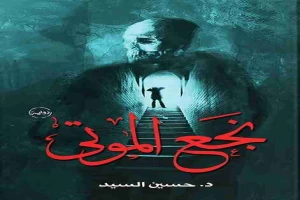
نجع الموتى PDF - Hussein Elsayed
Hussein Elsayed • Horror novels • 315 Pages
(0)
Author
Hussein ElsayedCategory
literatureSection
Number Of Downloads
89
Number Of Reads
70
File Size
26.76 MB
Views
1,663
Quate
Review
Save
Share
Book Description
تُعد رواية «نجع الموتى» للكاتب المصري حسين السيد من أعمال الرعب والتشويق العربية التي تمزج بين الغموض الشعبي وأجواء القرى المعزولة والأساطير المرتبطة بالمقابر الفرعونية. تُدرج الرواية في مصادر القراء والكتب ضمن إصدارات عام 2017، وتذكر مصادر البيع والنشر أن الناشر هو دار نون للنشر والتوزيع، بينما تورد بعض المنصات الرقمية تفاصيل إضافية مثل تصنيفها ضمن الروايات العربية وعدد صفحات يقارب 315 صفحة.
تدور رواية «نجع الموتى» حول الرائد فؤاد، الذي يتولى مسؤولية نقطة شرطة في نجع بعيد رابض في قلب الجبل. تبدو المهمة في بدايتها انتقالًا وظيفيًا عاديًا إلى مكان ناءٍ، لكنها تتحول سريعًا إلى مواجهة مع أسرار غامضة لا تشبه ما اعتاده في حياته السابقة. فالنجع ليس مجرد قرية صعيدية منعزلة، بل فضاء مشحون بالخوف، محاصر بالحكايات، ومفتوح على عالم لا يفصل بوضوح بين الحقيقة والوهم، ولا بين الماضي المدفون والحاضر القلق.
منذ وصول فؤاد إلى المكان، يبدأ الإحساس بالغرابة في السيطرة على الأحداث. السكان، البيوت، الصمت، الجبل، والمقابر المحيطة كلها عناصر تصنع جوًا خانقًا يوحي بأن النجع يخفي شيئًا أعمق من مجرد جرائم أو مشكلات محلية. عنوان الرواية نفسه، «نجع الموتى»، يضع القارئ أمام سؤال مركزي: كيف يمكن أن تستمر الحياة في مكان يوصف بأن سكانه موتى؟ هذا السؤال لا يعمل فقط كمدخل للرعب، بل يتحول إلى مفتاح لفهم بنية الرواية، حيث يصبح المكان شخصية قائمة بذاتها، يراقب الشخصيات ويدفعها إلى كشف ما تحاول دفنه أو الهروب منه.
يعتمد حسين السيد في الرواية على أجواء الرعب النفسي والتشويق البوليسي معًا. فالرائد فؤاد لا يواجه لغزًا واحدًا واضح المعالم، بل يدخل شبكة من الأسرار المتراكمة، بعضها مرتبط بأهل النجع، وبعضها يتصل بالماضي والأساطير المحلية والمقابر الفرعونية. وقد أشارت قراءة نقدية منشورة في صحيفة «الخليج» إلى أن الرواية توظف الرعب وقضية المقابر الفرعونية والأساطير المحلية داخل واقع يتجاوب مع تلك الأساطير، كما تستخدم تعدد الأصوات والاسترجاع الزمني لإبقاء النهايات مفتوحة على أكثر من احتمال.
ملخص رواية «نجع الموتى» يمكن النظر إليه بوصفه رحلة تحقيق في مكان لا يمنح الحقيقة بسهولة. فؤاد، القادم بصفته ضابطًا مسؤولًا عن النظام، يكتشف أن القوانين العادية لا تكفي لفهم ما يجري. كلما حاول الاقتراب من سر النجع، انكشفت طبقة جديدة من الخوف، وتداخلت الوقائع مع الحكايات الشعبية التي يرددها الناس أو يخشون ذكرها. هذا التداخل يجعل القارئ في حالة شك مستمر: هل ما يحدث نتيجة جرائم بشرية مدبرة، أم أن المكان نفسه يحمل لعنة قديمة؟ وهل الموت في الرواية حقيقة مادية، أم رمز لحياة متجمدة يعيشها الناس تحت سلطة الخوف؟
قوة الرواية تكمن في استخدامها للبيئة المحلية بوصفها مصدرًا للرعب، لا مجرد خلفية للأحداث. الجبل، العزلة، المقابر، ونقطة الشرطة الصغيرة تخلق مسرحًا مناسبًا لتصاعد التوتر. كما أن اختيار شخصية ضابط شرطة كبطل يمنح السرد بعدًا تحقيقيًا؛ فالقارئ يتقدم في الرواية عبر أسئلة فؤاد ومحاولاته للفهم، لكنه يصطدم مثله بإشارات متضاربة وشخصيات تخفي أكثر مما تقول. بذلك تجمع الرواية بين متعة اللغز وإحساس الخطر الذي يميز أدب الرعب.
لا تقدم «نجع الموتى» رعبًا قائمًا فقط على المفاجآت، بل تبني خوفها من فكرة المكان المغلق الذي يحمل ذاكرة ثقيلة. الرواية تناسب القراء المهتمين بأدب الرعب العربي، وبالأعمال التي تستثمر الأسطورة الشعبية والموروث المصري في حبكة مشوقة. ومن خلال شخصية الرائد فؤاد، يضع حسين السيد القارئ داخل نجع غامض، حيث يصبح البحث عن الحقيقة مغامرة محفوفة بالخوف، وحيث يبدو الموت حاضرًا لا بوصفه نهاية فحسب، بل كقوة تتحكم في حياة الأحياء.
Hussein Elsayed
Hussein El Sayed is remembered as one of Egypt’s most influential lyricists and one of the defining literary voices behind the golden age of modern Arabic song. Born in 1916 and active during a period when Egyptian music, cinema, radio, and popular culture were expanding across the Arab world, he helped give the sung word a new artistic status. His career shows how a lyricist can become an author in the broad cultural sense: not only someone who writes verses, but someone who shapes emotion, public memory, and the language through which generations understand love, longing, joy, loss, and national feeling. Hussein El Sayed’s writing was closely connected to performance, yet it also carried the qualities of strong literary craft. He understood that a song lyric must sound natural when spoken, graceful when sung, and memorable when repeated by ordinary listeners. For this reason, his language often appears simple at first glance, but that simplicity is the result of careful control. He used clear emotional situations, rhythmic phrasing, vivid but accessible images, and a dramatic sense of progression that allowed a song to grow from a private feeling into a shared experience. His words were not distant from everyday life; they came from the speech, humor, tenderness, and emotional directness of Egyptian culture, while still preserving elegance and poetic value. Hussein El Sayed became especially associated with major figures of twentieth-century Arabic music, including Mohamed Abdel Wahab, Abdel Halim Hafez, Farid Al Atrash, Fayza Ahmed, Nagat Al Saghira, and other leading artists whose voices carried his lyrics to millions. His collaboration with Mohamed Abdel Wahab was particularly important, because it placed his name at the center of a sophisticated musical environment where melody, cinema, and poetry worked together. He also wrote for musical films and screen performances, which required a special talent: the lyric had to serve the story, reveal character, and fit the mood of the scene, while still standing on its own as a memorable song. This connection with cinema helped make his work part of popular life, not only part of literary or musical circles. One of the strongest features of Hussein El Sayed’s style is his ability to balance intimacy with universality. He could write a line that sounded like a personal confession, yet listeners from different backgrounds could recognize themselves in it. His themes included romantic devotion, playful affection, separation, nostalgia, reconciliation, social cheerfulness, and patriotic pride. He wrote in a form of Egyptian Arabic that was musical, polished, and emotionally direct, proving that colloquial language could carry high artistic expression when handled by a gifted writer. His lyrics also reveal a keen awareness of structure. He knew when to repeat, when to surprise, when to soften an emotion, and when to intensify it. That skill made his songs highly suitable for composers and singers, and it explains why many of them remained alive in collective memory. Although Hussein El Sayed was not primarily known as a novelist or a traditional book author, his contribution to Arabic letters is substantial because lyric writing is a major branch of modern literary expression. He gave the Arabic song a narrative voice, a theatrical presence, and a poetic texture that influenced later generations of songwriters. His death in 1983 marked the end of a remarkable career, but his artistic legacy continues through recordings, films, radio archives, and the lasting admiration of listeners. For readers interested in Arabic music, Egyptian cultural history, or the literary art of songwriting, Hussein El Sayed remains an essential figure whose work demonstrates the power of clear language, sincere feeling, and disciplined imagination.
Earn Rewards While Reading!
Every 10 pages you read and spent 30 seconds on every page, earns you 5 reward points! Keep reading to unlock achievements and exclusive benefits.
Read
Rate Now
5 Stars
4 Stars
3 Stars
2 Stars
1 Stars
نجع الموتى Quotes
Top Rated
Latest
Quate
Be the first to leave a quote and earn 10 points
instead of 3
'%20/%3e%3c/svg%3e "قربان بشري")
Comments
Be the first to leave a comment and earn 5 points
instead of 3