

The source of the book
This book is published for the public benefit under a Creative Commons license, or with the permission of the author or publisher. If you have any objections to its publication, please contact us.
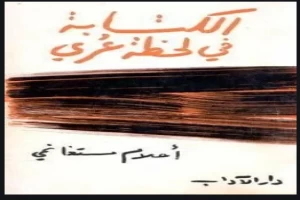
الكتابة في لحظة عري PDF - Ahlam Mosteghanemi
Ahlam Mosteghanemi • literature • 52 Pages
(0)
Author
Ahlam MosteghanemiCategory
literatureSection
Number Of Downloads
60
Number Of Reads
171
File Size
0.24 MB
Views
1,538
Quate
Review
Save
Share
Book Description
«الكتابة في لحظة عري» كتاب مبكر للكاتبة الجزائرية أحلام مستغانمي، صدر عام 1976، وتُذكر بعض الفهارس الرقمية أن ناشره هو دار الآداب، وأنه يقع في نحو 52 صفحة في طبعته الأولى. ينتمي العمل إلى منطقة قريبة من الشعر والنثر التأملي والخواطر، أكثر مما ينتمي إلى الرواية ذات الحبكة التقليدية؛ فهو ليس رواية تقوم على شخصيات وأحداث متصاعدة، بل نصوص وجدانية وفكرية قصيرة تكشف ملامح التجربة الأولى لكاتبة ستصبح لاحقًا من أبرز الأسماء في الأدب العربي المعاصر. وتشير مصادر قراءة عربية إلى أن الكتاب يضم أفكارًا وخواطر ورسائل كتبتها مستغانمي في سبعينيات القرن العشرين، مع حضور واضح لثيمات الحب والسياسة والذاكرة والحرب.
في هذا الكتاب، تظهر أحلام مستغانمي في مرحلة البدايات، قبل رواياتها الأشهر مثل «ذاكرة الجسد»، لكنها تبدو منشغلة منذ وقت مبكر بالأسئلة التي ستظل ترافق مشروعها الأدبي: كيف يكتب الإنسان عن الحب من دون أن ينعزل عن التاريخ؟ وكيف يمكن للكلمة أن تكون اعترافًا شخصيًا واحتجاجًا عامًا في الوقت نفسه؟ لذلك يأتي عنوان «الكتابة في لحظة عري» دالًا على طبيعة النصوص؛ فالعري هنا ليس معنى جسديًا مباشرًا، بل حالة انكشاف داخلي، تضع الذات أمام خوفها وحنينها وأسئلتها وخساراتها. الكتابة تصبح وسيلة لمواجهة الذاكرة، ولتحويل الوجع الشخصي إلى لغة قادرة على لمس القارئ.
لا يقدم الكتاب «حبكة» بالمعنى الروائي، لذلك يمكن تلخيص محتواه بوصفه رحلة وجدانية بين الاعتراف والتأمل. تتحرك النصوص بين مخاطبة حبيب غائب، واستعادة ذكريات مثقلة بالفقد، والتفكير في الوطن والتاريخ والإنسان. في بعض المقاطع، تبدو الكاتبة وكأنها تكتب رسالة لا تنتظر جوابًا، وفي مقاطع أخرى تتحول الجملة إلى ومضة شعرية تلتقط إحساسًا عابرًا: الخوف من الفرح، الإحساس بالغربة، قسوة الأرقام حين تخفي وراءها حيوات بشرية، أو محاولة الإمساك بصورة ذات تتغير تحت ضغط الزمن. وقد وصف أحد العروض العربية الكتاب بأنه مجموعة نصوص تشبه الخواطر عن الذكريات، حيث تتجاور عند مستغانمي قضايا الحب والحرب.
تتسم لغة «الكتابة في لحظة عري» بالكثافة والاعتماد على الصورة والمجاز، وهي لغة قريبة من النبرة الشعرية التي عُرفت بها أحلام مستغانمي في أعمال لاحقة. لا تسعى الكاتبة إلى بناء عالم خارجي مفصل بقدر ما تنشغل ببناء عالم داخلي؛ عالم يتكوّن من الذاكرة والرسائل والأسئلة والمشاعر المتضاربة. ولهذا تبدو النصوص أحيانًا كأنها شذرات من دفتر خاص، لكنها في الوقت نفسه تنفتح على هموم أوسع، لأن الذات التي تتكلم لا تنفصل عن محيطها السياسي والاجتماعي. فالحب في الكتاب ليس عاطفة معزولة، بل يتداخل مع معنى الغياب، ومع أثر التاريخ، ومع جراح الإنسان العربي في مرحلة ما بعد الاستقلال والتحولات الكبرى.
أهمية الكتاب لا تكمن فقط في موضوعاته، بل في كونه شاهدًا على تشكل صوت أحلام مستغانمي الأدبي. فمن يقرأه اليوم يستطيع أن يلمح البذور الأولى لأسلوبها: الجملة المشحونة بالعاطفة، المزج بين الحميم والوطني، الميل إلى تحويل الخسارة إلى تأمل لغوي، والاعتماد على خطاب موجه إلى «أنت» غائب أو متخيل. كما أن نشره في عام 1976 يجعله جزءًا من مرحلة مبكرة في مسيرة الكاتبة، بعد ديوانها الأول «على مرفأ الأيام» الذي صدر عام 1973 بحسب مصادر سيرتها الأدبية.
بصورة عامة، «الكتابة في لحظة عري» ليس كتابًا يُقرأ بحثًا عن قصة ذات بداية وذروة ونهاية، بل يُقرأ بوصفه نصًا وجدانيًا يكشف حساسية كاتبة شابة أمام الحب والفقد والوطن والكتابة نفسها. إنه عمل قصير، لكنه يحمل ملامح عالم أحلام مستغانمي الذي سيكبر لاحقًا: عالم تتجاور فيه الرومانسية مع الجرح التاريخي، وتتحول فيه اللغة إلى مساحة للمقاومة والاعتراف. لذلك يظل الكتاب مناسبًا للقراء المهتمين ببدايات أحلام مستغانمي، وبالأدب العربي الذي يمزج الشعر بالنثر، والبوح الذاتي بالهم العام.
Ahlam Mosteghanemi
Ahlam Mosteghanemi is an Algerian novelist, poet, and literary figure whose work occupies a distinguished place in modern Arabic literature, especially for readers interested in Arabic fiction, women’s writing, memory, exile, love, and the history of postcolonial Algeria. Born in Tunis during a period marked by the Algerian struggle for independence, she grew up within a family and national atmosphere shaped by displacement, political commitment, and the dream of return. This background became a powerful emotional and intellectual foundation for her writing, giving her novels a rare ability to connect private passion with collective history. She is widely known for writing in Arabic with an intense poetic style, and her name is strongly associated with the renewal of the Arabic novel through language that is lyrical, symbolic, and emotionally charged. Her breakthrough novel, Memory in the Flesh, established her as one of the most important Arabic-language novelists of her generation. The novel turns the body into a metaphor for the wounded homeland and transforms a love story into a meditation on revolution, loss, memory, and betrayal. Through this work and the novels that followed, including Chaos of the Senses, Bed Hopper, and Black Suits You So Well, Mosteghanemi developed a literary universe where love is never merely personal; it is tied to nation, language, history, dignity, and the burdens of memory. Her fiction is often read for its romantic intensity, yet its deeper strength lies in the way it examines the contradictions of the Arab world: the tension between idealism and disappointment, belonging and exile, desire and restraint, liberation and disillusionment. Ahlam Mosteghanemi’s prose is instantly recognizable because it gives each sentence a musical and aphoristic quality, often making her writing memorable beyond the boundaries of the novel itself. She has reached a broad readership while maintaining a serious literary identity, a combination that has made her one of the most widely read Arab authors and a frequent point of reference in discussions of contemporary Arabic literature. Her importance also lies in the way she placed the female voice at the center of historical narration. In her work, women are not passive figures placed inside national history; they are active witnesses, thinkers, lovers, and narrators who question inherited ideas about identity, loyalty, and freedom. This makes her writing particularly significant for readers exploring Arab women’s literature and feminist perspectives in Arabic fiction. At the same time, Mosteghanemi’s novels resist simple classification. They are political without being conventional political novels, romantic without being limited to romance, and poetic without abandoning narrative structure. Her use of Algeria as both a real country and a symbolic landscape gives her books a layered quality: the city, the body, the memory, and the beloved often mirror one another. This ability to merge personal emotion with national trauma explains the lasting influence of her work. She has also written essays and reflective texts that extend her interest in love, forgetting, language, and emotional survival, including works connected to the theme of forgetting and the art of detachment. For book websites, author pages, and literary catalogs, Ahlam Mosteghanemi can be described as a writer who transformed the Arabic novel into a space where history speaks through passion and where memory becomes both a wound and a form of resistance. Her legacy is not only in the popularity of her books, but also in the distinctive voice she created: elegant, intense, wounded, proud, and deeply attached to the Arabic language as a home for identity and beauty.
Earn Rewards While Reading!
Every 10 pages you read and spent 30 seconds on every page, earns you 5 reward points! Keep reading to unlock achievements and exclusive benefits.
Read
Rate Now
5 Stars
4 Stars
3 Stars
2 Stars
1 Stars
الكتابة في لحظة عري Quotes
Top Rated
Latest
Quate
Be the first to leave a quote and earn 10 points
instead of 3
'%20/%3e%3c/svg%3e "أكاذيب سمكة")
Comments
Be the first to leave a comment and earn 5 points
instead of 3