

The source of the book
This book is published for the public benefit under a Creative Commons license, or with the permission of the author or publisher. If you have any objections to its publication, please contact us.
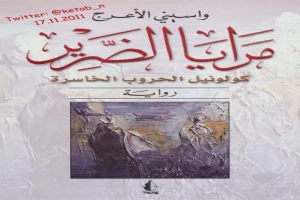
مرايا الضرير PDF - wasini al'aeraj
wasini al'aeraj • Literary novels • 226 Pages
(0)
Author
wasini al'aerajCategory
literatureSection
Number Of Downloads
57
Number Of Reads
89
File Size
3.17 MB
Views
1,146
Quate
Review
Save
Share
Book Description
تُعد رواية «مرايا الضرير» للكاتب الجزائري واسيني الأعرج من الأعمال الأدبية التي تعكس اهتمامه العميق بأسئلة الهوية والذاكرة والإنسان، وهي من الروايات التي تواصل مشروعه السردي القائم على المزج بين التأمل الفلسفي والبناء الروائي. صدرت الرواية عن منشورات الجمل، وتندرج ضمن الأدب العربي المعاصر الذي يهتم باستكشاف التحولات النفسية والاجتماعية من خلال شخصيات مركبة وأحداث ذات أبعاد رمزية.
تدور الفكرة الأساسية في «مرايا الضرير» حول العلاقة بين الرؤية الحقيقية والبصيرة الداخلية، حيث يستخدم واسيني الأعرج صورة الضرير بوصفها رمزًا يتجاوز فقدان البصر الجسدي ليطرح أسئلة عن الحقيقة والذاكرة والقدرة على فهم العالم. ومن خلال شبكة من الشخصيات والأحداث، ينسج الكاتب رواية تستكشف كيف يمكن للإنسان أن يرى ما لا يراه الآخرون، وكيف قد تتحول الذاكرة إلى مرآة تعكس الواقع أو تشوهه في الوقت نفسه.
تتقدم أحداث الرواية بأسلوب غير خطي يعتمد على الاسترجاع والتأمل، فتتشابك الأزمنة وتتداخل الأصوات السردية لتكوين صورة متكاملة عن الشخصيات وتجاربها. لا يركز الكاتب على الإثارة التقليدية بقدر ما يمنح القارئ مساحة للتفكير في القضايا الإنسانية التي تطرحها الرواية، مثل العزلة، والحب، والخسارة، والبحث عن المعنى. ويتميز السرد بالتدرج في كشف أبعاد الشخصيات، مما يجعل القراءة تجربة تعتمد على التأمل أكثر من اعتمادها على تسارع الأحداث.
تناسب «مرايا الضرير» القراء الذين يفضلون الروايات الأدبية ذات الطابع الفكري والرمزي، ولا سيما المهتمين بالأدب العربي الحديث وأعمال واسيني الأعرج. أما من يبحث عن رواية تعتمد على الأحداث المتلاحقة والإيقاع السريع، فقد يجد أسلوبها بطيئًا نسبيًا، لأن الرواية تمنح الأولوية للتأمل النفسي واللغوي على حساب الحركة الدرامية المستمرة.
من أبرز نقاط القوة في الرواية لغتها الأدبية الرفيعة، إذ يمتلك واسيني الأعرج أسلوبًا شعريًا يجمع بين السلاسة والعمق، مع قدرة واضحة على بناء صور بلاغية تخدم المعنى ولا تتحول إلى زخرفة لغوية فقط. كما ينجح في رسم شخصيات متعددة الأبعاد، ويمنحها أصواتًا متمايزة تجعلها تبدو واقعية رغم الطابع الرمزي الذي يحيط بها. كذلك تتميز الرواية ببنائها الفني الذي يشجع القارئ على إعادة التفكير في الأحداث بعد الانتهاء منها.
في المقابل، قد يرى بعض القراء أن كثافة الرموز والإشارات الفكرية تتطلب تركيزًا وصبرًا، وأن البناء غير الخطي قد يجعل متابعة التفاصيل أكثر تحديًا مقارنة بالروايات التقليدية. ومع ذلك، فإن هذه السمات تُعد بالنسبة لكثير من محبي الأدب الجاد جزءًا من جاذبية العمل وقيمته الفنية.
ما يميز «مرايا الضرير» عن كثير من الروايات العربية المعاصرة هو قدرتها على المزج بين البعد الإنساني والبعد الفلسفي دون أن تفقد حسها الروائي. فالكاتب لا يكتفي بسرد قصة، بل يستخدمها وسيلة للتأمل في طبيعة الإدراك والذاكرة والعلاقة بين الإنسان والعالم. كما أن حضور التاريخ والواقع الاجتماعي يأتي بصورة غير مباشرة، ليمنح النص عمقًا إضافيًا دون أن يتحول إلى خطاب مباشر.
تندرج الرواية ضمن السياق الثقافي للأدب العربي الذي شهد اهتمامًا متزايدًا بقضايا الذاكرة والهوية في العقود الأخيرة، وهي تعكس أيضًا السمات البارزة في مشروع واسيني الأعرج الأدبي، الذي يجمع بين التجريب الفني والانشغال بالقضايا الإنسانية والثقافية. وقد أسهمت أعمال الكاتب عمومًا في ترسيخ مكانته بوصفه أحد أبرز الروائيين العرب المعاصرين، ونال خلال مسيرته الأدبية عددًا من الجوائز والتكريمات، إلا أن «مرايا الضرير» نفسها ليست معروفة بأنها حازت جائزة أدبية محددة.
في المجمل، تُعد «مرايا الضرير» رواية جديرة بالقراءة لكل من يبحث عن عمل أدبي يوازن بين جمال اللغة وعمق الفكرة. فهي ليست رواية تُقرأ على عجل، بل عمل يدعو إلى التأمل وإعادة القراءة لاكتشاف طبقاته المختلفة. وإذا كنت من محبي الروايات التي تطرح أسئلة أكثر مما تقدم إجابات، وتمنح القارئ فرصة للمشاركة في بناء المعنى، فإن هذه الرواية تمثل إضافة قيمة إلى مكتبتك الأدبية، كما تقدم نموذجًا مميزًا لأسلوب واسيني الأعرج في الكتابة الروائية العربية المعاصرة.
wasini al'aeraj
Waciny Laredj is one of the most distinguished contemporary Algerian novelists, intellectuals, and academics in the Arab world. Born on August 8, 1954, in Tlemcen, Algeria, he grew up during a period marked by political struggles and the aftermath of French colonial rule. These historical and cultural experiences profoundly influenced his literary vision, making history, memory, identity, exile, and cultural heritage central themes in his works.
Laredj pursued higher education in Arabic language and literature, eventually earning a doctorate in modern Arabic literature. Throughout his academic career, he has taught at several prestigious universities in Algeria and abroad, contributing significantly to the study of Arabic literature. In addition to his work as a professor, he has participated in numerous international literary conferences and cultural forums, earning recognition as both a scholar and a creative writer.
Waciny Laredj is celebrated for his unique narrative style, which combines historical facts with fiction, poetic language, and philosophical reflection. His novels often blur the boundaries between reality and imagination, inviting readers to explore complex human emotions and historical events from fresh perspectives. Rather than presenting history as a fixed sequence of events, he reimagines it through the lives and memories of his characters, giving voice to individuals who have often been overlooked or forgotten.
One of the defining characteristics of Laredj’s writing is his exploration of identity. His characters frequently struggle with questions of belonging, displacement, and cultural conflict. These themes reflect not only Algeria’s colonial history and its search for national identity but also broader human experiences shared by people across different cultures. His works emphasize the importance of preserving memory while embracing dialogue between civilizations.
Among his most acclaimed novels are The Book of the Emir, The House of Andalusian Longing, and The Lady of the Stations. These works have received widespread praise for their literary depth, historical richness, and emotional resonance. Many of his novels have been translated into English, French, Spanish, Italian, German, Persian, Turkish, and several other languages, allowing readers around the world to appreciate his contribution to world literature.
Laredj’s literary achievements have earned him numerous awards and honors. His novels have frequently appeared on the longlists and shortlists of major Arab literary prizes, and he is widely regarded as one of the leading voices of modern Arabic fiction. Critics admire his ability to weave together historical research, lyrical prose, and psychological insight, creating narratives that are both intellectually stimulating and emotionally engaging.
A recurring subject in his writing is the relationship between history and memory. He believes that literature serves as a bridge between the past and the present, enabling societies to reflect upon their collective experiences. Through his novels, readers encounter historical figures, artists, political leaders, and ordinary people whose stories illuminate the complexities of human existence. His narratives encourage readers to question official historical accounts and consider multiple perspectives.
Another notable aspect of Waciny Laredj’s work is his commitment to intercultural dialogue. Having lived and taught in different countries, he has developed a cosmopolitan outlook that values diversity, tolerance, and mutual understanding. His fiction frequently explores encounters between Eastern and Western cultures, highlighting both tensions and possibilities for coexistence. This global perspective has made his works relevant not only to Arab readers but also to international audiences interested in themes of migration, identity, and cultural exchange.
In addition to fiction, Laredj has contributed extensively to literary criticism and cultural studies. He has written essays examining the evolution of the Arabic novel, the relationship between literature and history, and the challenges facing contemporary Arab writers. His academic background enriches his creative work, allowing him to combine rigorous scholarship with artistic imagination.
Today, Waciny Laredj is considered one of the most influential figures in modern Arabic literature. His novels continue to inspire readers, students, and researchers through their rich storytelling, profound philosophical insights, and compassionate portrayal of the human condition. By blending history, memory, imagination, and poetic language, he has created a distinctive literary voice that transcends national boundaries. His enduring contribution to Arabic and world literature reflects his dedication to preserving cultural heritage while encouraging dialogue, understanding, and hope among diverse communities.
Earn Rewards While Reading!
Every 10 pages you read and spent 30 seconds on every page, earns you 5 reward points! Keep reading to unlock achievements and exclusive benefits.
Read
Rate Now
5 Stars
4 Stars
3 Stars
2 Stars
1 Stars
مرايا الضرير Quotes
Top Rated
Latest
Quate
Be the first to leave a quote and earn 10 points
instead of 3
'%20/%3e%3c/svg%3e "طوق الياسمين")
Comments
Be the first to leave a comment and earn 5 points
instead of 3