

The source of the book
This book is published for the public benefit under a Creative Commons license, or with the permission of the author or publisher. If you have any objections to its publication, please contact us.
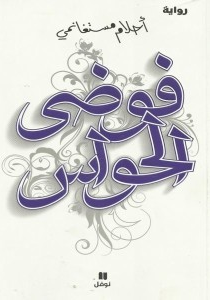
فوضى الحواس PDF - Ahlam Mosteghanemi
Ahlam Mosteghanemi • Literary novels • 750 Pages
(0)
Author
Ahlam MosteghanemiCategory
literatureSection
Number Of Downloads
58
Number Of Reads
206
File Size
4.56 MB
Views
1,555
Quate
Review
Save
Share
Book Description
رواية «فوضى الحواس» للكاتبة الجزائرية أحلام مستغانمي هي عمل روائي عربي صدر عام 1997، وتُذكر بياناته الببليوغرافية المتداولة على أنه صادر عن دار نوفل للنشر، مع وجود طبعات لاحقة ومتداولة لدى ناشرين مثل دار الآداب ومكتبة أنطوان/هاشيت أنطوان. وتُعد الرواية الجزء الثاني من ثلاثية أحلام مستغانمي الشهيرة التي تبدأ بـ«ذاكرة الجسد» وتستكمل لاحقًا بـ«عابر سرير»، وقد نُشرت باللغة العربية وتدور في فضاء جزائري مشبع بالذاكرة والحب والسياسة وأسئلة الكتابة والهوية.
في «فوضى الحواس»، تواصل أحلام مستغانمي بناء عالمها الروائي القائم على التداخل بين الواقع والمتخيّل، وبين الجسد والذاكرة، وبين العاطفة والتاريخ. لا تقدّم الرواية حكاية حب تقليدية، بل تنسج علاقة مرتبكة بين امرأة تكتب، ورجل يظهر كأنه خرج من نص سابق أو من حلم مؤجل. البطلة، وهي كاتبة تعيش صراعًا داخليًا بين حياتها الواقعية وما تخلقه في الكتابة، تجد نفسها أمام رجل يشبه الشخصية التي صنعتها أو انتظرتها، فتبدأ الحدود في التلاشي بين ما كُتب وما يحدث فعلًا.
تبدأ فوضى الرواية من سؤال جوهري: هل نعيش ما نكتبه، أم نكتب ما لم نستطع عيشه؟ من هذا السؤال تنطلق أحلام مستغانمي لتصنع نصًا قائمًا على الالتباس. البطلة لا تلاحق رجلًا فقط، بل تلاحق معنى الحب حين يصبح جزءًا من الذاكرة السياسية والشخصية. الرجل الذي تقابله ليس مجرد حبيب محتمل، بل صورة مركبة من الغياب والرغبة والخوف، ومن تاريخ بلد خرج من الاستعمار ليواجه جراحًا أخرى. لذلك تتحول العلاقة بينهما إلى مرآة لحالة أوسع: مجتمع مضطرب، مدينة مثقلة بالماضي، وامرأة تحاول أن تفهم ذاتها عبر الكتابة.
تستعيد الرواية أجواء الجزائر، ولا سيما قسنطينة بوصفها مكانًا رمزيًا حاضرًا في أدب أحلام مستغانمي. فالمدينة ليست خلفية محايدة، بل ذاكرة حيّة تحمل آثار النضال، والعائلة، والخسارات القديمة. من خلال هذا الفضاء، تربط «فوضى الحواس» بين الحب الفردي والتاريخ الجماعي، وتكشف كيف يمكن للعاطفة أن تكون مشبعة بالسياسة حتى عندما تبدو شخصية وحميمة. وتمنح الكاتبة للحواس دورًا واضحًا في السرد؛ فالنظر، والصوت، واللمس، والصمت، كلها تتحول إلى أدوات معرفة وارتباك في آن واحد.
أبرز ما يميز الرواية هو أسلوبها اللغوي المكثف والشاعري. أحلام مستغانمي لا تعتمد على الحدث وحده، بل على الإيقاع الداخلي للجملة، وعلى التأملات التي تجعل القارئ يعيش حالة البطلة النفسية. ولهذا تبدو «فوضى الحواس» رواية عن الكتابة بقدر ما هي رواية عن الحب؛ فهي تكشف طقوس السرد، وتضع القارئ داخل لعبة بين المؤلفة والشخصية والنص. وقد أشارت دراسات نقدية إلى حضور تقنيات مثل الميتاسرد، وتعدد الأصوات، والتداخل بين الواقعي والخيالي في هذه الرواية.
تتصاعد الحبكة حين تصبح البطلة عاجزة عن الفصل بين الرجل الواقعي والرجل المتخيّل. كل لقاء أو تفصيل يفتح بابًا جديدًا للشك: هل هو مصادفة، أم قدر، أم خدعة من خدع الكتابة؟ ومع هذا الارتباك، لا تسعى الرواية إلى حل بسيط، بل تجعل الفوضى نفسها موضوعًا للسرد. فالحواس هنا لا تقود إلى اليقين، بل إلى مزيد من الأسئلة حول الحب، والوفاء، والخيانة، والحرية، والذاكرة.
في النهاية، يمكن قراءة «فوضى الحواس» بوصفها رواية عن امرأة تحاول أن تستعيد سيادتها على حياتها ونصها، لكنها تكتشف أن الكتابة ليست دائمًا وسيلة للسيطرة، بل قد تكون بابًا لفقدان التوازن. إنها رواية عن الحب حين يختلط بالوطن، وعن الذاكرة حين تتحول إلى قدر، وعن اللغة حين تصبح الملاذ الوحيد أمام الفقد. وبفضل حضور أحلام مستغانمي وأسلوبها المميز، بقيت «فوضى الحواس» من الأعمال العربية البارزة لدى قرّاء الرواية العاطفية والسياسية الحديثة.
Ahlam Mosteghanemi
Ahlam Mosteghanemi is an Algerian novelist, poet, and literary figure whose work occupies a distinguished place in modern Arabic literature, especially for readers interested in Arabic fiction, women’s writing, memory, exile, love, and the history of postcolonial Algeria. Born in Tunis during a period marked by the Algerian struggle for independence, she grew up within a family and national atmosphere shaped by displacement, political commitment, and the dream of return. This background became a powerful emotional and intellectual foundation for her writing, giving her novels a rare ability to connect private passion with collective history. She is widely known for writing in Arabic with an intense poetic style, and her name is strongly associated with the renewal of the Arabic novel through language that is lyrical, symbolic, and emotionally charged. Her breakthrough novel, Memory in the Flesh, established her as one of the most important Arabic-language novelists of her generation. The novel turns the body into a metaphor for the wounded homeland and transforms a love story into a meditation on revolution, loss, memory, and betrayal. Through this work and the novels that followed, including Chaos of the Senses, Bed Hopper, and Black Suits You So Well, Mosteghanemi developed a literary universe where love is never merely personal; it is tied to nation, language, history, dignity, and the burdens of memory. Her fiction is often read for its romantic intensity, yet its deeper strength lies in the way it examines the contradictions of the Arab world: the tension between idealism and disappointment, belonging and exile, desire and restraint, liberation and disillusionment. Ahlam Mosteghanemi’s prose is instantly recognizable because it gives each sentence a musical and aphoristic quality, often making her writing memorable beyond the boundaries of the novel itself. She has reached a broad readership while maintaining a serious literary identity, a combination that has made her one of the most widely read Arab authors and a frequent point of reference in discussions of contemporary Arabic literature. Her importance also lies in the way she placed the female voice at the center of historical narration. In her work, women are not passive figures placed inside national history; they are active witnesses, thinkers, lovers, and narrators who question inherited ideas about identity, loyalty, and freedom. This makes her writing particularly significant for readers exploring Arab women’s literature and feminist perspectives in Arabic fiction. At the same time, Mosteghanemi’s novels resist simple classification. They are political without being conventional political novels, romantic without being limited to romance, and poetic without abandoning narrative structure. Her use of Algeria as both a real country and a symbolic landscape gives her books a layered quality: the city, the body, the memory, and the beloved often mirror one another. This ability to merge personal emotion with national trauma explains the lasting influence of her work. She has also written essays and reflective texts that extend her interest in love, forgetting, language, and emotional survival, including works connected to the theme of forgetting and the art of detachment. For book websites, author pages, and literary catalogs, Ahlam Mosteghanemi can be described as a writer who transformed the Arabic novel into a space where history speaks through passion and where memory becomes both a wound and a form of resistance. Her legacy is not only in the popularity of her books, but also in the distinctive voice she created: elegant, intense, wounded, proud, and deeply attached to the Arabic language as a home for identity and beauty.
Earn Rewards While Reading!
Every 10 pages you read and spent 30 seconds on every page, earns you 5 reward points! Keep reading to unlock achievements and exclusive benefits.
Read
Rate Now
5 Stars
4 Stars
3 Stars
2 Stars
1 Stars
فوضى الحواس Quotes
Top Rated
Latest
Quate
Be the first to leave a quote and earn 10 points
instead of 3
'%20/%3e%3c/svg%3e "أكاذيب سمكة")
Comments
Be the first to leave a comment and earn 5 points
instead of 3