

The source of the book
This book is published for the public benefit under a Creative Commons license, or with the permission of the author or publisher. If you have any objections to its publication, please contact us.
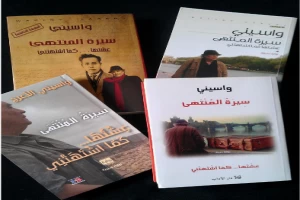
سيرة المنتهى عشتها ... كما اشتهتني PDF - wasini al'aeraj
wasini al'aeraj • Literary novels • 497 Pages
(0)
Author
wasini al'aerajCategory
literatureSection
Number Of Downloads
41
Number Of Reads
74
File Size
3.34 MB
Views
733
Quate
Review
Save
Share
Book Description
واسيني الأعرج، أحد أبرز الروائيين العرب المعاصرين، قدّم في كتاب "سيرة المنتهى... عشتها كما اشتهتني" عملاً يجمع بين السيرة الذاتية والتأمل الفكري والكتابة الأدبية. صدر الكتاب باللغة العربية عن دار الآداب، ويقدّم للقارئ رحلة إنسانية وفكرية يستعيد فيها الكاتب محطات من حياته، متوقفًا عند التجارب التي شكّلت وعيه ومسيرته الإبداعية، بعيدًا عن الأسلوب التقليدي للسير الذاتية التي تكتفي بسرد الأحداث زمنياً.
يعتمد الكتاب على لغة أدبية شاعرية تمزج بين الذاكرة والخيال، فيروي واسيني الأعرج تفاصيل من طفولته ونشأته في الجزائر، وتأثير التحولات السياسية والاجتماعية على حياته، إضافة إلى سنوات الدراسة والكتابة والسفر، والعلاقة المعقدة بين الإنسان والذاكرة والوطن والمنفى. ولا يقتصر العمل على استعادة الماضي، بل يحوّل التجربة الشخصية إلى تأملات في الهوية، والكتابة، والحب، والفقد، والزمن، مما يمنح النص بعدًا إنسانيًا يتجاوز خصوصية السيرة الذاتية.
الفكرة الأساسية للكتاب تتمثل في أن حياة الإنسان ليست مجرد تسلسل للأحداث، بل هي حصيلة الذكريات والانكسارات والاختيارات التي تصنع هويته. ومن خلال هذا المنظور، يحاول المؤلف فهم ذاته وماضيه، ويكشف للقارئ كيف تتداخل التجربة الشخصية مع التاريخ الجمعي، وكيف تصبح الكتابة وسيلة لمقاومة النسيان وحفظ ما يهدده الزمن بالاندثار.
لا يعتمد الكتاب على حبكة روائية تقليدية، وإنما يتنقل بين محطات زمنية مختلفة بأسلوب حر، فتتشابك الذكريات مع التأملات، وتظهر شخصيات تركت أثرًا في حياة الكاتب، إلى جانب الحديث عن المدن التي عاش فيها، والكتب التي أثرت في تكوينه، والظروف التي رافقت مسيرته الأدبية. هذا البناء يمنح النص طابعًا حميميًا، ويجعل القارئ يشعر وكأنه يرافق الكاتب في رحلة داخل الذاكرة أكثر من متابعته لسرد تاريخي مباشر.
يناسب هذا الكتاب القراء المهتمين بالسير الذاتية الأدبية، وعشاق أعمال واسيني الأعرج، وكل من يفضل النصوص التي تمزج بين الأدب والفكر والتأمل. كما سيكون خيارًا جيدًا لطلاب الأدب العربي والباحثين في الكتابة السيرية، بينما قد لا يناسب من يبحث عن أحداث متسارعة أو حبكة روائية قائمة على التشويق.
من أبرز نقاط قوة الكتاب لغته العربية الرفيعة، وثراء صوره البلاغية، وقدرته على تحويل التفاصيل اليومية إلى لحظات ذات دلالة إنسانية عميقة. كذلك يتميز بصدق التجربة وعمق التأملات الفكرية، مما يمنح القارئ فرصة للتعرف إلى العالم الداخلي للمؤلف. في المقابل، قد يجد بعض القراء أن كثافة اللغة والاستطرادات الفكرية تُبطئ إيقاع القراءة، كما أن التنقل المستمر بين الأزمنة يتطلب قدرًا من التركيز.
ما يميز "سيرة المنتهى... عشتها كما اشتهتني" عن كثير من كتب السيرة الذاتية العربية هو أنه لا يكتفي بتوثيق حياة صاحبه، بل يحولها إلى عمل أدبي قائم بذاته، تتداخل فيه الحقيقة مع الرؤية الفنية، ويصبح السؤال عن الذاكرة والهوية أهم من مجرد تسجيل الوقائع. وهذا ما يمنح الكتاب قيمة أدبية إلى جانب قيمته التوثيقية.
ينتمي الكتاب إلى سياق ثقافي يرتبط بتاريخ الجزائر الحديث وتجربة جيل عاش تحولات سياسية وثقافية عميقة، كما يعكس اهتمام واسيني الأعرج الدائم بقضايا الهوية والمنفى والذاكرة، وهي موضوعات تتكرر في معظم أعماله الروائية. لذلك يمكن اعتباره مدخلًا مناسبًا لفهم رؤيته الأدبية والفكرية، وليس مجرد سرد لسيرته الشخصية.
أما من حيث الجوائز، فلا يُعرف أن هذا الكتاب نفسه حصل على جائزة أدبية مستقلة، رغم أن مؤلفه واسيني الأعرج حاز خلال مسيرته العديد من التكريمات والجوائز العربية والدولية تقديرًا لإسهامه في الأدب العربي.
في المجمل، يُعد "سيرة المنتهى... عشتها كما اشتهتني" كتابًا جديرًا بالقراءة لكل من يبحث عن سيرة ذاتية مكتوبة بروح روائية ولغة أدبية راقية. فهو يقدم تجربة إنسانية صادقة، وتأملات عميقة في معنى الحياة والكتابة والذاكرة، ويمنح القارئ فرصة للتعرف إلى أحد أبرز الأصوات الروائية العربية من خلال حكايته الشخصية، التي تتحول في كثير من صفحاتها إلى حكاية جيل كامل عاش بين الأمل والانكسار، وبين التشبث بالوطن والانفتاح على العالم.
wasini al'aeraj
Waciny Laredj is one of the most distinguished contemporary Algerian novelists, intellectuals, and academics in the Arab world. Born on August 8, 1954, in Tlemcen, Algeria, he grew up during a period marked by political struggles and the aftermath of French colonial rule. These historical and cultural experiences profoundly influenced his literary vision, making history, memory, identity, exile, and cultural heritage central themes in his works.
Laredj pursued higher education in Arabic language and literature, eventually earning a doctorate in modern Arabic literature. Throughout his academic career, he has taught at several prestigious universities in Algeria and abroad, contributing significantly to the study of Arabic literature. In addition to his work as a professor, he has participated in numerous international literary conferences and cultural forums, earning recognition as both a scholar and a creative writer.
Waciny Laredj is celebrated for his unique narrative style, which combines historical facts with fiction, poetic language, and philosophical reflection. His novels often blur the boundaries between reality and imagination, inviting readers to explore complex human emotions and historical events from fresh perspectives. Rather than presenting history as a fixed sequence of events, he reimagines it through the lives and memories of his characters, giving voice to individuals who have often been overlooked or forgotten.
One of the defining characteristics of Laredj’s writing is his exploration of identity. His characters frequently struggle with questions of belonging, displacement, and cultural conflict. These themes reflect not only Algeria’s colonial history and its search for national identity but also broader human experiences shared by people across different cultures. His works emphasize the importance of preserving memory while embracing dialogue between civilizations.
Among his most acclaimed novels are The Book of the Emir, The House of Andalusian Longing, and The Lady of the Stations. These works have received widespread praise for their literary depth, historical richness, and emotional resonance. Many of his novels have been translated into English, French, Spanish, Italian, German, Persian, Turkish, and several other languages, allowing readers around the world to appreciate his contribution to world literature.
Laredj’s literary achievements have earned him numerous awards and honors. His novels have frequently appeared on the longlists and shortlists of major Arab literary prizes, and he is widely regarded as one of the leading voices of modern Arabic fiction. Critics admire his ability to weave together historical research, lyrical prose, and psychological insight, creating narratives that are both intellectually stimulating and emotionally engaging.
A recurring subject in his writing is the relationship between history and memory. He believes that literature serves as a bridge between the past and the present, enabling societies to reflect upon their collective experiences. Through his novels, readers encounter historical figures, artists, political leaders, and ordinary people whose stories illuminate the complexities of human existence. His narratives encourage readers to question official historical accounts and consider multiple perspectives.
Another notable aspect of Waciny Laredj’s work is his commitment to intercultural dialogue. Having lived and taught in different countries, he has developed a cosmopolitan outlook that values diversity, tolerance, and mutual understanding. His fiction frequently explores encounters between Eastern and Western cultures, highlighting both tensions and possibilities for coexistence. This global perspective has made his works relevant not only to Arab readers but also to international audiences interested in themes of migration, identity, and cultural exchange.
In addition to fiction, Laredj has contributed extensively to literary criticism and cultural studies. He has written essays examining the evolution of the Arabic novel, the relationship between literature and history, and the challenges facing contemporary Arab writers. His academic background enriches his creative work, allowing him to combine rigorous scholarship with artistic imagination.
Today, Waciny Laredj is considered one of the most influential figures in modern Arabic literature. His novels continue to inspire readers, students, and researchers through their rich storytelling, profound philosophical insights, and compassionate portrayal of the human condition. By blending history, memory, imagination, and poetic language, he has created a distinctive literary voice that transcends national boundaries. His enduring contribution to Arabic and world literature reflects his dedication to preserving cultural heritage while encouraging dialogue, understanding, and hope among diverse communities.
Earn Rewards While Reading!
Every 10 pages you read and spent 30 seconds on every page, earns you 5 reward points! Keep reading to unlock achievements and exclusive benefits.
Read
Rate Now
5 Stars
4 Stars
3 Stars
2 Stars
1 Stars
سيرة المنتهى عشتها ... كما اشتهتني Quotes
Top Rated
Latest
Quate
Be the first to leave a quote and earn 10 points
instead of 3
'%20/%3e%3c/svg%3e "مرايا الضرير")
Comments
Be the first to leave a comment and earn 5 points
instead of 3