

The source of the book
This book is published for the public benefit under a Creative Commons license, or with the permission of the author or publisher. If you have any objections to its publication, please contact us.
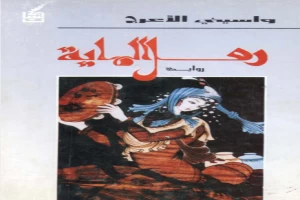
رمل الماية PDF - wasini al'aeraj
wasini al'aeraj • Literary novels • 422 Pages
(0)
Author
wasini al'aerajCategory
literatureSection
Number Of Downloads
61
Number Of Reads
86
File Size
10.89 MB
Views
1,154
Quate
Review
Save
Share
Book Description
واسيني الأعرج هو أحد أبرز الروائيين الجزائريين المعاصرين، وقد اشتهر بأعماله التي تمزج بين التاريخ والذاكرة والأسئلة الإنسانية بأسلوب أدبي رفيع. تُعد رواية رمل الماية من أعماله الروائية التي تعكس اهتمامه بالهوية والذاكرة والتحولات الاجتماعية والسياسية في الجزائر. صدرت الرواية باللغة العربية عن منشورات الجمل، وتتناول قضايا الإنسان والمكان من خلال سرد يجمع بين الواقعية والبعد الرمزي، وهو ما يميز جزءًا كبيرًا من مشروع واسيني الأعرج الروائي.
تدور الفكرة الأساسية في رمل الماية حول العلاقة المعقدة بين الإنسان والماضي، وكيف تؤثر الذاكرة في تشكيل الحاضر والمستقبل. يستكشف الكاتب آثار التحولات السياسية والاجتماعية على الأفراد، ويطرح تساؤلات عميقة حول الانتماء، والحنين، والخسارة، والبحث عن الذات. لا تعتمد الرواية على الأحداث المتسارعة بقدر اعتمادها على بناء الشخصيات واستحضار الذكريات، مما يمنحها طابعًا تأمليًا وإنسانيًا.
تتطور أحداث الرواية عبر رحلة شخصياتها في مواجهة ماضيها، حيث تتشابك الحكايات الشخصية مع الأحداث العامة، في صورة تعكس تعقيدات المجتمع الجزائري. يستخدم واسيني الأعرج تقنيات السرد المتداخل والانتقال بين الأزمنة، فيكشف تدريجيًا عن دوافع الشخصيات وصراعاتها الداخلية دون الاعتماد على حبكة تقليدية مباشرة. ويمنح المكان حضورًا لافتًا، إذ يصبح جزءًا من الذاكرة الجماعية ورمزًا للتحولات التي عاشها المجتمع.
يناسب كتاب رمل الماية القراء الذين يفضلون الروايات الأدبية العميقة ذات البعد الفكري والنفسي، خاصة المهتمين بالأدب الجزائري والعربي الحديث. كما يستهوي القراء الذين يستمتعون بالروايات التي تركز على الشخصيات، واللغة الأدبية الثرية، والأسئلة الفلسفية أكثر من اعتمادها على التشويق أو الإثارة.
من أبرز نقاط قوة الرواية أسلوب واسيني الأعرج اللغوي، الذي يتميز بالشاعرية والدقة والقدرة على رسم صور أدبية مؤثرة. كما ينجح في بناء شخصيات متعددة الأبعاد، ويقدم معالجة إنسانية لقضايا الهوية والذاكرة بعيدًا عن الأحكام المباشرة. كذلك يمنح السرد مساحة واسعة للتأمل، مما يجعل القارئ شريكًا في اكتشاف المعاني الكامنة وراء الأحداث.
في المقابل، قد يرى بعض القراء أن الإيقاع هادئ نسبيًا، وأن كثافة اللغة والانتقال المستمر بين الأزمنة يتطلبان تركيزًا وصبرًا. لذلك قد لا تكون الرواية الخيار الأنسب لمن يبحث عن أحداث متلاحقة أو حبكة تعتمد على التشويق السريع.
ما يميز رمل الماية عن كثير من الروايات العربية المشابهة هو قدرة واسيني الأعرج على المزج بين التاريخ والخيال والذاكرة الفردية والجماعية في نسيج سردي واحد. فهو لا يكتفي بسرد الوقائع، بل يحولها إلى تجربة إنسانية تتجاوز حدود الزمان والمكان، مع اهتمام واضح بجمالية اللغة وعمق البناء الفني.
تأتي الرواية ضمن السياق الثقافي والفكري للأدب الجزائري الذي انشغل بتوثيق آثار الاستعمار، والتحولات الاجتماعية، وأسئلة الهوية الوطنية، والعلاقة بين الماضي والحاضر. وتُعد مثالًا على الرواية العربية الحديثة التي توظف تقنيات سردية معاصرة لمعالجة قضايا إنسانية عامة، وهو ما جعل أعمال واسيني الأعرج تحظى باهتمام نقدي واسع داخل العالم العربي وخارجه.
أما فيما يتعلق بالجوائز، فلا تُعرف رمل الماية بحصولها على جائزة أدبية مستقلة، إلا أن مؤلفها واسيني الأعرج حصد خلال مسيرته الأدبية العديد من الجوائز والتكريمات، ونالت أعماله حضورًا بارزًا في قوائم الجوائز العربية والدولية، مما عزز مكانته بوصفه أحد أهم الأصوات الروائية في الأدب العربي المعاصر.
في المجمل، تستحق رمل الماية القراءة لمن يبحث عن رواية أدبية تجمع بين جمال اللغة وعمق الفكرة، وتقدم تأملًا غنيًا في الذاكرة والهوية والإنسان. ورغم أنها تتطلب قراءة متأنية بسبب أسلوبها المكثف وبنيتها السردية، فإنها تكافئ القارئ بتجربة أدبية وفكرية ثرية تظل آثارها حاضرة بعد الانتهاء منها.
wasini al'aeraj
Waciny Laredj is one of the most distinguished contemporary Algerian novelists, intellectuals, and academics in the Arab world. Born on August 8, 1954, in Tlemcen, Algeria, he grew up during a period marked by political struggles and the aftermath of French colonial rule. These historical and cultural experiences profoundly influenced his literary vision, making history, memory, identity, exile, and cultural heritage central themes in his works.
Laredj pursued higher education in Arabic language and literature, eventually earning a doctorate in modern Arabic literature. Throughout his academic career, he has taught at several prestigious universities in Algeria and abroad, contributing significantly to the study of Arabic literature. In addition to his work as a professor, he has participated in numerous international literary conferences and cultural forums, earning recognition as both a scholar and a creative writer.
Waciny Laredj is celebrated for his unique narrative style, which combines historical facts with fiction, poetic language, and philosophical reflection. His novels often blur the boundaries between reality and imagination, inviting readers to explore complex human emotions and historical events from fresh perspectives. Rather than presenting history as a fixed sequence of events, he reimagines it through the lives and memories of his characters, giving voice to individuals who have often been overlooked or forgotten.
One of the defining characteristics of Laredj’s writing is his exploration of identity. His characters frequently struggle with questions of belonging, displacement, and cultural conflict. These themes reflect not only Algeria’s colonial history and its search for national identity but also broader human experiences shared by people across different cultures. His works emphasize the importance of preserving memory while embracing dialogue between civilizations.
Among his most acclaimed novels are The Book of the Emir, The House of Andalusian Longing, and The Lady of the Stations. These works have received widespread praise for their literary depth, historical richness, and emotional resonance. Many of his novels have been translated into English, French, Spanish, Italian, German, Persian, Turkish, and several other languages, allowing readers around the world to appreciate his contribution to world literature.
Laredj’s literary achievements have earned him numerous awards and honors. His novels have frequently appeared on the longlists and shortlists of major Arab literary prizes, and he is widely regarded as one of the leading voices of modern Arabic fiction. Critics admire his ability to weave together historical research, lyrical prose, and psychological insight, creating narratives that are both intellectually stimulating and emotionally engaging.
A recurring subject in his writing is the relationship between history and memory. He believes that literature serves as a bridge between the past and the present, enabling societies to reflect upon their collective experiences. Through his novels, readers encounter historical figures, artists, political leaders, and ordinary people whose stories illuminate the complexities of human existence. His narratives encourage readers to question official historical accounts and consider multiple perspectives.
Another notable aspect of Waciny Laredj’s work is his commitment to intercultural dialogue. Having lived and taught in different countries, he has developed a cosmopolitan outlook that values diversity, tolerance, and mutual understanding. His fiction frequently explores encounters between Eastern and Western cultures, highlighting both tensions and possibilities for coexistence. This global perspective has made his works relevant not only to Arab readers but also to international audiences interested in themes of migration, identity, and cultural exchange.
In addition to fiction, Laredj has contributed extensively to literary criticism and cultural studies. He has written essays examining the evolution of the Arabic novel, the relationship between literature and history, and the challenges facing contemporary Arab writers. His academic background enriches his creative work, allowing him to combine rigorous scholarship with artistic imagination.
Today, Waciny Laredj is considered one of the most influential figures in modern Arabic literature. His novels continue to inspire readers, students, and researchers through their rich storytelling, profound philosophical insights, and compassionate portrayal of the human condition. By blending history, memory, imagination, and poetic language, he has created a distinctive literary voice that transcends national boundaries. His enduring contribution to Arabic and world literature reflects his dedication to preserving cultural heritage while encouraging dialogue, understanding, and hope among diverse communities.
Earn Rewards While Reading!
Every 10 pages you read and spent 30 seconds on every page, earns you 5 reward points! Keep reading to unlock achievements and exclusive benefits.
Read
Rate Now
5 Stars
4 Stars
3 Stars
2 Stars
1 Stars
رمل الماية Quotes
Top Rated
Latest
Quate
Be the first to leave a quote and earn 10 points
instead of 3
'%20/%3e%3c/svg%3e "مرايا الضرير")
Comments
Be the first to leave a comment and earn 5 points
instead of 3