

The source of the book
This book is published for the public benefit under a Creative Commons license, or with the permission of the author or publisher. If you have any objections to its publication, please contact us.
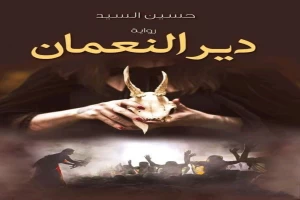
دير النعمان PDF - Hussein Elsayed
Hussein Elsayed • Horror novels • 237 Pages
(0)
Author
Hussein ElsayedCategory
literatureSection
Number Of Downloads
91
Number Of Reads
69
File Size
1.34 MB
Views
1,559
Quate
Review
Save
Share
Book Description
رواية دير النعمان للكاتب حسين السيد هي عمل عربي ينتمي إلى أجواء الرعب والغموض والتشويق، صدرت عام 2021 عن دار ن للنشر والتوزيع، وتقع في نحو 236 صفحة بحسب بيانات الناشر ومنصات الكتب. وتُقدَّم الرواية بوصفها حكاية عن مكان معزول لا يعرفه الناس جيدًا، وعن طبيب شاب يصل إليه محمّلًا بخيباته ومخاوفه، ليجد نفسه أمام أسرار أعمق مما توقع.
تدور رواية دير النعمان حول الدكتور فتحي عبد الوهاب، وهو طبيب يذهب إلى بلدة بعيدة وغامضة للعمل في وحدتها الصحية. لا تبدو البلدة مكانًا عاديًا منذ اللحظة الأولى؛ فلا أحد يعرف موقعها بدقة، ولا يرغب السائقون في الذهاب إليها، وكأن اسمها وحده يكفي لإثارة الحذر. ينجح فتحي في الوصول بمساعدة سائق سكير، لكنه لا يذهب إلى هناك بدافع المغامرة، بل لأنه يريد الهرب من عالمه القديم ومن آلام شخصية تثقل روحه.
تبدأ الرواية من فكرة مألوفة في أدب الرعب: شخص غريب يدخل مكانًا منغلقًا على أسراره. لكن حسين السيد يبني التوتر تدريجيًا من خلال العزلة، والغرابة، وشعور البطل بأنه مراقَب أو غير مرحّب به. بلدة دير النعمان ليست مجرد خلفية للأحداث، بل تبدو كأنها شخصية قائمة بذاتها؛ قرية بدائية مليئة بالحكايات الغرائبية، يسكنها ناس يحملون صمتًا مريبًا، وتتحرك فيها الخرافة جنبًا إلى جنب مع الواقع اليومي. وتوضح بعض النبذات المنشورة عن الرواية أن فتحي، الطبيب المنتدب، يجد حياته تتبدل رأسًا على عقب بمجرد دخوله هذا العالم المغلق.
في ملخص رواية دير النعمان، يواجه الدكتور فتحي سلسلة من العلامات والأسئلة التي لا يجد لها تفسيرًا واضحًا. لماذا يخاف الناس من البلدة؟ ما طبيعة الأسرار التي تحيط بها؟ ولماذا يبدو الوصول إليها أشبه بالعبور إلى منطقة منسية خارج الزمن؟ مع تقدّم الأحداث، لا يظل البطل مجرد طبيب يؤدي عمله في وحدة صحية، بل يتحول إلى شاهد ومشارك في مغامرة مظلمة تمس خوفه الشخصي وتدفعه إلى مواجهة ما حاول الهرب منه.
تعتمد الرواية على مزج الرعب النفسي بالغموض الشعبي. فالرعب هنا لا يأتي فقط من ظهور خطر مباشر، بل من الإحساس المستمر بأن هناك شيئًا خاطئًا في المكان: عادات غير مفهومة، حكايات متوارثة، وسكان يعرفون أكثر مما يقولون. ويظهر من وصف الرواية أن دير النعمان ترتبط بماضٍ غامض، وبأسرار قديمة تجعل البلدة محاطة بهالة من اللعنة أو الخطر، وهو ما يضع فتحي أمام صراع بين منطقه كطبيب وبين ما يراه ويسمعه من أمور لا تخضع بسهولة للتفسير العلمي.
شخصية الدكتور فتحي عبد الوهاب تمنح الرواية بعدها الإنساني. فهو ليس بطلًا خارقًا، بل إنسان هارب من خيبة وألم، ويبحث عن بداية جديدة في مكان بعيد. لكن المكان الذي ظنه ملاذًا يتحول إلى اختبار قاسٍ، إذ يجبره على مواجهة خوفه من المجهول، وربما خوفه من نفسه أيضًا. هذه النقطة تجعل دير النعمان أكثر من رواية رعب تقليدية؛ فهي تستخدم الغموض والقرية المعزولة لتصوير الهشاشة الإنسانية عندما يجد المرء نفسه وحيدًا في بيئة لا يفهم قوانينها.
تصلح رواية دير النعمان للقراء الذين يفضلون الروايات العربية ذات الأجواء الثقيلة، وال
Hussein Elsayed
Hussein El Sayed is remembered as one of Egypt’s most influential lyricists and one of the defining literary voices behind the golden age of modern Arabic song. Born in 1916 and active during a period when Egyptian music, cinema, radio, and popular culture were expanding across the Arab world, he helped give the sung word a new artistic status. His career shows how a lyricist can become an author in the broad cultural sense: not only someone who writes verses, but someone who shapes emotion, public memory, and the language through which generations understand love, longing, joy, loss, and national feeling. Hussein El Sayed’s writing was closely connected to performance, yet it also carried the qualities of strong literary craft. He understood that a song lyric must sound natural when spoken, graceful when sung, and memorable when repeated by ordinary listeners. For this reason, his language often appears simple at first glance, but that simplicity is the result of careful control. He used clear emotional situations, rhythmic phrasing, vivid but accessible images, and a dramatic sense of progression that allowed a song to grow from a private feeling into a shared experience. His words were not distant from everyday life; they came from the speech, humor, tenderness, and emotional directness of Egyptian culture, while still preserving elegance and poetic value. Hussein El Sayed became especially associated with major figures of twentieth-century Arabic music, including Mohamed Abdel Wahab, Abdel Halim Hafez, Farid Al Atrash, Fayza Ahmed, Nagat Al Saghira, and other leading artists whose voices carried his lyrics to millions. His collaboration with Mohamed Abdel Wahab was particularly important, because it placed his name at the center of a sophisticated musical environment where melody, cinema, and poetry worked together. He also wrote for musical films and screen performances, which required a special talent: the lyric had to serve the story, reveal character, and fit the mood of the scene, while still standing on its own as a memorable song. This connection with cinema helped make his work part of popular life, not only part of literary or musical circles. One of the strongest features of Hussein El Sayed’s style is his ability to balance intimacy with universality. He could write a line that sounded like a personal confession, yet listeners from different backgrounds could recognize themselves in it. His themes included romantic devotion, playful affection, separation, nostalgia, reconciliation, social cheerfulness, and patriotic pride. He wrote in a form of Egyptian Arabic that was musical, polished, and emotionally direct, proving that colloquial language could carry high artistic expression when handled by a gifted writer. His lyrics also reveal a keen awareness of structure. He knew when to repeat, when to surprise, when to soften an emotion, and when to intensify it. That skill made his songs highly suitable for composers and singers, and it explains why many of them remained alive in collective memory. Although Hussein El Sayed was not primarily known as a novelist or a traditional book author, his contribution to Arabic letters is substantial because lyric writing is a major branch of modern literary expression. He gave the Arabic song a narrative voice, a theatrical presence, and a poetic texture that influenced later generations of songwriters. His death in 1983 marked the end of a remarkable career, but his artistic legacy continues through recordings, films, radio archives, and the lasting admiration of listeners. For readers interested in Arabic music, Egyptian cultural history, or the literary art of songwriting, Hussein El Sayed remains an essential figure whose work demonstrates the power of clear language, sincere feeling, and disciplined imagination.
Earn Rewards While Reading!
Every 10 pages you read and spent 30 seconds on every page, earns you 5 reward points! Keep reading to unlock achievements and exclusive benefits.
Read
Rate Now
5 Stars
4 Stars
3 Stars
2 Stars
1 Stars
دير النعمان Quotes
Top Rated
Latest
Quate
Be the first to leave a quote and earn 10 points
instead of 3
'%20/%3e%3c/svg%3e "قربان بشري")
Comments
Be the first to leave a comment and earn 5 points
instead of 3