

The source of the book
This book is published for the public benefit under a Creative Commons license, or with the permission of the author or publisher. If you have any objections to its publication, please contact us.
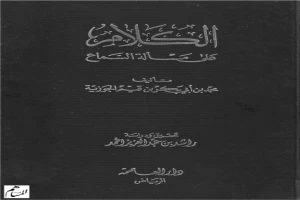
الكلام على مسألة السماع PDF - Ibn Qayyim Al-Jawzia
Ibn Qayyim Al-Jawzia • Islam • 1,062 Pages
(0)
Author
Ibn Qayyim Al-JawziaCategory
ReligionsSection
Number Of Downloads
47
Number Of Reads
63
File Size
11.64 MB
Views
1,090
Quate
Review
Save
Share
Book Description
كتاب «الكلام على مسألة السماع» ليس رواية، بل مصنَّف فقهي وعقدي يتناول حكم السماع والغناء وما يتصل بهما من أدلة واعتراضات ومناقشات. مؤلف الكتاب هو شمس الدين ابن قيم الجوزية، واسمه أبو عبد الله محمد بن أبي بكر بن أيوب ابن قيم الجوزية، المولود سنة 691هـ والمتوفى سنة 751هـ. وفي الطبعة المحققة المتداولة ضمن «آثار الإمام ابن قيم الجوزية وما لحقها من أعمال»، صدر الكتاب بتحقيق محمد عزير شمس، ومراجعة محمد أجمل الإصلاحي وعبد الرحمن بن حسن بن قائد، عن دار عطاءات العلم في الرياض ودار ابن حزم في بيروت، في الطبعة الثالثة سنة 1440هـ/2019م، وتقع هذه الطبعة في 447 صفحة.
يدور كتاب «الكلام على مسألة السماع» حول سؤال فقهي كبير شغل العلماء والمتعبدين، وهو: ما حكم السماع الذي يقصد به الغناء والألحان وما يصاحبهما من اللهو أو الطرب؟ وقد جاء الكتاب في أصله جوابًا موسعًا من ابن القيم على مسألة محددة، حتى صار الجواب مؤلفًا مستقلًا في بابه. وتشير مقدمة التحقيق إلى أن جواب ابن القيم كان أطول الأجوبة في تلك المسألة، حتى وصفه الناسخ بأنه «مصنَّف مستقل عظيم في خصوصية هذه المسألة».
يعالج ابن القيم المسألة بمنهجه المعروف القائم على الجمع بين النصوص الشرعية، والنظر في مقاصد الشريعة، وتحليل آثار الأعمال على القلب والسلوك. لذلك لا يكتفي الكتاب بإصدار حكم مختصر، بل يبني موقفه من خلال مناقشة الأدلة، والرد على شبهات المبيحين، والتفريق بين ما يكون من سماع مباح كالشعر الخالي من المحظور، وما يراه المؤلف سماعًا مذمومًا إذا اقترن باللهو أو صرف القلب عن القرآن والعبادة. وتظهر في الكتاب عناية واضحة بترتيب الحجة، إذ يبدأ المؤلف بتأكيد وجوب الرجوع إلى الله والرسول عند التنازع، ثم يربط القضية بمفهوم الاتباع وترك الهوى.
ومن أهم ما يلخص مضمون الكتاب أن ابن القيم ينظر إلى السماع لا باعتباره صوتًا مجردًا فقط، بل باعتباره ممارسة لها أثر في النفس. فهو يناقش علاقة الغناء بالشهوة، وبالعادة، وبالانشغال عن معاني القرآن، كما يقارن بين “ذوق السماع” و“ذوق الصلاة” ويفسر كيف يمكن للعادات السمعية أن تغيّر توجه القلب. وتظهر في فهرس الكتاب فصول تعالج مفاسد السماع، والرد على الاحتجاج بسماع الشعر، والفرق بين حسن الصوت في ذاته واستعماله في طاعة أو لهو، إضافة إلى مسائل تتصل بالهوى والتقليد واختلاف الأئمة.
ملخص كتاب «الكلام على مسألة السماع» أنه دفاع مطول عن موقف ابن القيم الرافض للسماع المحرم، مع محاولة لإقامة هذا الموقف على أدلة من القرآن والسنة وآثار السلف والقياس الشرعي. يبدأ الكتاب من صورة الاستفتاء ومقدمة المؤلف، ثم ينتقل إلى بناء القاعدة: أن النزاع الشرعي لا يحسم بالذوق الشخصي أو الاعتياد الاجتماعي، بل بالوحي وفهم أهل العلم. وبعد ذلك يناقش المؤلف الحجج التي يستدل بها المخالفون، مثل الاستدلال بسماع الشعر أو جمال الصوت أو تأثير النغم في النفس، فيرد عليها بالتفريق بين المباح والممنوع، وبين الوسائل التي تعين على الطاعة وتلك التي تصرف عنها.
وتكمن أهمية الكتاب في أنه يكشف جانبًا من فكر ابن القيم في فقه القلوب والسلوك، لا في الفقه الظاهر وحده. فالمسألة عنده ليست جدلًا حول الغناء فقط، بل مدخل إلى الحديث عن القلب، والهوى، والعبادة، والقرآن، وأثر العادات في تربية النفس. لذلك يعد كتاب «الكلام على مسألة السماع» مرجعًا مهمًا لمن يدرس موقف ابن قيم الجوزية من السماع والغناء، ومن يريد فهم طريقة العلماء المتقدمين في معالجة المسائل الخلافية التي تجمع بين النص، والفقه، والتزكية.
Ibn Qayyim Al-Jawzia
Ibn Qayyim Al-Jawzia is one of the most influential Muslim scholars, authors, and spiritual thinkers of the fourteenth century, remembered for his exceptional contribution to Islamic jurisprudence, theology, Quranic reflection, prophetic biography, ethics, and the purification of the heart. Born in Damascus in 1292, he grew up in a city known for its libraries, teaching circles, legal schools, and vibrant scholarly life. His full name was Muhammad ibn Abi Bakr ibn Ayyub, but he became widely known as Ibn Qayyim Al-Jawzia because his father served as the caretaker and administrator of the Jawziyyah school. This connection gave him the title by which readers across many generations continue to recognize him. His intellectual formation took place in an environment shaped by memorization, debate, close study of religious texts, and deep reverence for learned teachers. Among those teachers, the most famous was Ibn Taymiyyah, whose influence on him was profound. Ibn Qayyim Al-Jawzia studied with him for many years, absorbed his concern for the Quran and the Sunnah, and shared his criticism of rigid imitation when it separated people from sound evidence and living moral purpose. Yet Ibn Qayyim Al-Jawzia was not merely a follower of another scholar. He developed a distinctive voice marked by emotional depth, precise argument, literary elegance, and a rare ability to connect law, worship, psychology, and spiritual transformation. His writings show a mind interested not only in legal rulings but also in the inner life of the believer: sincerity, repentance, patience, gratitude, love, fear, hope, trust, and the struggle against destructive habits. Among his best-known works is زاد المعاد في هدي خير العباد, a rich study of the guidance of the Prophet Muhammad that combines biography, law, medicine, worship, manners, and practical conduct. Another major work is مدارج السالكين, a profound exploration of the stations of spiritual wayfaring, where he explains how the seeker moves through repentance, awareness, devotion, reliance, contentment, and love. His book إعلام الموقعين عن رب العالمين remains especially important for readers of Islamic legal theory because it discusses the responsibility of scholars who issue religious judgments, the seriousness of speaking in the name of sacred law, and the need to understand both textual evidence and real human circumstances. In الداء والدواء, he writes with unusual insight about sin, desire, moral weakness, and healing through knowledge, devotion, remembrance, and discipline. In روضة المحبين ونزهة المشتاقين, he explores love with literary beauty and psychological subtlety, making the work valuable not only as religious literature but also as a study of human longing and attachment. Other important works, such as مفتاح دار السعادة, الفوائد, الوابل الصيب, تحفة المودود بأحكام المولود, and شفاء العليل, further reveal the breadth of his scholarship. His style often moves from textual proof to reflection, from argument to exhortation, and from structured classification to poetic description. This flexibility gives his books lasting appeal because they serve students of knowledge, preachers, researchers, and general readers seeking meaningful guidance. Ibn Qayyim Al-Jawzia wrote with a clear belief that knowledge should reform the heart and action, not remain confined to memorized information. His legacy is therefore both scholarly and devotional. He contributed to the Hanbali legal tradition, engaged central theological questions, preserved and interpreted prophetic guidance, and created a literature of the heart that continues to inspire readers in many languages. He died in Damascus in 1350, leaving behind a body of work that remains central to Islamic studies and to contemporary interest in Muslim spirituality, ethical self-development, and classical religious thought. For a book website or author biography section, Ibn Qayyim Al-Jawzia represents a major classical author whose writings combine intellectual discipline, spiritual intensity, moral seriousness, and literary power.
Earn Rewards While Reading!
Every 10 pages you read and spent 30 seconds on every page, earns you 5 reward points! Keep reading to unlock achievements and exclusive benefits.
Read
Rate Now
5 Stars
4 Stars
3 Stars
2 Stars
1 Stars
الكلام على مسألة السماع Quotes
Top Rated
Latest
Quate
Be the first to leave a quote and earn 10 points
instead of 3
'%20/%3e%3c/svg%3e "اجتماع الجيوش الإسلامية على حرب المعطلة والجهمية")
Comments
Be the first to leave a comment and earn 5 points
instead of 3