

The source of the book
This book is published for the public benefit under a Creative Commons license, or with the permission of the author or publisher. If you have any objections to its publication, please contact us.
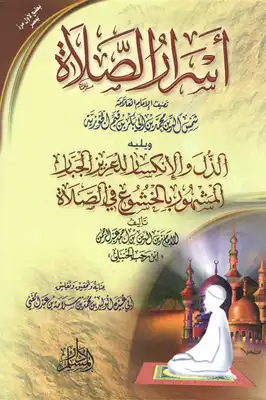
أسرار الصلاة PDF - Ibn Qayyim Al-Jawzia
Ibn Qayyim Al-Jawzia • Islam • 36 Pages
(0)
Author
Ibn Qayyim Al-JawziaCategory
ReligionsSection
Number Of Downloads
67
Number Of Reads
90
File Size
0.27 MB
Views
1,699
Quate
Review
Save
Share
Book Description
كتاب «أسرار الصلاة» المنسوب إلى شمس الدين محمد بن أبي بكر بن أيوب، المعروف بابن قيم الجوزية، هو عمل عربي في الرقائق وفقه العبادة، يدور حول المعاني القلبية والروحية للصلاة لا حول أحكامها الظاهرة فقط. وتذكر بيانات طبعة دار ابن حزم في بيروت أن الكتاب صدر في طبعته الأولى سنة 2003 بتحقيق إياد بن عبد اللطيف بن إبراهيم القيسي، في حين تعرض دار ابن حزم إصدارًا حديثًا سنة 2022 بعنوان «أسرار الصلاة والفرق والموازنة بين ذوق الصلاة والسماع»، في مجلد واحد وعدد صفحاته 184 صفحة.
يقدم ابن قيم الجوزية في «أسرار الصلاة» رؤية إيمانية تجعل الصلاة رحلة حضور مع الله، لا مجرد أداء حركات وأقوال. فالكتاب يوضح أن الصلاة هي قرة عين المؤمن وميدان محبة وخضوع وافتقار، وأن أثرها الحقيقي يظهر عندما يجتمع ظاهر العبادة مع باطنها: الجسد يقف ويركع ويسجد، والقلب يخشع ويتوجه ويتذلل. ومن هنا تأتي أهمية الكتاب للقارئ الذي يبحث عن معنى الخشوع في الصلاة، وعن طريقة أعمق لفهم التكبير والقيام والقراءة والركوع والسجود والتشهد.
لا يسير كتاب «أسرار الصلاة» على هيئة رواية ذات أحداث وشخصيات، بل يبني فكرته عبر التأمل في مقاصد الصلاة وأثرها في النفس. يبدأ النص من التمييز بين ذوق الصلاة وذوق السماع، أي بين لذة العبادة التي تنبع من القرآن والمناجاة، ولذات أخرى قد تشغل القلب أو تنافس سلطان العبادة عليه. ويركز ابن القيم على أن القلب إذا امتلأ بمعرفة الله ومحبته وجد في الصلاة سكينة لا يجدها في غيرها، أما إذا غفل صار يؤدي الصلاة كعادة ثقيلة أو واجب سريع.
يتناول الكتاب أسرار أفعال الصلاة ومعانيها؛ فالتكبير إعلان بأن الله أكبر من كل شاغل، والقيام بين يديه مقام أدب وتعظيم، وقراءة القرآن خطاب يتلقاه المصلي بقلب حاضر. أما الركوع فهو صورة الخضوع، والسجود ذروة القرب والانكسار، لأن العبد يضع أشرف أعضائه على الأرض اعترافًا بضعفه وفقره إلى ربه. ومن خلال هذه المعاني يربط المؤلف بين العمل الظاهر وحقيقة العبودية، فيبين أن الصلاة ليست انفصالًا عن الحياة، بل وسيلة لإصلاح القلب والسلوك معًا.
كما يلفت الكتاب إلى أن الخشوع ليس حالة عابرة تأتي بلا سبب، بل ثمرة مجاهدة ومعرفة ومراقبة. فالمصلي يحتاج إلى فهم ما يقول، واستحضار من يناجي، ومقاومة الشرود والرياء والعجلة. ويظهر أسلوب ابن القيم في قدرته على تحويل المعاني الوعظية إلى تحليل نفسي وإيماني دقيق؛ فهو يتحدث عن تنازع الدوافع داخل القلب، وعن أثر المحبة والإنابة والتوبة في جعل الصلاة أكثر حياة وتأثيرًا.
أهمية «أسرار الصلاة» أنه يخاطب قارئًا يريد الانتقال من السؤال: كيف أصلي؟ إلى السؤال: كيف أحضر في صلاتي؟ لذلك يناسب الكتاب طلاب العلم والقراء المهتمين بالعبادة والتزكية، كما يناسب من يشعر أن صلاته صارت عادة ويريد أن يستعيد معناها. ومع أن بعض النسخ الحديثة تناقش تفاصيل نسبة النص واستقلاله، فإن الطبعات المتداولة تقدمه ضمن آثار ابن قيم الجوزية، وتجعله من الكتب المختصرة النافعة في فهم روح الصلاة ومكانتها في بناء الإيمان.
Ibn Qayyim Al-Jawzia
Ibn Qayyim Al-Jawzia is one of the most influential Muslim scholars, authors, and spiritual thinkers of the fourteenth century, remembered for his exceptional contribution to Islamic jurisprudence, theology, Quranic reflection, prophetic biography, ethics, and the purification of the heart. Born in Damascus in 1292, he grew up in a city known for its libraries, teaching circles, legal schools, and vibrant scholarly life. His full name was Muhammad ibn Abi Bakr ibn Ayyub, but he became widely known as Ibn Qayyim Al-Jawzia because his father served as the caretaker and administrator of the Jawziyyah school. This connection gave him the title by which readers across many generations continue to recognize him. His intellectual formation took place in an environment shaped by memorization, debate, close study of religious texts, and deep reverence for learned teachers. Among those teachers, the most famous was Ibn Taymiyyah, whose influence on him was profound. Ibn Qayyim Al-Jawzia studied with him for many years, absorbed his concern for the Quran and the Sunnah, and shared his criticism of rigid imitation when it separated people from sound evidence and living moral purpose. Yet Ibn Qayyim Al-Jawzia was not merely a follower of another scholar. He developed a distinctive voice marked by emotional depth, precise argument, literary elegance, and a rare ability to connect law, worship, psychology, and spiritual transformation. His writings show a mind interested not only in legal rulings but also in the inner life of the believer: sincerity, repentance, patience, gratitude, love, fear, hope, trust, and the struggle against destructive habits. Among his best-known works is زاد المعاد في هدي خير العباد, a rich study of the guidance of the Prophet Muhammad that combines biography, law, medicine, worship, manners, and practical conduct. Another major work is مدارج السالكين, a profound exploration of the stations of spiritual wayfaring, where he explains how the seeker moves through repentance, awareness, devotion, reliance, contentment, and love. His book إعلام الموقعين عن رب العالمين remains especially important for readers of Islamic legal theory because it discusses the responsibility of scholars who issue religious judgments, the seriousness of speaking in the name of sacred law, and the need to understand both textual evidence and real human circumstances. In الداء والدواء, he writes with unusual insight about sin, desire, moral weakness, and healing through knowledge, devotion, remembrance, and discipline. In روضة المحبين ونزهة المشتاقين, he explores love with literary beauty and psychological subtlety, making the work valuable not only as religious literature but also as a study of human longing and attachment. Other important works, such as مفتاح دار السعادة, الفوائد, الوابل الصيب, تحفة المودود بأحكام المولود, and شفاء العليل, further reveal the breadth of his scholarship. His style often moves from textual proof to reflection, from argument to exhortation, and from structured classification to poetic description. This flexibility gives his books lasting appeal because they serve students of knowledge, preachers, researchers, and general readers seeking meaningful guidance. Ibn Qayyim Al-Jawzia wrote with a clear belief that knowledge should reform the heart and action, not remain confined to memorized information. His legacy is therefore both scholarly and devotional. He contributed to the Hanbali legal tradition, engaged central theological questions, preserved and interpreted prophetic guidance, and created a literature of the heart that continues to inspire readers in many languages. He died in Damascus in 1350, leaving behind a body of work that remains central to Islamic studies and to contemporary interest in Muslim spirituality, ethical self-development, and classical religious thought. For a book website or author biography section, Ibn Qayyim Al-Jawzia represents a major classical author whose writings combine intellectual discipline, spiritual intensity, moral seriousness, and literary power.
Earn Rewards While Reading!
Every 10 pages you read and spent 30 seconds on every page, earns you 5 reward points! Keep reading to unlock achievements and exclusive benefits.
Read
Rate Now
5 Stars
4 Stars
3 Stars
2 Stars
1 Stars
أسرار الصلاة Quotes
Top Rated
Latest
Quate
Be the first to leave a quote and earn 10 points
instead of 3
'%20/%3e%3c/svg%3e "اجتماع الجيوش الإسلامية على حرب المعطلة والجهمية")
Comments
Be the first to leave a comment and earn 5 points
instead of 3