

The source of the book
This book is published for the public benefit under a Creative Commons license, or with the permission of the author or publisher. If you have any objections to its publication, please contact us.
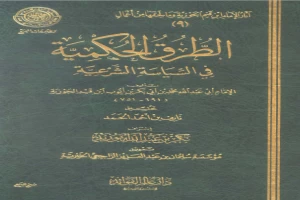
الطرق الحكمية في السياسة الشرعية PDF - Ibn Qayyim Al-Jawzia
Ibn Qayyim Al-Jawzia • Islam • 1,111 Pages
(0)
Author
Ibn Qayyim Al-JawziaCategory
ReligionsSection
Number Of Downloads
58
Number Of Reads
59
File Size
13.20 MB
Views
1,291
Quate
Review
Save
Share
Book Description
يُعد كتاب «الطرق الحكمية في السياسة الشرعية» من أبرز كتب شمس الدين ابن قيم الجوزية في فقه القضاء والسياسة الشرعية، وهو ليس رواية ذات حبكة وشخصيات، بل كتاب فقهي فكري يعالج وسائل الحكم وإثبات الحقوق وتحقيق العدل في المجتمع. وبما أن الكتاب من المؤلفات التراثية، فلا توجد له سنة نشر أصلية بالمعنى الحديث، لكن من طبعاته المحققة طبعة دار عالم الفوائد – مكة المكرمة، الطبعة الأولى، 1428هـ، بتحقيق نايف بن أحمد الحمد، في مجلدين، كما تذكر بيانات الفهرسة المتاحة للطبعة المطبوعة.
ينطلق ابن قيم الجوزية في «الطرق الحكمية في السياسة الشرعية» من قضية محورية: كيف يصل الحاكم أو القاضي إلى الحكم العادل عندما لا تكفي الأدلة الظاهرة وحدها؟ لذلك يناقش الكتاب قيمة القرائن والأمارات والفراسة وشواهد الحال في القضاء، ويبيّن أن السياسة الشرعية العادلة ليست خروجًا عن الشريعة، بل وسيلة لتطبيق مقاصدها في حفظ الحقوق، ورد المظالم، ومنع التحايل، ومواجهة الخصومات التي تتعقد فيها الأدلة. وتُظهر فهارس الكتاب عنايته بموضوعات مثل الحكم بالقرائن، الفراسة، السياسة العادلة والظالمة، الشهادة، اليمين، النكول، التعزير، دعاوى التهم، والحسبة.
يلخص الكتاب تصور ابن القيم للقضاء باعتباره علمًا يجمع بين فهم النصوص الشرعية وفهم الواقع الإنساني. فالقاضي، في نظره، لا يكتفي بحفظ الأحكام المجردة، بل يحتاج إلى إدراك أحوال الناس، وأساليب الخصومة، وطرق الكذب والاحتيال، وما تدل عليه القرائن القوية من حقوق أو اعتداءات. ومن هنا تأتي أهمية عنوان الكتاب؛ فالـ«طرق الحكمية» هي الوسائل التي تساعد على الوصول إلى الحكم الصحيح، و«السياسة الشرعية» هي إدارة شؤون الناس بما يحقق العدل ويوافق أصول الشرع.
يعرض ابن قيم الجوزية أمثلة كثيرة من القضاء في القرآن والسنة وآثار الصحابة وأقوال الفقهاء، ليؤكد أن الاعتماد على القرائن ليس أمرًا طارئًا، بل له أصل في الاجتهاد القضائي الإسلامي. ويتناول قضايا مثل إثبات النسب، الحكم عند التنازع، دور اليد والحيازة، الشهادة المنفردة في بعض المواضع، القضاء بالشاهد واليمين، ورد اليمين، وموقف الحاكم من المتهمين عند وجود دلائل قوية. كما يناقش الحدود الفاصلة بين السياسة العادلة التي تحفظ النظام والحقوق، والسياسة الظالمة التي تقوم على الهوى أو التعسف.
ومن أهم ما يميز كتاب الطرق الحكمية في السياسة الشرعية أنه لا يقدم الفقه في صورة جامدة، بل يربطه بحياة الناس ومنازعاتهم اليومية. فهو كتاب مهم للقارئ المهتم بفقه القضاء، وأصول الإثبات، وتاريخ الفكر السياسي الإسلامي، لأنه يكشف كيف نظر ابن القيم إلى العدل باعتباره مقصدًا أساسيًا من مقاصد الشريعة. ويستفيد منه الباحث في السياسة الشرعية لأنه يوضح أن الحكم الرشيد لا يقوم على النص وحده بمعزل عن الواقع، ولا على المصلحة المنفلتة من الضوابط، بل على الجمع بين الدليل، والقرينة، والخبرة، والإنصاف.
بهذا المعنى، يقدم شمس الدين ابن قيم الجوزية في «الطرق الحكمية في السياسة الشرعية» خلاصة فقهية عميقة حول كيفية إدارة القضاء والحكم بما يرفع الظلم ويصون الحقوق. والكتاب مناسب للمتخصصين في الفقه والشريعة والقانون، كما يفيد القارئ العام الذي يريد فهم معنى السياسة الشرعية بعيدًا عن الاختزال السياسي المعاصر، بوصفها علمًا في تحقيق العدل وتنظيم شؤون الناس وفق مقاصد الشريعة وقواعدها.
Ibn Qayyim Al-Jawzia
Ibn Qayyim Al-Jawzia is one of the most influential Muslim scholars, authors, and spiritual thinkers of the fourteenth century, remembered for his exceptional contribution to Islamic jurisprudence, theology, Quranic reflection, prophetic biography, ethics, and the purification of the heart. Born in Damascus in 1292, he grew up in a city known for its libraries, teaching circles, legal schools, and vibrant scholarly life. His full name was Muhammad ibn Abi Bakr ibn Ayyub, but he became widely known as Ibn Qayyim Al-Jawzia because his father served as the caretaker and administrator of the Jawziyyah school. This connection gave him the title by which readers across many generations continue to recognize him. His intellectual formation took place in an environment shaped by memorization, debate, close study of religious texts, and deep reverence for learned teachers. Among those teachers, the most famous was Ibn Taymiyyah, whose influence on him was profound. Ibn Qayyim Al-Jawzia studied with him for many years, absorbed his concern for the Quran and the Sunnah, and shared his criticism of rigid imitation when it separated people from sound evidence and living moral purpose. Yet Ibn Qayyim Al-Jawzia was not merely a follower of another scholar. He developed a distinctive voice marked by emotional depth, precise argument, literary elegance, and a rare ability to connect law, worship, psychology, and spiritual transformation. His writings show a mind interested not only in legal rulings but also in the inner life of the believer: sincerity, repentance, patience, gratitude, love, fear, hope, trust, and the struggle against destructive habits. Among his best-known works is زاد المعاد في هدي خير العباد, a rich study of the guidance of the Prophet Muhammad that combines biography, law, medicine, worship, manners, and practical conduct. Another major work is مدارج السالكين, a profound exploration of the stations of spiritual wayfaring, where he explains how the seeker moves through repentance, awareness, devotion, reliance, contentment, and love. His book إعلام الموقعين عن رب العالمين remains especially important for readers of Islamic legal theory because it discusses the responsibility of scholars who issue religious judgments, the seriousness of speaking in the name of sacred law, and the need to understand both textual evidence and real human circumstances. In الداء والدواء, he writes with unusual insight about sin, desire, moral weakness, and healing through knowledge, devotion, remembrance, and discipline. In روضة المحبين ونزهة المشتاقين, he explores love with literary beauty and psychological subtlety, making the work valuable not only as religious literature but also as a study of human longing and attachment. Other important works, such as مفتاح دار السعادة, الفوائد, الوابل الصيب, تحفة المودود بأحكام المولود, and شفاء العليل, further reveal the breadth of his scholarship. His style often moves from textual proof to reflection, from argument to exhortation, and from structured classification to poetic description. This flexibility gives his books lasting appeal because they serve students of knowledge, preachers, researchers, and general readers seeking meaningful guidance. Ibn Qayyim Al-Jawzia wrote with a clear belief that knowledge should reform the heart and action, not remain confined to memorized information. His legacy is therefore both scholarly and devotional. He contributed to the Hanbali legal tradition, engaged central theological questions, preserved and interpreted prophetic guidance, and created a literature of the heart that continues to inspire readers in many languages. He died in Damascus in 1350, leaving behind a body of work that remains central to Islamic studies and to contemporary interest in Muslim spirituality, ethical self-development, and classical religious thought. For a book website or author biography section, Ibn Qayyim Al-Jawzia represents a major classical author whose writings combine intellectual discipline, spiritual intensity, moral seriousness, and literary power.
Earn Rewards While Reading!
Every 10 pages you read and spent 30 seconds on every page, earns you 5 reward points! Keep reading to unlock achievements and exclusive benefits.
Read
Rate Now
5 Stars
4 Stars
3 Stars
2 Stars
1 Stars
الطرق الحكمية في السياسة الشرعية Quotes
Top Rated
Latest
Quate
Be the first to leave a quote and earn 10 points
instead of 3
'%20/%3e%3c/svg%3e "اجتماع الجيوش الإسلامية على حرب المعطلة والجهمية")
Comments
Be the first to leave a comment and earn 5 points
instead of 3