

The source of the book
This book is published for the public benefit under a Creative Commons license, or with the permission of the author or publisher. If you have any objections to its publication, please contact us.
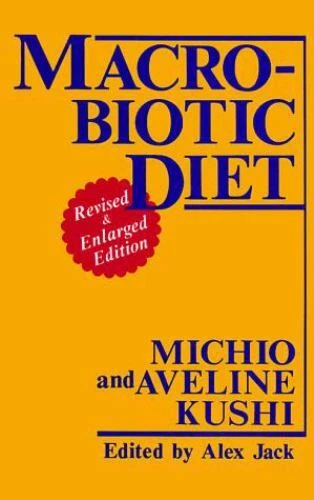
The Macrobiotic Diet in Cancer PDF - Michio Kushi
Michio Kushi • health and food • 9 Pages
(0)
Quate
Review
Save
Share
Book Description
The Macrobiotic Diet in Cancer by Michio Kushi is a health and lifestyle book associated with the wider macrobiotic movement, a nutritional philosophy that places strong emphasis on whole grains, vegetables, beans, sea vegetables, natural foods, balance, and disciplined daily living. For readers searching for a macrobiotic diet book, a Michio Kushi cancer diet guide, or an introduction to the relationship between diet, lifestyle, and cancer prevention, this work offers a perspective rooted in one of the most influential alternative nutrition traditions of the twentieth century.
Michio Kushi was widely known as a leading figure in modern macrobiotics and helped popularize macrobiotic ideas in the United States and beyond. His writings often connect food choices with broader questions of physical health, emotional balance, spiritual awareness, and harmony with nature. This book should be read in that context: not as a substitute for professional cancer treatment, but as a presentation of macrobiotic principles for readers interested in nutrition, complementary health approaches, and the role of everyday habits in supporting overall well-being.
A Macrobiotic Approach to Food, Balance, and Daily Living
At the heart of The Macrobiotic Diet in Cancer is the idea that food is not merely fuel, but a central influence on the condition of the body and the quality of life. Macrobiotic practice is usually associated with a mostly plant-based pattern of eating, often centered on whole grains, cooked vegetables, beans, legumes, sea vegetables, soups, and traditionally prepared foods. It generally avoids or limits highly processed foods, refined sugar, heavy animal products, and artificial additives, while encouraging simplicity, moderation, and attention to seasonal and natural ingredients.
This makes the book especially relevant for readers interested in whole-food nutrition, plant-based eating, cancer prevention diets, and holistic lifestyle books. The macrobiotic view presented by Kushi is not only about what appears on the plate, but also about how food connects with rhythm, environment, activity, rest, and inner balance. Readers familiar with modern wellness language may recognize many overlapping themes: eating closer to nature, reducing processed foods, choosing fiber-rich ingredients, and seeing health as something shaped by daily practice rather than by isolated choices.
Reading the Book with Care and Medical Awareness
Because this book deals with cancer, it is important to approach it with both openness and caution. Macrobiotic diets have attracted attention partly because of personal stories and case reports from individuals who believed that major dietary change helped them during serious illness. However, reputable cancer organizations and nutrition sources emphasize that there is no scientific evidence that a macrobiotic diet treats or cures cancer, and people with cancer should not rely on any diet as their only or primary treatment. Cancer Research UK states clearly that there is no scientific evidence proving that the macrobiotic diet can treat or cure cancer.
This does not mean the book has no value. Its value lies in presenting a structured dietary and lifestyle philosophy that many readers may want to understand, compare, or discuss with qualified health professionals. For patients, caregivers, students, nutrition readers, and those exploring complementary cancer support, the safest reading is an informed one: Kushi’s ideas can be studied as part of the history of macrobiotics and holistic health, while medical decisions should remain guided by oncologists, registered dietitians, and evidence-based care.
What Readers Can Expect from Michio Kushi’s Perspective
Readers opening The Macrobiotic Diet in Cancer can expect a serious, principle-driven discussion rather than a casual diet manual. Kushi’s approach tends to connect specific foods with larger patterns of balance and imbalance, reflecting the macrobiotic tradition’s concern with yin and yang, natural order, and the relationship between personal health and the wider environment. This gives the book a distinctive voice compared with conventional nutrition guides. It is not simply a list of foods to eat or avoid; it is an attempt to explain health through a complete worldview.
For some readers, this worldview will be the main attraction. Those interested in natural health, traditional food philosophy, Eastern-inspired nutrition, or macrobiotic cooking may appreciate the way the book frames diet as part of a disciplined way of living. Others may read it more critically, comparing its claims with current cancer nutrition guidance and modern clinical evidence. In either case, the book is useful because it represents an important strand of alternative health thinking and shows why macrobiotics became so influential among people seeking a more intentional relationship with food and disease.
Diet, Cancer Prevention, and the Search for Practical Support
One reason books like The Macrobiotic Diet in Cancer continue to draw interest is that many readers want practical ways to feel more involved in their health. Cancer can make people feel powerless, and nutrition is one area where daily choices can feel meaningful. A macrobiotic diet’s emphasis on vegetables, grains, beans, and minimally processed foods overlaps in some ways with broader public health messages that encourage plant-forward eating patterns. At the same time, strict versions of macrobiotic eating may require careful planning to avoid nutritional gaps, especially for people who are ill, losing weight, undergoing treatment, or struggling with appetite.
The American Institute for Cancer Research has noted that macrobiotic diets may be low in nutrients such as vitamin B12, vitamin D, iron, protein, and calcium if they are not well planned, and recommends professional guidance for those interested in following this type of diet. This point is especially important for readers considering the book for personal health reasons. The most responsible way to use a macrobiotic cancer diet book is not to adopt extreme restrictions blindly, but to understand its principles, evaluate them carefully, and seek qualified nutritional advice when needed.
A Book for Readers of Holistic Nutrition and Alternative Health History
Beyond its practical dietary suggestions, The Macrobiotic Diet in Cancer by Michio Kushi is also valuable as a window into the history of the macrobiotic movement. Kushi became one of the best-known voices associated with macrobiotics, and archival material from the Smithsonian describes the work of Michio and Aveline Kushi as important in popularizing macrobiotics in the United States. His influence helped shape conversations about natural foods, whole grains, vegetarian cooking, organic ingredients, and the idea that diet could be connected to personal and social transformation.
For this reason, the book may appeal to more than one type of reader. It can interest people looking for a macrobiotic cancer book, but it can also serve readers studying alternative medicine, food movements, natural healing traditions, or the cultural history of nutrition. It belongs to a body of writing that helped bring terms like whole foods, natural living, and plant-based balance into wider public conversation long before many of these ideas became common in mainstream wellness culture.
A Careful and Meaningful Reading Experience
The strongest way to approach The Macrobiotic Diet in Cancer is with a balanced mind. It is a book that can inspire reflection on food quality, simplicity, discipline, and the connection between lifestyle and health. It may encourage readers to think more deeply about refined foods, excessive consumption, and the importance of daily habits. At the same time, because cancer is a serious medical condition, the book’s ideas should be placed alongside reliable medical evidence rather than treated as a replacement for it.
For readers interested in Michio Kushi, macrobiotic nutrition, plant-based dietary philosophy, and the historical conversation around diet and cancer, this book offers a distinctive and thought-provoking perspective. It invites readers to consider how food choices can become part of a broader search for balance, resilience, and mindful living, while also reminding modern readers of the need for careful judgment, professional guidance, and evidence-based care when health questions are serious.
Michio Kushi
Michio Kushi was a Japanese author, educator, lecturer, and one of the best-known modern advocates of macrobiotics, a philosophy of food and lifestyle that links diet, personal discipline, ecological awareness, and the search for peace. Born in Japan in 1926, Kushi came of age in the shadow of World War II, and his later writing often reflected a belief that individual choices, including what people eat and how they live, could contribute to a more harmonious society. After studying at the University of Tokyo and learning from George Ohsawa, a central figure in the modern macrobiotic movement, Kushi moved to the United States and became a major voice in the growth of natural foods, whole grains, plant-based meals, and holistic living. Together with his wife Aveline Kushi, he helped build institutions, publications, and teaching networks that introduced macrobiotic ideas to readers, students, cooks, and health seekers across North America and beyond. His name is closely associated with the Kushi Institute in Massachusetts, the East West Foundation, the Kushi Foundation, and One Peaceful World, all of which reflected his ambition to make diet a bridge between personal health and global responsibility. As an author, Kushi wrote or co-wrote many influential books, including The Book of Macrobiotics: The Universal Way of Health, Happiness, and Peace, The Macrobiotic Way, The Cancer Prevention Diet, Your Face Never Lies, Natural Healing Through Macrobiotics, Diet for a Strong Heart, and One Peaceful World. His prose is practical and philosophical at the same time: he explains grains, beans, sea vegetables, cooking methods, seasonal eating, chewing, exercise, and home remedies, yet he also frames these practices within a larger vision of balance, gratitude, self-cultivation, and social peace. This combination made his books appealing to readers of alternative health, vegetarian nutrition, spiritual lifestyle writing, and twentieth-century food reform. Kushi’s influence was significant because he helped make macrobiotics visible outside specialist circles, connecting Japanese and East Asian concepts with American concerns about processed food, industrial agriculture, chronic disease, and ecological living. At the same time, his legacy should be read with care. Some of his claims about serious illness, especially cancer, remain controversial, and medical organizations emphasize that macrobiotic diets are not proven to cure cancer and should not replace evidence-based treatment or professional medical care. For that reason, the strongest contemporary reading of Kushi is historical, cultural, and literary: he was a persuasive author who shaped a language of natural food, disciplined living, and holistic health, rather than a source of medical certainty. The Smithsonian’s Michio and Aveline Kushi Macrobiotics Collection reflects the cultural importance of their work as writers and teachers who helped popularize macrobiotics in the United States. Kushi died in 2014, but his books continue to attract readers interested in macrobiotic cooking, Japanese wellness philosophy, plant-centered diets, food ethics, and the history of natural food movements. For book websites, Michio Kushi remains a highly relevant author profile for searches connected with macrobiotics, holistic nutrition, natural healing, alternative health literature, whole-food cooking, vegetarian lifestyle, and the broader relationship between food, body, mind, and society.
Earn Rewards While Reading!
Every 10 pages you read and spent 30 seconds on every page, earns you 5 reward points! Keep reading to unlock achievements and exclusive benefits.
Read
Rate Now
5 Stars
4 Stars
3 Stars
2 Stars
1 Stars
The Macrobiotic Diet in Cancer Quotes
Top Rated
Latest
Quate
Be the first to leave a quote and earn 10 points
instead of 3
Other books like The Macrobiotic Diet in Cancer
'%20/%3e%3c/svg%3e "Staying Healthy with Nutrition, rev: The Complete Guide to Diet and Nutritional Medicine")
Elson M. Haas.
health and food
(0)
2172
English
Comments
Be the first to leave a comment and earn 5 points
instead of 3