

مصدر الكتاب
تم نشر هذا الكتاب بهدف النفع العام، وذلك بموجب رخصة المشاع الإبداعي، أو بناءً على موافقة من المؤلف أو دار النشر. في حال وجود أي اعتراض على النشر، يُرجى التواصل معنا لنتخذ الإجراء المناسب.
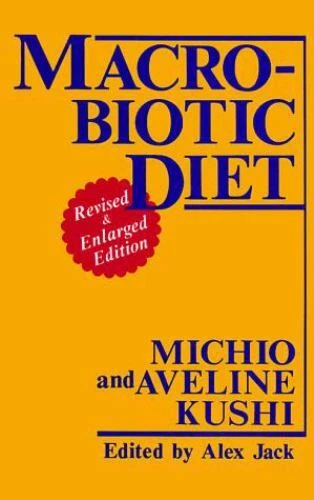
The Macrobiotic Diet in Cancer PDF - ميتشيو كوشي
ميتشيو كوشي • صحة وغذاء • ٩ الصفحات
(0)
اقتباس
مراجعة
حفظ
مشاركة
وصف الكتاب
The Macrobiotic Diet in Cancer by Michio Kushi is a health and lifestyle book associated with the wider macrobiotic movement, a nutritional philosophy that places strong emphasis on whole grains, vegetables, beans, sea vegetables, natural foods, balance, and disciplined daily living. For readers searching for a macrobiotic diet book, a Michio Kushi cancer diet guide, or an introduction to the relationship between diet, lifestyle, and cancer prevention, this work offers a perspective rooted in one of the most influential alternative nutrition traditions of the twentieth century.
Michio Kushi was widely known as a leading figure in modern macrobiotics and helped popularize macrobiotic ideas in the United States and beyond. His writings often connect food choices with broader questions of physical health, emotional balance, spiritual awareness, and harmony with nature. This book should be read in that context: not as a substitute for professional cancer treatment, but as a presentation of macrobiotic principles for readers interested in nutrition, complementary health approaches, and the role of everyday habits in supporting overall well-being.
A Macrobiotic Approach to Food, Balance, and Daily Living
At the heart of The Macrobiotic Diet in Cancer is the idea that food is not merely fuel, but a central influence on the condition of the body and the quality of life. Macrobiotic practice is usually associated with a mostly plant-based pattern of eating, often centered on whole grains, cooked vegetables, beans, legumes, sea vegetables, soups, and traditionally prepared foods. It generally avoids or limits highly processed foods, refined sugar, heavy animal products, and artificial additives, while encouraging simplicity, moderation, and attention to seasonal and natural ingredients.
This makes the book especially relevant for readers interested in whole-food nutrition, plant-based eating, cancer prevention diets, and holistic lifestyle books. The macrobiotic view presented by Kushi is not only about what appears on the plate, but also about how food connects with rhythm, environment, activity, rest, and inner balance. Readers familiar with modern wellness language may recognize many overlapping themes: eating closer to nature, reducing processed foods, choosing fiber-rich ingredients, and seeing health as something shaped by daily practice rather than by isolated choices.
Reading the Book with Care and Medical Awareness
Because this book deals with cancer, it is important to approach it with both openness and caution. Macrobiotic diets have attracted attention partly because of personal stories and case reports from individuals who believed that major dietary change helped them during serious illness. However, reputable cancer organizations and nutrition sources emphasize that there is no scientific evidence that a macrobiotic diet treats or cures cancer, and people with cancer should not rely on any diet as their only or primary treatment. Cancer Research UK states clearly that there is no scientific evidence proving that the macrobiotic diet can treat or cure cancer.
This does not mean the book has no value. Its value lies in presenting a structured dietary and lifestyle philosophy that many readers may want to understand, compare, or discuss with qualified health professionals. For patients, caregivers, students, nutrition readers, and those exploring complementary cancer support, the safest reading is an informed one: Kushi’s ideas can be studied as part of the history of macrobiotics and holistic health, while medical decisions should remain guided by oncologists, registered dietitians, and evidence-based care.
What Readers Can Expect from Michio Kushi’s Perspective
Readers opening The Macrobiotic Diet in Cancer can expect a serious, principle-driven discussion rather than a casual diet manual. Kushi’s approach tends to connect specific foods with larger patterns of balance and imbalance, reflecting the macrobiotic tradition’s concern with yin and yang, natural order, and the relationship between personal health and the wider environment. This gives the book a distinctive voice compared with conventional nutrition guides. It is not simply a list of foods to eat or avoid; it is an attempt to explain health through a complete worldview.
For some readers, this worldview will be the main attraction. Those interested in natural health, traditional food philosophy, Eastern-inspired nutrition, or macrobiotic cooking may appreciate the way the book frames diet as part of a disciplined way of living. Others may read it more critically, comparing its claims with current cancer nutrition guidance and modern clinical evidence. In either case, the book is useful because it represents an important strand of alternative health thinking and shows why macrobiotics became so influential among people seeking a more intentional relationship with food and disease.
Diet, Cancer Prevention, and the Search for Practical Support
One reason books like The Macrobiotic Diet in Cancer continue to draw interest is that many readers want practical ways to feel more involved in their health. Cancer can make people feel powerless, and nutrition is one area where daily choices can feel meaningful. A macrobiotic diet’s emphasis on vegetables, grains, beans, and minimally processed foods overlaps in some ways with broader public health messages that encourage plant-forward eating patterns. At the same time, strict versions of macrobiotic eating may require careful planning to avoid nutritional gaps, especially for people who are ill, losing weight, undergoing treatment, or struggling with appetite.
The American Institute for Cancer Research has noted that macrobiotic diets may be low in nutrients such as vitamin B12, vitamin D, iron, protein, and calcium if they are not well planned, and recommends professional guidance for those interested in following this type of diet. This point is especially important for readers considering the book for personal health reasons. The most responsible way to use a macrobiotic cancer diet book is not to adopt extreme restrictions blindly, but to understand its principles, evaluate them carefully, and seek qualified nutritional advice when needed.
A Book for Readers of Holistic Nutrition and Alternative Health History
Beyond its practical dietary suggestions, The Macrobiotic Diet in Cancer by Michio Kushi is also valuable as a window into the history of the macrobiotic movement. Kushi became one of the best-known voices associated with macrobiotics, and archival material from the Smithsonian describes the work of Michio and Aveline Kushi as important in popularizing macrobiotics in the United States. His influence helped shape conversations about natural foods, whole grains, vegetarian cooking, organic ingredients, and the idea that diet could be connected to personal and social transformation.
For this reason, the book may appeal to more than one type of reader. It can interest people looking for a macrobiotic cancer book, but it can also serve readers studying alternative medicine, food movements, natural healing traditions, or the cultural history of nutrition. It belongs to a body of writing that helped bring terms like whole foods, natural living, and plant-based balance into wider public conversation long before many of these ideas became common in mainstream wellness culture.
A Careful and Meaningful Reading Experience
The strongest way to approach The Macrobiotic Diet in Cancer is with a balanced mind. It is a book that can inspire reflection on food quality, simplicity, discipline, and the connection between lifestyle and health. It may encourage readers to think more deeply about refined foods, excessive consumption, and the importance of daily habits. At the same time, because cancer is a serious medical condition, the book’s ideas should be placed alongside reliable medical evidence rather than treated as a replacement for it.
For readers interested in Michio Kushi, macrobiotic nutrition, plant-based dietary philosophy, and the historical conversation around diet and cancer, this book offers a distinctive and thought-provoking perspective. It invites readers to consider how food choices can become part of a broader search for balance, resilience, and mindful living, while also reminding modern readers of the need for careful judgment, professional guidance, and evidence-based care when health questions are serious.
ميتشيو كوشي
ميشيو كوشي
ميشيو كوشي كاتب ومعلّم ياباني بارز يُعد من أشهر الأسماء المرتبطة بنشر فلسفة الماكروبيوتك الحديثة في الولايات المتحدة والعالم، وقد ارتبط اسمه بكتب الصحة الشمولية، والتغذية الطبيعية، والعلاقة بين الطعام ونمط الحياة والسلام الداخلي. وُلد كوشي في اليابان عام 1926، وتكوّن فكره في مرحلة ما بعد الحرب العالمية الثانية، حين أصبحت قضايا السلام العالمي، وإعادة بناء الإنسان، والبحث عن أسلوب حياة أكثر اتزانًا موضوعات مركزية في جيله. درس في جامعة طوكيو، وتأثر بتعاليم جورج أوساوا، أحد أبرز مطوّري الماكروبيوتك الحديثة، ثم انتقل إلى الولايات المتحدة في أواخر الأربعينيات، حيث بدأ مسارًا طويلًا في التعليم والكتابة والمحاضرات العامة. لم يكن كوشي مجرد مؤلف في مجال التغذية، بل كان صاحب مشروع فكري واسع يحاول أن يربط بين الطعام، والبيئة، والصحة، والأخلاق اليومية، وفكرة الانسجام بين الشرق والغرب. اشتهر مع زوجته أفلين كوشي بدورهما في تأسيس مؤسسات ومبادرات مرتبطة بالحركة الطبيعية والماكروبيوتكية، من بينها معهد كوشي، ومؤسسة كوشي، وشبكات تعليمية وثقافية أسهمت في ترسيخ اهتمام القرّاء الأمريكيين والأوروبيين بالأطعمة الكاملة، والحبوب، والخضروات الموسمية، والابتعاد عن الإفراط في الأغذية الصناعية. وتُعد كتب مثل «كتاب الماكروبيوتك: الطريق العالمي إلى الصحة والسعادة والسلام»، و«طريقة الماكروبيوتك»، و«حمية الوقاية من السرطان»، و«وجهك لا يكذب»، و«العلاج الطبيعي عبر الماكروبيوتك»، و«العالم المسالم الواحد» من أبرز العناوين التي جعلت اسمه حاضرًا في مكتبات الصحة البديلة والتنمية الذاتية والتغذية الشمولية. يتميز أسلوبه الكتابي بأنه تعليمي، تأملي، ومباشر، إذ يخاطب القارئ بوصفه شخصًا قادرًا على إعادة ترتيب حياته من خلال اختيارات يومية بسيطة، لكنه في الوقت نفسه يحمّل الطعام معنى ثقافيًا وروحيًا يتجاوز السعرات والعناصر الغذائية. وقد لاقت أفكاره قبولًا واسعًا لدى قرّاء يبحثون عن الغذاء النباتي، والحياة المتوازنة، والطب التكميلي، كما أثارت بعض آرائه الصحية، خصوصًا المرتبطة بالأمراض الخطيرة، نقاشًا نقديًا مهمًا؛ لذلك تُقرأ أعماله اليوم بوصفها جزءًا مؤثرًا من تاريخ حركة الأغذية الطبيعية والطب التكميلي، لا بديلًا عن الاستشارة الطبية أو العلاج العلمي المعتمد. تكمن أهمية ميشيو كوشي في أنه ساهم في تحويل الماكروبيوتك من مفهوم محدود داخل دوائر آسيوية وفلسفية إلى خطاب عالمي مؤثر في الثقافة الغذائية، والنشر الصحي، وحركات العودة إلى الطعام الكامل والطبيعي. كما أن أرشيف أعمال ميشيو وأفلين كوشي محفوظ ضمن مجموعة في مؤسسة سميثسونيان، ما يعكس مكانتهما في تاريخ الغذاء الطبيعي والحركات الثقافية المرتبطة بالصحة في الولايات المتحدة. توفي كوشي عام 2014، لكن كتبه ما زالت تُقرأ من جانب المهتمين بتاريخ الماكروبيوتك، وفلسفة الطعام، والأنظمة النباتية، والبحث عن علاقة أعمق بين الجسد والعقل والبيئة. وبالنسبة لمواقع الكتب، يمثل اسمه كلمة مفتاحية مهمة في موضوعات الماكروبيوتك، والصحة الشمولية، والتغذية الطبيعية، والكتابة اليابانية المعاصرة عن أسلوب الحياة، إذ يجمع إرثه بين المؤلف، والمعلّم، والمحاضر، والمصلح الثقافي الذي ترك أثرًا واضحًا في تصور القرّاء للطعام باعتباره ممارسة يومية مرتبطة بالصحة والسلام والمسؤولية الشخصية.
اكسب مكافآت أثناء القراءة!
كل 10 صفحات تقرؤها وتقضى فيها 30 ثانية تمنحك 5 نقاط مكافأة! واصل القراءة لفتح الإنجازات والمزايا الحصرية.
اقرأ
قيم الآن
5 نجوم
4 نجوم
3 نجوم
2 نجوم
1 نجوم
اقتباسات The Macrobiotic Diet in Cancer
الأعلى تقييماً
الأحدث
اقتباس
كن أول من يترك اقتباسًا واكسب 10 نقاط
بدلاً من 3
كتب أخرى مشابهة The Macrobiotic Diet in Cancer
'%20/%3e%3c/svg%3e "Staying Healthy with Nutrition, rev: The Complete Guide to Diet and Nutritional Medicine")
إلسون إم هاس.
صحة وغذاء
(0)
2172
الإنجليزية
التعليقات
كن أول من يترك تعليقًا واكسب 5 نقاط
بدلاً من 3