
Michio Kushi Books PDF
(0)
Books number: 2
Explore all available books and works by Michio Kushi , including popular novels, complete collections, and translated titles. This page is regularly updated with new releases and featured works.
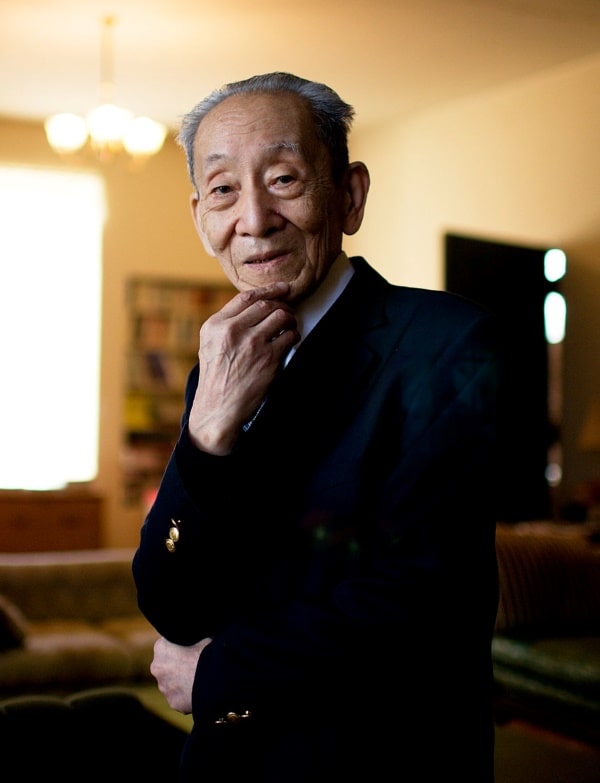
Michio Kushi was a Japanese author, educator, lecturer, and one of the best-known modern advocates of macrobiotics, a philosophy of food and lifestyle that links diet, personal discipline, ecological awareness, and the search for peace. Born in Japan in 1926, Kushi came of age in the shadow of World War II, and his later writing often reflected a belief that individual choices, including what people eat and how they live, could contribute to a more harmonious society. After studying at the University of Tokyo and learning from George Ohsawa, a central figure in the modern macrobiotic movement, Kushi moved to the United States and became a major voice in the growth of natural foods, whole grains, plant-based meals, and holistic living. Together with his wife Aveline Kushi, he helped build institutions, publications, and teaching networks that introduced macrobiotic ideas to readers, students, cooks, and health seekers across North America and beyond. His name is closely associated with the Kushi Institute in Massachusetts, the East West Foundation, the Kushi Foundation, and One Peaceful World, all of which reflected his ambition to make diet a bridge between personal health and global responsibility. As an author, Kushi wrote or co-wrote many influential books, including The Book of Macrobiotics: The Universal Way of Health, Happiness, and Peace, The Macrobiotic Way, The Cancer Prevention Diet, Your Face Never Lies, Natural Healing Through Macrobiotics, Diet for a Strong Heart, and One Peaceful World. His prose is practical and philosophical at the same time: he explains grains, beans, sea vegetables, cooking methods, seasonal eating, chewing, exercise, and home remedies, yet he also frames these practices within a larger vision of balance, gratitude, self-cultivation, and social peace. This combination made his books appealing to readers of alternative health, vegetarian nutrition, spiritual lifestyle writing, and twentieth-century food reform. Kushi’s influence was significant because he helped make macrobiotics visible outside specialist circles, connecting Japanese and East Asian concepts with American concerns about processed food, industrial agriculture, chronic disease, and ecological living. At the same time, his legacy should be read with care. Some of his claims about serious illness, especially cancer, remain controversial, and medical organizations emphasize that macrobiotic diets are not proven to cure cancer and should not replace evidence-based treatment or professional medical care. For that reason, the strongest contemporary reading of Kushi is historical, cultural, and literary: he was a persuasive author who shaped a language of natural food, disciplined living, and holistic health, rather than a source of medical certainty. The Smithsonian’s Michio and Aveline Kushi Macrobiotics Collection reflects the cultural importance of their work as writers and teachers who helped popularize macrobiotics in the United States. Kushi died in 2014, but his books continue to attract readers interested in macrobiotic cooking, Japanese wellness philosophy, plant-centered diets, food ethics, and the history of natural food movements. For book websites, Michio Kushi remains a highly relevant author profile for searches connected with macrobiotics, holistic nutrition, natural healing, alternative health literature, whole-food cooking, vegetarian lifestyle, and the broader relationship between food, body, mind, and society.
'%20/%3e%3c/svg%3e "Cover of The Macrobiotic Diet in Cancer by Michio Kushi")
60
English
The Macrobiotic Diet in Cancer
Michio Kushi
health and food
(0)