

The source of the book
This book is published for the public benefit under a Creative Commons license, or with the permission of the author or publisher. If you have any objections to its publication, please contact us.
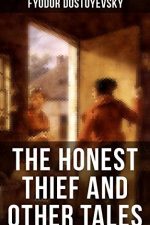
The Honest Thief PDF - Fyodor Dostoevsky
Fyodor Dostoevsky • literature • 477 Pages
(0)
Quate
Review
Save
Share
Book Description
The Honest Thief and Other Tales by Fyodor Dostoevsky
The Honest Thief and Other Tales by Fyodor Dostoevsky is a compelling collection of classic Russian short fiction that reveals the author’s extraordinary ability to uncover the hidden struggles of ordinary people. Known worldwide for masterpieces such as Crime and Punishment, The Brothers Karamazov, The Idiot, and Notes from Underground, Dostoevsky brings the same moral intensity and psychological depth to these shorter works. In this collection, readers encounter stories shaped by poverty, guilt, pride, weakness, compassion, social pressure, and the painful contradictions of the human heart.
At the center of the book is “The Honest Thief,” a moving tale that explores the uneasy border between wrongdoing and sympathy. Rather than presenting theft, shame, or moral failure in simple terms, Dostoevsky examines the emotional conditions that lead people into weakness and self-betrayal. The story’s power lies in its refusal to judge too quickly. Through modest rooms, vulnerable lives, and conversations full of regret, it asks readers to look beyond the act itself and consider the wounded human being behind it.
A Classic Collection of Dostoevsky’s Short Fiction
This book is ideal for readers who want to experience Fyodor Dostoevsky’s short stories without beginning with one of his long novels. The tales offer a concentrated introduction to the themes that made him one of the most influential writers in world literature: moral conflict, spiritual anxiety, social humiliation, psychological tension, and the search for dignity in difficult circumstances. Each story opens a window onto nineteenth-century Russian life while also speaking to universal questions about conscience, responsibility, and human weakness.
Dostoevsky’s shorter fiction is especially valuable because it shows the development of his artistic imagination in a compact form. The plots are often intimate, but the emotional stakes are large. A small theft, an awkward social encounter, a moment of embarrassment, or a private confession can become the starting point for a deep study of character. Readers looking for classic literature, Russian literature, psychological fiction, or moral short stories will find in this collection many of the qualities that define Dostoevsky’s enduring reputation.
Themes of Guilt, Compassion, and Human Contradiction
One of the most powerful features of The Honest Thief and Other Tales is its attention to contradiction. Dostoevsky’s characters are rarely purely good or purely bad. They may be weak and generous, ridiculous and tragic, guilty and deserving of pity at the same time. This complexity gives the stories their emotional force. Dostoevsky understands that people often act against their own interests, hide from the truth, cling to pride, or damage the very relationships that might save them.
The title story reflects this moral complexity with particular clarity. A thief may still be “honest” in some painful inner sense; a respectable person may still be blind to another’s suffering; a compassionate gesture may come too late to prevent damage. Dostoevsky’s genius lies in showing these tensions without reducing them to a simple lesson. The result is fiction that feels humane, searching, and psychologically alive.
Across the collection, readers can also sense Dostoevsky’s fascination with poverty and social vulnerability. His characters often live near the margins, where a lost object, a debt, a drink, a misunderstanding, or a careless insult can have devastating consequences. These tales reveal a world in which material hardship is inseparable from emotional and moral struggle. For this reason, the book remains meaningful for modern readers interested in literature that examines social injustice, human dignity, and the inner lives of people who are easily overlooked.
The Reading Experience
Reading The Honest Thief and Other Tales is very different from reading a fast-moving adventure or a conventional mystery. These stories are built around atmosphere, voice, character, and moral pressure. Dostoevsky draws the reader into rooms, streets, memories, and conversations where seemingly small events carry deep emotional weight. His storytelling often feels intimate, as though the reader is listening to a confession or witnessing a private crisis unfold.
The tone can move from tender to ironic, from tragic to darkly comic, and from realistic observation to philosophical reflection. This variety makes the collection especially engaging for readers who appreciate layered fiction. Dostoevsky’s style invites slow reading, but it also rewards attention. A passing remark may reveal a character’s shame; a comic situation may expose cruelty; a moment of kindness may illuminate an entire life.
For readers new to Dostoevsky, the collection offers a more accessible path into his world. The stories are shorter than his major novels, yet they contain many of the same concerns: guilt, freedom, moral responsibility, self-deception, suffering, redemption, and the mystery of human motives. For readers already familiar with his novels, these tales provide a richer understanding of his range and show how his great themes could be shaped within a smaller literary form.
Why This Book Still Matters
The Honest Thief and Other Tales continues to matter because Dostoevsky writes about problems that do not belong only to one century or one country. People still struggle with shame, addiction, loneliness, poverty, pride, and the need to be seen with mercy rather than contempt. Dostoevsky’s characters may belong to the world of nineteenth-century Russia, but their emotional dilemmas remain deeply recognizable.
The collection is also important for anyone interested in the history of psychological literature. Dostoevsky helped shape the modern understanding of character as something divided, conflicted, and often mysterious even to itself. His fiction does not simply describe what people do; it searches for the hidden motives beneath their actions. In these tales, the reader is invited to think about why people lie, why they confess, why they hurt others, why they accept humiliation, and why they sometimes cling to hope even in desperate circumstances.
This makes the book especially appealing to students, literature lovers, and readers interested in philosophy, ethics, and the human mind. It is not only a collection of stories but also a study of conscience. Dostoevsky turns ordinary events into moral questions and ordinary people into unforgettable figures of sympathy, weakness, and depth.
For Readers of Russian Classics and Literary Fiction
Readers who enjoy Russian classics, literary fiction, and emotionally serious short stories will find much to appreciate in The Honest Thief and Other Tales. The book belongs beside works by authors such as Nikolai Gogol, Leo Tolstoy, Anton Chekhov, and Ivan Turgenev, yet Dostoevsky’s voice remains unmistakably his own. Where some writers emphasize social panorama or subtle realism, Dostoevsky presses intensely into the soul, asking what happens when conscience, suffering, and desire collide.
This collection is also a strong choice for readers searching for an introduction to Dostoevsky before moving on to his longer novels. It captures the atmosphere of his fiction without requiring the commitment of a large work. The stories are thoughtful, dramatic, and emotionally charged, making them suitable for both casual readers of classics and serious students of world literature.
A Thoughtful and Powerful Introduction to Dostoevsky
The Honest Thief and Other Tales by Fyodor Dostoevsky offers a memorable reading experience filled with moral insight, compassion, and psychological richness. Through stories of weakness, poverty, guilt, pride, and fragile human connection, Dostoevsky reveals how much drama can exist within the smallest corners of ordinary life. His characters may stumble, deceive themselves, or fail to live up to their own ideals, but they are never treated as simple examples. They are human beings caught in the difficult space between sin and suffering, judgment and mercy.
For anyone seeking a meaningful work of classic Russian literature, this collection provides both an accessible entry point and a rewarding literary experience. It shows Dostoevsky not only as a novelist of grand philosophical conflict, but also as a master of the short tale, capable of transforming modest situations into profound reflections on the human condition.
Fyodor Dostoevsky
Fyodor Dostoevsky was a Russian novelist, philosopher, and essayist, widely considered to be one of the greatest writers in Western literature. He was born in Moscow in 1821 and raised in a middle-class family. His father was a doctor who treated the poor for free, which instilled in Dostoevsky a deep sense of social justice and compassion for the downtrodden.
Dostoevsky began his writing career in the 1840s, with a series of novellas and short stories that explored the complexities of human nature and the dark side of Russian society. His first major novel, "Poor Folk," was published in 1846 and won critical acclaim. However, it was his later works, such as "Crime and Punishment," "The Idiot," and "The Brothers Karamazov," that established him as a literary master.
Dostoevsky's writing is known for its psychological depth, philosophical themes, and exploration of the human condition. His characters often struggle with moral dilemmas and existential questions, grappling with issues of faith, morality, and the meaning of life. His works also explore the political and social issues of his time, including poverty, crime, and political oppression.
Dostoevsky's life was marked by personal tragedy and political turmoil. He was arrested in 1849 for his involvement with a group of liberal intellectuals and sentenced to death, only to have the sentence commuted to hard labor in Siberia. He returned to Russia after serving his sentence, but continued to struggle with poverty and illness throughout his life. He died in 1881 at the age of 59.
Despite his tumultuous life, Dostoevsky's legacy as a writer and thinker endures. His works continue to be widely read and studied today, and his ideas about the human condition and the role of faith in society continue to resonate with readers around the world.
Earn Rewards While Reading!
Every 10 pages you read and spent 30 seconds on every page, earns you 5 reward points! Keep reading to unlock achievements and exclusive benefits.
Read
Rate Now
5 Stars
4 Stars
3 Stars
2 Stars
1 Stars
The Honest Thief Quotes
Top Rated
Latest
Quate
Be the first to leave a quote and earn 10 points
instead of 3
Other books by Fyodor Dostoevsky
Other books like The Honest Thief
'%20/%3e%3c/svg%3e "The Missionary Position: Mother Teresa in Theory and Practice")
3635
English
Comments
Be the first to leave a comment and earn 5 points
instead of 3