

The source of the book
This book is published for the public benefit under a Creative Commons license, or with the permission of the author or publisher. If you have any objections to its publication, please contact us.
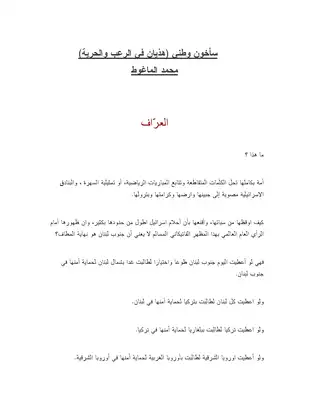
سأخون وطني PDF - Mohammad Al-Maghut
Mohammad Al-Maghut • Politics • 81 Pages
(0)
Quate
Review
Save
Share
Book Description
يُعد «سأخون وطني» للكاتب محمد الماغوط من أبرز الكتب العربية التي تمزج بين الأدب الساخر والنقد السياسي والاجتماعي. صدر الكتاب لأول مرة عام 1987 عن دار المدى للثقافة والنشر (وتوالت له طبعات عديدة لاحقًا عن الدار نفسها ودور نشر أخرى). لا ينتمي الكتاب إلى الرواية أو السيرة الذاتية، بل هو مجموعة من المقالات والخواطر الساخرة التي تعكس رؤية الماغوط الحادة للواقع العربي، بأسلوب يجمع بين البساطة والعمق والمرارة.
يقوم الكتاب على فكرة أساسية تتمثل في نقد الواقع السياسي والاجتماعي العربي من خلال السخرية اللاذعة والمفارقة. يستخدم محمد الماغوط لغة مباشرة وقريبة من القارئ، لكنه يملؤها بالصور البلاغية والإشارات الرمزية التي تكشف التناقضات في حياة الإنسان العربي. لا يعتمد الكتاب على حبكة روائية أو شخصيات ثابتة، وإنما ينتقل بين موضوعات متعددة مثل الحرية، والقمع، والفقر، والبيروقراطية، والوطن، والهوية، وأحلام الإنسان البسيط التي تصطدم بواقع قاسٍ.
تتوالى نصوص الكتاب في شكل مقالات وتأملات قصيرة، يعبّر فيها الكاتب عن خيبة الأمل تجاه الأوضاع العامة، دون أن يفقد حسه الساخر الذي يخفف من قسوة الأفكار المطروحة. يناقش الماغوط العلاقة بين المواطن والسلطة، ويطرح أسئلة حول معنى الانتماء للوطن عندما تغيب العدالة والكرامة. كما يتناول هموم الإنسان اليومية، ويصوّر حياة البسطاء الذين يواجهون الفقر والخوف والقيود، مستخدمًا مفارقات تجعل القارئ يبتسم أحيانًا ويشعر بالحزن في الوقت نفسه.
يناسب «سأخون وطني» القراء المهتمين بالأدب الساخر، والفكر السياسي، والمقالات الأدبية التي تتجاوز السرد التقليدي. كما يلقى اهتمامًا لدى من يرغب في التعرف على أسلوب محمد الماغوط، أحد أبرز الأصوات الأدبية العربية في القرن العشرين. وقد يجد بعض القراء أن كثافة الرموز والإشارات السياسية تتطلب معرفة عامة بالسياق العربي الذي كُتبت فيه النصوص، إلا أن الكثير من أفكار الكتاب لا تزال تحتفظ براهنيتها حتى اليوم.
من أبرز نقاط قوة الكتاب أسلوبه الفريد، إذ يجمع بين الشعرية والسخرية واللغة المكثفة. يمتلك الماغوط قدرة استثنائية على تحويل المواقف اليومية إلى مشاهد تحمل دلالات إنسانية وسياسية واسعة، كما يتميز بإيقاع لغوي يجعل القراءة ممتعة رغم جدية الموضوعات. أما من نقاط الضعف، فقد يرى بعض القراء أن تكرار النبرة التشاؤمية أو غياب البناء القصصي التقليدي يجعل الكتاب أقل ملاءمة لمن يفضلون الروايات ذات الحبكة المتماسكة أو الكتب التي تقدم حلولًا مباشرة للقضايا التي تناقشها.
ما يميز «سأخون وطني» عن كثير من كتب المقالات العربية هو قدرته على الجمع بين النقد الجريء والأدب الراقي، بعيدًا عن الخطابة أو المباشرة المفرطة. فالماغوط لا يقدّم خطابًا سياسيًا تقليديًا، بل يصوغ أفكاره في قالب أدبي ساخر يجعل النصوص قابلة للقراءة بعد عقود من صدورها، وهو ما ساهم في استمرار انتشار الكتاب بين أجيال مختلفة من القراء.
يُعد الكتاب جديرًا بالقراءة لكل من يهتم بالأدب العربي الحديث وبالنصوص التي تمزج بين الفن والنقد الاجتماعي. فرغم ارتباط بعض موضوعاته بمرحلة تاريخية معينة، فإن كثيرًا من تأملاته حول الحرية والكرامة والاغتراب الإنساني ما زالت تحتفظ بقيمتها الفكرية والأدبية. كما يمنح القارئ فرصة للتعرف على تجربة محمد الماغوط، الذي ترك أثرًا بارزًا في الشعر والمسرح والمقالة العربية.
ينتمي «سأخون وطني» إلى سياق ثقافي شهد تصاعد الأسئلة حول الحرية والهوية والواقع السياسي في العالم العربي خلال العقود الأخيرة من القرن العشرين. وقد أسهم هذا السياق في تشكيل رؤية الماغوط الساخرة والناقدة، التي أصبحت علامة مميزة في الأدب العربي المعاصر. ورغم أن الكتاب لم يُعرف بحصوله على جوائز أدبية محددة، فإنه يُعد من أشهر أعمال محمد الماغوط وأكثرها تأثيرًا وانتشارًا، ولا يزال يحظى بإقبال واسع من القراء والباحثين في الأدب العربي.
Mohammad Al-Maghut
Mohammad Al-Maghut was one of the most influential and original literary voices in modern Arabic literature, celebrated as a poet, playwright, journalist, and writer whose works transformed the landscape of contemporary Arabic poetry and drama. Born in 1934 in the town of Salamiyah, Syria, Mohammad Al-Maghut emerged from humble beginnings to become one of the Arab world's most respected literary figures. His writing reflected the struggles, hopes, disappointments, and aspirations of ordinary people, making him a timeless symbol of artistic honesty and intellectual courage. Throughout his career, Mohammad Al-Maghut challenged political oppression, social injustice, and human suffering with a unique blend of poetic sensitivity, sharp satire, and profound emotional depth. His literary legacy continues to inspire readers, writers, scholars, and artists across the Middle East and beyond.
Mohammad Al-Maghut is widely recognized as one of the pioneers of Arabic prose poetry, a literary movement that departed from the strict rhythmic and rhyming traditions of classical Arabic verse. Rather than relying on conventional poetic structures, he embraced free-flowing language that conveyed authentic emotion and vivid imagery. His poems often explored themes of loneliness, exile, poverty, fear, freedom, and the search for dignity in a rapidly changing world. The simplicity of his language made his work accessible to a broad audience, while the philosophical depth and emotional intensity of his writing attracted literary critics and academics. His poetry demonstrated that beauty could emerge from ordinary experiences and that the quiet pain of everyday life deserved a powerful artistic voice.
Growing up in rural Syria profoundly shaped Mohammad Al-Maghut's worldview and literary imagination. The landscapes, traditions, and hardships of village life frequently appeared in his writing, providing vivid settings for reflections on identity and belonging. His early experiences of economic hardship and political uncertainty influenced his lifelong concern for marginalized individuals and those living under oppression. Rather than portraying heroes or historical legends, he focused on ordinary people whose lives reflected the broader realities of Arab society. This human-centered perspective became one of the defining characteristics of his literary style.
Mohammad Al-Maghut's career extended far beyond poetry. He became an acclaimed playwright whose theatrical works combined biting political satire with compelling storytelling. His plays addressed authoritarianism, bureaucracy, corruption, and the contradictions of modern Arab society through memorable characters and witty dialogue. His collaborations with some of the Arab world's most celebrated actors and performers helped bring his ideas to a wider public. These theatrical productions became cultural landmarks because they entertained audiences while encouraging thoughtful reflection about freedom, justice, and human dignity.
In addition to his work in theatre, Mohammad Al-Maghut made significant contributions to Arabic journalism and essay writing. His newspaper columns displayed the same distinctive voice found in his poetry—direct, ironic, compassionate, and intellectually fearless. Through short essays and opinion pieces, he commented on political developments, cultural life, and social change without sacrificing literary elegance. His journalistic writings demonstrated his remarkable ability to transform everyday observations into profound reflections on society and the human condition.
One of the most remarkable qualities of Mohammad Al-Maghut's writing is its emotional honesty. He rarely sought idealized portrayals of life or simplistic solutions to complex problems. Instead, he embraced contradiction, vulnerability, and uncertainty, allowing readers to recognize their own experiences within his words. His poetry frequently balanced sorrow with humor, despair with hope, and anger with compassion. This emotional complexity has enabled his work to remain relevant across generations, as readers continue to discover new meanings in his poems and plays.
Mohammad Al-Maghut also left an enduring influence on younger generations of Arab writers. His innovative approach to language encouraged many poets to experiment with freer forms of expression while maintaining literary quality and emotional authenticity. Scholars frequently study his works within discussions of modern Arabic literature, prose poetry, political satire, and contemporary cultural history. Universities across the Arab world continue to include his writings in literature curricula because they represent a significant turning point in the evolution of Arabic literary expression.
Although much of Mohammad Al-Maghut's writing emerged from the political realities of his time, its appeal extends far beyond specific historical events. His exploration of fear, displacement, longing, identity, love, and human dignity speaks to universal experiences shared by readers from different cultures and generations. His ability to combine lyrical beauty with social criticism remains one of the defining strengths of his literary legacy. Rather than offering direct political slogans, he invited readers to reflect deeply on the human consequences of injustice and the enduring value of freedom.
Mohammad Al-Maghut's influence continues through the ongoing publication, translation, and performance of his works. His poetry collections, theatrical plays, and essays remain widely read throughout the Arabic-speaking world and increasingly attract international scholarly interest. Literary festivals, academic conferences, and cultural institutions continue to celebrate his achievements as one of the greatest modern Arab writers. His commitment to artistic integrity and his unwavering concern for humanity have secured his place among the most respected figures in twentieth-century Arabic literature.
Today, Mohammad Al-Maghut is remembered not only as an extraordinary poet but also as a fearless intellectual whose words gave voice to countless individuals who felt unheard. His literary achievements demonstrate the enduring power of language to challenge injustice, preserve memory, and inspire hope. Through poetry, theatre, journalism, and prose, Mohammad Al-Maghut created a body of work that transcends borders and generations. His writings continue to resonate with readers seeking truth, compassion, and artistic excellence, ensuring that his legacy remains an essential part of both modern Arabic literature and world literary heritage.
Earn Rewards While Reading!
Every 10 pages you read and spent 30 seconds on every page, earns you 5 reward points! Keep reading to unlock achievements and exclusive benefits.
Read
Rate Now
5 Stars
4 Stars
3 Stars
2 Stars
1 Stars
سأخون وطني Quotes
Top Rated
Latest
Quate
Be the first to leave a quote and earn 10 points
instead of 3
'%20/%3e%3c/svg%3e "الأرجوحة")
Comments
Be the first to leave a comment and earn 5 points
instead of 3