

The source of the book
This book is published for the public benefit under a Creative Commons license, or with the permission of the author or publisher. If you have any objections to its publication, please contact us.
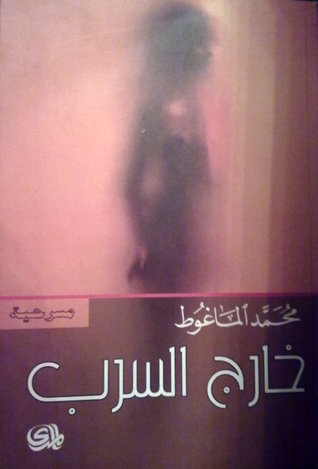
خارج السرب PDF - Mohammad Al-Maghut
Mohammad Al-Maghut • literature • 116 Pages
(0)
Quate
Review
Save
Share
Book Description
يُعد كتاب «خارج السرب» للكاتب السوري محمد الماغوط من الأعمال التي تعكس أسلوبه الساخر والناقد للمجتمع والواقع العربي، وهو من الكتب التي تجمع بين التأملات والنصوص النثرية والمقالات ذات الطابع الأدبي والفكري. صدر الكتاب عن دار المدى، ويُنسب إلى تجربة الماغوط الطويلة في الكتابة الصحفية والأدبية، حيث يقدم رؤيته الخاصة للحياة والإنسان والحرية بلغة مباشرة تمتزج فيها السخرية بالألم.
يعتمد محمد الماغوط في «خارج السرب» على أسلوبه المعروف الذي يبتعد عن التنظير المباشر، فيصوغ أفكاره من خلال مشاهد يومية ومواقف إنسانية وتأملات تكشف تناقضات الواقع. لا يقوم الكتاب على حبكة روائية متسلسلة، بل يتكون من نصوص مستقلة يجمعها خيط فكري واحد يتمثل في رفض القوالب الجاهزة والدفاع عن حرية الفرد في التفكير والتعبير. يناقش الكاتب موضوعات مثل السلطة، والخوف، والوطن، والمنفى، والفقر، والكرامة الإنسانية، بأسلوب يجمع بين الشعرية واللغة الصحفية المكثفة.
الفكرة الأساسية في الكتاب هي أن الإنسان لا ينبغي أن يخضع للقطيع أو يستسلم للأفكار السائدة دون مساءلة، وهو ما يفسر عنوانه «خارج السرب». يدعو الماغوط القارئ إلى النظر إلى العالم بعين ناقدة، مع الحفاظ على الحس الإنساني والتعاطف مع البسطاء والمهمشين. وتبرز في النصوص نزعة وجودية تتساءل عن معنى الحرية والعدالة والهوية، دون أن تتحول إلى خطاب فلسفي معقد، بل تظل قريبة من القارئ بفضل بساطة اللغة وقوة الصورة.
يناسب هذا الكتاب القراء المهتمين بالأدب العربي الحديث، وبالكتابات الفكرية ذات الطابع الأدبي، كما سيجده محبو أسلوب محمد الماغوط مادة غنية لفهم رؤيته للعالم. كذلك يستفيد منه القراء الذين يفضلون النصوص القصيرة والتأملية بدلاً من الروايات الطويلة، بينما قد لا يكون الخيار الأنسب لمن يبحث عن قصة متسلسلة أو أحداث درامية تقليدية.
من أبرز نقاط قوة «خارج السرب» لغته المكثفة والقدرة الكبيرة على تحويل المواقف اليومية إلى تأملات عميقة تحمل أبعادًا إنسانية وسياسية. يمتلك الماغوط أسلوبًا ساخرًا لا يعتمد على النكتة بقدر ما يعتمد على المفارقة، فيجعل القارئ يبتسم أحيانًا ثم يدفعه إلى التفكير في قضايا مؤلمة. كما تتميز نصوصه بالإيقاع الأدبي والصور البلاغية التي تمنحها طابعًا شعريًا رغم أنها مكتوبة في قالب نثري.
أما من نقاط الضعف المحتملة، فإن الطبيعة التجميعية للكتاب قد تجعل بعض القراء يشعرون بتفاوت في قوة النصوص أو بتكرار بعض الأفكار والموضوعات، كما أن كثافة الإشارات السياسية والاجتماعية قد تحتاج إلى معرفة مسبقة بالسياق العربي الذي عاشه الكاتب لفهم بعض الدلالات بصورة أعمق.
ما يميز «خارج السرب» عن كثير من الكتب المشابهة هو صوت محمد الماغوط الفريد، الذي يمزج بين الشعر والنثر والسخرية السوداء دون تكلف. فهو لا يقدم حلولًا جاهزة أو شعارات، بل يترك للقارئ مساحة للتأمل وإعادة التفكير في المسلمات. كما أن لغته البسيطة لا تعني سطحية الأفكار، بل تجعلها أكثر قدرة على الوصول إلى شريحة واسعة من القراء.
ينتمي الكتاب إلى السياق الثقافي والفكري للأدب العربي المعاصر، الذي تأثر بالتحولات السياسية والاجتماعية في المنطقة خلال النصف الثاني من القرن العشرين وبدايات القرن الحادي والعشرين. وتعكس نصوصه تجربة كاتب عايش مراحل مختلفة من التغيير والاضطراب، وهو ما منح كتاباته صدقًا إنسانيًا وحضورًا مستمرًا لدى القراء. ولم يُعرف عن هذا الكتاب تحديدًا حصوله على جوائز أدبية مستقلة، إلا أن محمد الماغوط يُعد من أبرز الأدباء العرب، وترك أثرًا كبيرًا في الشعر الحديث والمسرح والمقالة الأدبية.
في المجمل، يُعد «خارج السرب» لمحمد الماغوط كتابًا جديرًا بالقراءة لكل من يبحث عن نصوص أدبية عميقة تجمع بين السخرية والتأمل والنقد الاجتماعي. إنه عمل يقدم تجربة قراءة مختلفة، لا تعتمد على الأحداث بقدر اعتمادها على قوة الفكرة وجمال اللغة وجرأة الطرح، ويظل شاهدًا على أسلوب أحد أهم الأصوات الأدبية العربية في العصر الحديث.
Mohammad Al-Maghut
Mohammad Al-Maghut was one of the most influential and original literary voices in modern Arabic literature, celebrated as a poet, playwright, journalist, and writer whose works transformed the landscape of contemporary Arabic poetry and drama. Born in 1934 in the town of Salamiyah, Syria, Mohammad Al-Maghut emerged from humble beginnings to become one of the Arab world's most respected literary figures. His writing reflected the struggles, hopes, disappointments, and aspirations of ordinary people, making him a timeless symbol of artistic honesty and intellectual courage. Throughout his career, Mohammad Al-Maghut challenged political oppression, social injustice, and human suffering with a unique blend of poetic sensitivity, sharp satire, and profound emotional depth. His literary legacy continues to inspire readers, writers, scholars, and artists across the Middle East and beyond.
Mohammad Al-Maghut is widely recognized as one of the pioneers of Arabic prose poetry, a literary movement that departed from the strict rhythmic and rhyming traditions of classical Arabic verse. Rather than relying on conventional poetic structures, he embraced free-flowing language that conveyed authentic emotion and vivid imagery. His poems often explored themes of loneliness, exile, poverty, fear, freedom, and the search for dignity in a rapidly changing world. The simplicity of his language made his work accessible to a broad audience, while the philosophical depth and emotional intensity of his writing attracted literary critics and academics. His poetry demonstrated that beauty could emerge from ordinary experiences and that the quiet pain of everyday life deserved a powerful artistic voice.
Growing up in rural Syria profoundly shaped Mohammad Al-Maghut's worldview and literary imagination. The landscapes, traditions, and hardships of village life frequently appeared in his writing, providing vivid settings for reflections on identity and belonging. His early experiences of economic hardship and political uncertainty influenced his lifelong concern for marginalized individuals and those living under oppression. Rather than portraying heroes or historical legends, he focused on ordinary people whose lives reflected the broader realities of Arab society. This human-centered perspective became one of the defining characteristics of his literary style.
Mohammad Al-Maghut's career extended far beyond poetry. He became an acclaimed playwright whose theatrical works combined biting political satire with compelling storytelling. His plays addressed authoritarianism, bureaucracy, corruption, and the contradictions of modern Arab society through memorable characters and witty dialogue. His collaborations with some of the Arab world's most celebrated actors and performers helped bring his ideas to a wider public. These theatrical productions became cultural landmarks because they entertained audiences while encouraging thoughtful reflection about freedom, justice, and human dignity.
In addition to his work in theatre, Mohammad Al-Maghut made significant contributions to Arabic journalism and essay writing. His newspaper columns displayed the same distinctive voice found in his poetry—direct, ironic, compassionate, and intellectually fearless. Through short essays and opinion pieces, he commented on political developments, cultural life, and social change without sacrificing literary elegance. His journalistic writings demonstrated his remarkable ability to transform everyday observations into profound reflections on society and the human condition.
One of the most remarkable qualities of Mohammad Al-Maghut's writing is its emotional honesty. He rarely sought idealized portrayals of life or simplistic solutions to complex problems. Instead, he embraced contradiction, vulnerability, and uncertainty, allowing readers to recognize their own experiences within his words. His poetry frequently balanced sorrow with humor, despair with hope, and anger with compassion. This emotional complexity has enabled his work to remain relevant across generations, as readers continue to discover new meanings in his poems and plays.
Mohammad Al-Maghut also left an enduring influence on younger generations of Arab writers. His innovative approach to language encouraged many poets to experiment with freer forms of expression while maintaining literary quality and emotional authenticity. Scholars frequently study his works within discussions of modern Arabic literature, prose poetry, political satire, and contemporary cultural history. Universities across the Arab world continue to include his writings in literature curricula because they represent a significant turning point in the evolution of Arabic literary expression.
Although much of Mohammad Al-Maghut's writing emerged from the political realities of his time, its appeal extends far beyond specific historical events. His exploration of fear, displacement, longing, identity, love, and human dignity speaks to universal experiences shared by readers from different cultures and generations. His ability to combine lyrical beauty with social criticism remains one of the defining strengths of his literary legacy. Rather than offering direct political slogans, he invited readers to reflect deeply on the human consequences of injustice and the enduring value of freedom.
Mohammad Al-Maghut's influence continues through the ongoing publication, translation, and performance of his works. His poetry collections, theatrical plays, and essays remain widely read throughout the Arabic-speaking world and increasingly attract international scholarly interest. Literary festivals, academic conferences, and cultural institutions continue to celebrate his achievements as one of the greatest modern Arab writers. His commitment to artistic integrity and his unwavering concern for humanity have secured his place among the most respected figures in twentieth-century Arabic literature.
Today, Mohammad Al-Maghut is remembered not only as an extraordinary poet but also as a fearless intellectual whose words gave voice to countless individuals who felt unheard. His literary achievements demonstrate the enduring power of language to challenge injustice, preserve memory, and inspire hope. Through poetry, theatre, journalism, and prose, Mohammad Al-Maghut created a body of work that transcends borders and generations. His writings continue to resonate with readers seeking truth, compassion, and artistic excellence, ensuring that his legacy remains an essential part of both modern Arabic literature and world literary heritage.
Earn Rewards While Reading!
Every 10 pages you read and spent 30 seconds on every page, earns you 5 reward points! Keep reading to unlock achievements and exclusive benefits.
Read
Rate Now
5 Stars
4 Stars
3 Stars
2 Stars
1 Stars
خارج السرب Quotes
Top Rated
Latest
Quate
Be the first to leave a quote and earn 10 points
instead of 3
'%20/%3e%3c/svg%3e "سأخون وطني")
Comments
Be the first to leave a comment and earn 5 points
instead of 3