

The source of the book
This book is published for the public benefit under a Creative Commons license, or with the permission of the author or publisher. If you have any objections to its publication, please contact us.
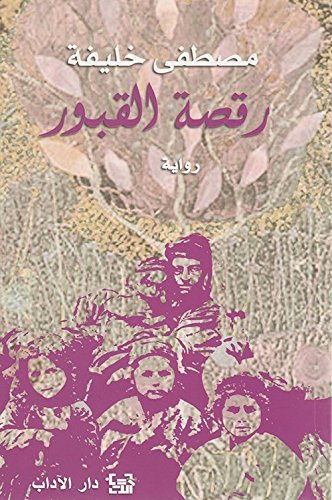
رقصة القبور PDF - Mustafa Khalifa
Mustafa Khalifa • Politics • 320 Pages
(0)
Quate
Review
Save
Share
Book Description
تعد رواية «رقصة القبور: السرداب» للكاتب السوري مصطفى خليفة واحدة من الأعمال التي تمزج بين الرواية السياسية، وأدب السجون، والتخييل التاريخي البديل. صدرت الرواية في طبعتها العربية الأولى عام 2016 عن دار الآداب للنشر والتوزيع في بيروت، ويثبت فهرس WorldCat أنها كتاب مطبوع بالعربية بعنوان «رقصة القبور: السرداب: رواية»، في طبعته الأولى، كما تذكر قواعد بيانات عربية أن عدد صفحاتها 319 صفحة ورقمها الدولي 9789953895178.
تأتي أهمية «رقصة القبور» من اسم مؤلفها أولًا؛ فمصطفى خليفة معروف خصوصًا بروايته «القوقعة»، التي رسخت حضوره بوصفه أحد أبرز الأصوات السورية التي كتبت عن القمع والسجن والسلطة. غير أن «رقصة القبور» لا تعيد التجربة نفسها بشكل مباشر، بل توسعها نحو سؤال أكبر: كيف كان يمكن للتاريخ السوري أن يسير لو تغيرت بعض مفاصله الحاسمة؟ تشير نبذة دار الآداب المتداولة إلى أن الرواية تنطلق من لقاء الراوي في قبو دافئ لمقر جريدة حزب معارض بشخصيتين محوريتين: لميس، المرأة المتمردة، وعبد السلام، الرجل الذي يروي حياة مشبعة بالحب والصراع. ومن هذا اللقاء تتشعب الحكاية بين زنزانة وخلوة وسراديب مليئة بالذهب والنقود، مع عبور أزمنة موسومة بالخلافات والمذابح.
الفكرة الرئيسية في رواية «رقصة القبور» هي مساءلة التاريخ لا بوصفه قدرًا مكتملًا، بل بوصفه احتمالًا كان يمكن أن يتخذ مسارات أخرى. لذلك لا يمكن قراءتها كرواية تاريخية تقليدية، لأنها لا تكتفي بإعادة بناء الماضي، بل تستخدم الخيال لتجريب سؤال «ماذا لو؟». وتذكر رواق ميسلون أن الرواية تفتح باب التخيل حول التاريخ السوري انطلاقًا من فرضية كبرى تتعلق بغياب حافظ الأسد، ثم تربط هذا التخيل بحكايات وأساطير وصراعات قديمة.
ملخص أحداث الرواية يقوم على انتقال الراوي من فضاء سياسي معارض إلى عوالم أعمق وأكثر غرابة. عبد السلام لا يؤدي دور الشخصية العادية، بل يصبح بوابة إلى سرد طويل تتداخل فيه التجربة الشخصية مع تاريخ العنف والسلطة والطائفة والحب. لميس تمنح السرد بعدًا عاطفيًا وتمرديًا، بينما تكشف السراديب والخلوات عن الوجه الخفي للسلطة والثروة والذاكرة. الأحداث لا تسير في خط واقعي بسيط، بل تتنقل بين الواقعي والغرائبي، وبين الحكاية السياسية والتأمل في التاريخ، حتى تبدو القبور في العنوان رمزًا لماضٍ لم يمت، بل يواصل الرقص داخل حاضر الشخصيات.
تناسب رواية «رقصة القبور» القارئ المهتم بالأدب السوري المعاصر، وبالروايات السياسية التي لا تكتفي بالشهادة المباشرة، كما تناسب من يفضل الأعمال المركبة ذات البنية التأملية والتاريخية. لكنها قد لا تكون الخيار الأنسب لقارئ يبحث عن حبكة سريعة أو رواية خطية سهلة؛ فالعمل يحتاج صبرًا مع انتقالاته الزمنية وأجوائه الرمزية وكثافة خلفيته السياسية.
من نقاط قوة الرواية أنها لا تعيد إنتاج أدب السجون بصورة مألوفة، بل تحاول تحويل تجربة العنف السياسي إلى تخييل واسع عن مصير بلد كامل. أسلوب مصطفى خليفة يميل إلى الجرأة في بناء الفرضية، وإلى الجمع بين الحميمي والعام، وبين مصير الفرد ومصير الجماعة. أما نقطة الضعف المحتملة فهي أن هذا الطموح نفسه قد يجعل الرواية مزدحمة بالأفكار والإحالات، وقد يشعر بعض القراء بأن الشخصيات تخدم أحيانًا الفكرة الكبرى أكثر مما تعيش استقلالها الفني الكامل.
ما يميز «رقصة القبور» عن روايات عربية مشابهة أنها لا تكتفي بسؤال الاستبداد، بل تضيف إليه سؤال الاحتمال التاريخي. فهي ليست شهادة سجنية صافية مثل «القوقعة»، وليست رواية تاريخية مدرسية، بل عمل يقع بين السياسة والأسطورة والفانتازيا السوداء. ومن هنا تأتي قيمتها الثقافية؛ فهي تنتمي إلى سياق الأدب السوري بعد عقود من القمع والحرب والمنفى، وتحاول فهم جذور الكارثة عبر الخيال لا عبر التقرير السياسي فقط.
هل تستحق القراءة؟ نعم، خصوصًا لمن يريد التعرف إلى وجه آخر من كتابة مصطفى خليفة بعد «القوقعة». لا تظهر للرواية، في المصادر المتاحة التي توثق بياناتها الأساسية، جوائز أدبية محددة، لكن مصطفى خليفة نفسه حصل عام 2015 على جائزة ابن رشد للفكر الحر في ألمانيا، وهي جائزة تتصل بمكانته الفكرية والسياسية لا بهذه الرواية تحديدًا.
Mustafa Khalifa
Mustafa Khalifa is a Syrian novelist, political writer, and one of the most powerful contemporary Arabic voices associated with prison literature, testimony, exile, and the moral responsibility of narrative. His reputation rests above all on القوقعة, a stark and unforgettable novel shaped by the experience of political detention and by the attempt to turn memory into a form of survival. Khalifa’s writing is often read not only as a literary achievement, but also as a witness to the history of repression in modern Syria and to the wider human condition of people trapped inside systems designed to erase individuality, dignity, and truth. What makes his work especially significant is the disciplined way in which he transforms personal suffering into an artistic structure. He does not write simply to document pain; he writes to examine how fear changes perception, how silence becomes a burden, how the body adapts to humiliation, and how the mind can become the final shelter for a person deprived of ordinary freedom. In القوقعة, the prison is not merely a setting. It becomes a complete world, with its own hierarchy, rituals, codes of violence, fragments of solidarity, and daily negotiations between despair and endurance. Through this world, Khalifa explores the condition of the hidden observer: a person who sees, remembers, and inwardly records what cannot safely be spoken. This focus gives his prose a rare intensity. The narrative often moves with restraint, yet beneath that restraint there is a deep emotional force, because every detail carries the weight of survival. Khalifa’s literary style is marked by precision, severity, and moral clarity. He avoids ornamental language when directness is more powerful, but his scenes remain visually and psychologically vivid. The result is a form of writing that feels both documentary and deeply novelistic, rooted in lived reality while shaped by careful narrative control. His themes include political imprisonment, memory, identity, religious and ideological suspicion, the fragility of the human body, the endurance of conscience, and the difficult return to language after trauma. For readers of modern Arabic fiction, Khalifa occupies an important place because he connects the Syrian prison narrative to broader traditions of world literature about oppression and confinement. His work invites comparison with major writings on captivity and totalitarian violence, yet it remains distinctly Syrian in its historical texture, social details, and emotional atmosphere. Khalifa’s importance also lies in the fact that his novel has reached readers beyond Arabic through translation, allowing international audiences to encounter a crucial strand of Syrian literary experience. His writing offers no easy consolation. Instead, it asks readers to confront the moral consequences of forgetting and the cost of remaining silent before organized cruelty. At the same time, his work affirms the power of narration: even when a prisoner is denied paper, speech, privacy, and agency, the act of remembering can become a form of resistance. For book websites, libraries, and readers searching for Syrian literature, Arabic prison writing, contemporary political fiction, or novels of testimony, Mustafa Khalifa is an essential author. His name stands for literature that combines artistic discipline with historical urgency, and for a kind of storytelling that preserves the voices of those who might otherwise be swallowed by darkness. Through القوقعة and his wider public presence as a writer concerned with Syria’s fate, Khalifa remains a vital figure for understanding how fiction can bear witness, challenge power, and defend the dignity of human memory.
Earn Rewards While Reading!
Every 10 pages you read and spent 30 seconds on every page, earns you 5 reward points! Keep reading to unlock achievements and exclusive benefits.
Read
Rate Now
5 Stars
4 Stars
3 Stars
2 Stars
1 Stars
رقصة القبور Quotes
Top Rated
Latest
Quate
Be the first to leave a quote and earn 10 points
instead of 3
'%20/%3e%3c/svg%3e "القوقعة يوميات متلصص")
Comments
Be the first to leave a comment and earn 5 points
instead of 3