

The source of the book
This book is published for the public benefit under a Creative Commons license, or with the permission of the author or publisher. If you have any objections to its publication, please contact us.
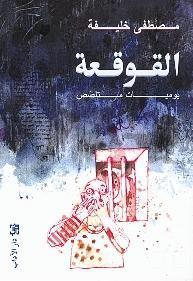
القوقعة يوميات متلصص PDF - Mustafa Khalifa
Mustafa Khalifa • Drama novels • 368 Pages
(0)
Quate
Review
Save
Share
Book Description
رواية «القوقعة: يوميات متلصص» للكاتب السوري مصطفى خليفة من أهم أعمال أدب السجون في الأدب العربي الحديث. صدرت طبعتها العربية الأولى عن دار الآداب في بيروت عام 2008، وتُصنّفها الدار ضمن فئة أدب السجون، مع 384 صفحة في بيانات الناشر، كما ترد بيانات الطبعة الأولى لدى مكتبة أنطوان بتاريخ 1 يناير 2008، باللغة العربية، عن دار الآداب.
تقوم الفكرة الرئيسية في «القوقعة» على فضح آلية سحق الإنسان داخل السجن السياسي، لا بوصفه مكانًا للعقوبة فقط، بل بوصفه نظامًا كاملًا لعزل الفرد عن جسده وذاكرته وهويته. بطل الرواية شاب عائد من فرنسا بعد دراسة الإخراج السينمائي، يُعتقل عند وصوله إلى مطار بلده، ويُزج به في السجن سنوات طويلة من دون محاكمة واضحة أو معرفة حقيقية بالتهمة. في النسخة الإنجليزية الرسمية من الكتاب، يرد أن الراوي ملحد يُظن خطأ أنه إسلامي متطرف، ويقضي ثلاثة عشر عامًا بلا محاكمة في أحد أشهر سجون الشرق الأوسط قسوة.
تسير أحداث رواية «القوقعة يوميات متلصص» عبر ذاكرة الراوي أكثر مما تسير عبر حبكة تقليدية. فهو لا يملك دفترًا يكتب فيه، بل يحفظ اليوميات في رأسه، ثم يعيد تدوينها بعد الخروج. داخل السجن، يعيش بين السجانين والعنف والجوع والمرض والخوف، وفي الوقت نفسه يبقى غريبًا حتى بين السجناء، لأن هويته الدينية والفكرية تجعله موضع شك ورفض. معنى “القوقعة” يتكون تدريجيًا: إنها العزلة التي يحتمي بها الإنسان حين يصبح الكلام خطرًا، والنظر فعلًا من أفعال النجاة، والذاكرة آخر مساحة للحرية.
الرواية مناسبة للقارئ المهتم بالأدب السياسي، وأدب السجون، والتاريخ السوري المعاصر، وتجارب الإنسان في أقصى حالات القهر. لكنها ليست خيارًا مناسبًا لمن يبحث عن قراءة خفيفة أو رواية ترفيهية، لأن مشاهد التعذيب والإذلال والعنف النفسي قاسية ومباشرة. قوة مصطفى خليفة تكمن في أسلوبه البارد ظاهريًا والمشحون داخليًا؛ فهو لا يبالغ في البلاغة، بل يترك التفاصيل اليومية تكشف الرعب. هذه اللغة الجافة أحيانًا تمنح النص صدقيته، لكنها قد تكون نقطة ضعف عند بعض القراء الذين يفضّلون بناءً روائيًا أكثر تنوعًا أو شخصيات جانبية مرسومة بعمق أكبر.
ما يميز «القوقعة» عن كتب كثيرة في أدب السجون أنها لا تكتفي بتسجيل الألم، بل تفكك معنى المراقبة والصمت والنبذ داخل مجتمع السجن نفسه. الراوي “متلصص” لأنه يرى ولا يستطيع المشاركة، يسمع ولا يستطيع الاعتراض، ويحيا في هامش مزدوج: هامش السلطة التي تعذبه، وهامش الجماعة السجينة التي لا تثق به. لذلك تبدو الرواية قريبة من الشهادة والسيرة، لكنها تستخدم أدوات الرواية، مثل الصوت الداخلي، والمشهدية السينمائية، والتقطيع الزمني.
ثقافيًا وفكريًا، تنتمي «القوقعة: يوميات متلصص» إلى موجة الكتابة العربية التي واجهت الاستبداد وكشفت المسكوت عنه في السجون السياسية، خصوصًا في السياق السوري. وقد اكتسبت أهمية إضافية بعد اتساع الاهتمام العالمي بتجارب الاعتقال والقمع في سوريا؛ فالطبعة الإنجليزية «The Shell: Memoirs of a Hidden Observer» صدرت بترجمة بول ستاركي عن Interlink Books، وتعرضها صفحة الناشر الرسمية بوصفها رواية سياسية عن العنف والوحشية في السجون السورية.
هل تستحق القراءة؟ نعم، لكنها قراءة مؤلمة. قيمة رواية «القوقعة» ليست في المتعة التقليدية، بل في قدرتها على جعل القارئ يفهم كيف يتحول السجن إلى عالم كامل بقوانينه ولغته ورعبه. أما الجوائز، فلم أجد في بيانات الناشر والمصادر الرسمية التي راجعتها ما يثبت حصول الرواية نفسها على جائزة أدبية معروفة، لذا من الأفضل عدم تكرار أي ادعاءات غير موثقة حول جوائزها. قيمتها الحقيقية جاءت من أثرها القرائي والنقدي، ومن مكانتها بوصفها نصًا صادمًا في أدب السجون العربي.
Mustafa Khalifa
Mustafa Khalifa is a Syrian novelist, political writer, and one of the most powerful contemporary Arabic voices associated with prison literature, testimony, exile, and the moral responsibility of narrative. His reputation rests above all on القوقعة, a stark and unforgettable novel shaped by the experience of political detention and by the attempt to turn memory into a form of survival. Khalifa’s writing is often read not only as a literary achievement, but also as a witness to the history of repression in modern Syria and to the wider human condition of people trapped inside systems designed to erase individuality, dignity, and truth. What makes his work especially significant is the disciplined way in which he transforms personal suffering into an artistic structure. He does not write simply to document pain; he writes to examine how fear changes perception, how silence becomes a burden, how the body adapts to humiliation, and how the mind can become the final shelter for a person deprived of ordinary freedom. In القوقعة, the prison is not merely a setting. It becomes a complete world, with its own hierarchy, rituals, codes of violence, fragments of solidarity, and daily negotiations between despair and endurance. Through this world, Khalifa explores the condition of the hidden observer: a person who sees, remembers, and inwardly records what cannot safely be spoken. This focus gives his prose a rare intensity. The narrative often moves with restraint, yet beneath that restraint there is a deep emotional force, because every detail carries the weight of survival. Khalifa’s literary style is marked by precision, severity, and moral clarity. He avoids ornamental language when directness is more powerful, but his scenes remain visually and psychologically vivid. The result is a form of writing that feels both documentary and deeply novelistic, rooted in lived reality while shaped by careful narrative control. His themes include political imprisonment, memory, identity, religious and ideological suspicion, the fragility of the human body, the endurance of conscience, and the difficult return to language after trauma. For readers of modern Arabic fiction, Khalifa occupies an important place because he connects the Syrian prison narrative to broader traditions of world literature about oppression and confinement. His work invites comparison with major writings on captivity and totalitarian violence, yet it remains distinctly Syrian in its historical texture, social details, and emotional atmosphere. Khalifa’s importance also lies in the fact that his novel has reached readers beyond Arabic through translation, allowing international audiences to encounter a crucial strand of Syrian literary experience. His writing offers no easy consolation. Instead, it asks readers to confront the moral consequences of forgetting and the cost of remaining silent before organized cruelty. At the same time, his work affirms the power of narration: even when a prisoner is denied paper, speech, privacy, and agency, the act of remembering can become a form of resistance. For book websites, libraries, and readers searching for Syrian literature, Arabic prison writing, contemporary political fiction, or novels of testimony, Mustafa Khalifa is an essential author. His name stands for literature that combines artistic discipline with historical urgency, and for a kind of storytelling that preserves the voices of those who might otherwise be swallowed by darkness. Through القوقعة and his wider public presence as a writer concerned with Syria’s fate, Khalifa remains a vital figure for understanding how fiction can bear witness, challenge power, and defend the dignity of human memory.
Earn Rewards While Reading!
Every 10 pages you read and spent 30 seconds on every page, earns you 5 reward points! Keep reading to unlock achievements and exclusive benefits.
Read
Rate Now
5 Stars
4 Stars
3 Stars
2 Stars
1 Stars
القوقعة يوميات متلصص Quotes
Top Rated
Latest
Quate
Be the first to leave a quote and earn 10 points
instead of 3
'%20/%3e%3c/svg%3e "رقصة القبور")
Comments
Be the first to leave a comment and earn 5 points
instead of 3