

The source of the book
This book is published for the public benefit under a Creative Commons license, or with the permission of the author or publisher. If you have any objections to its publication, please contact us.
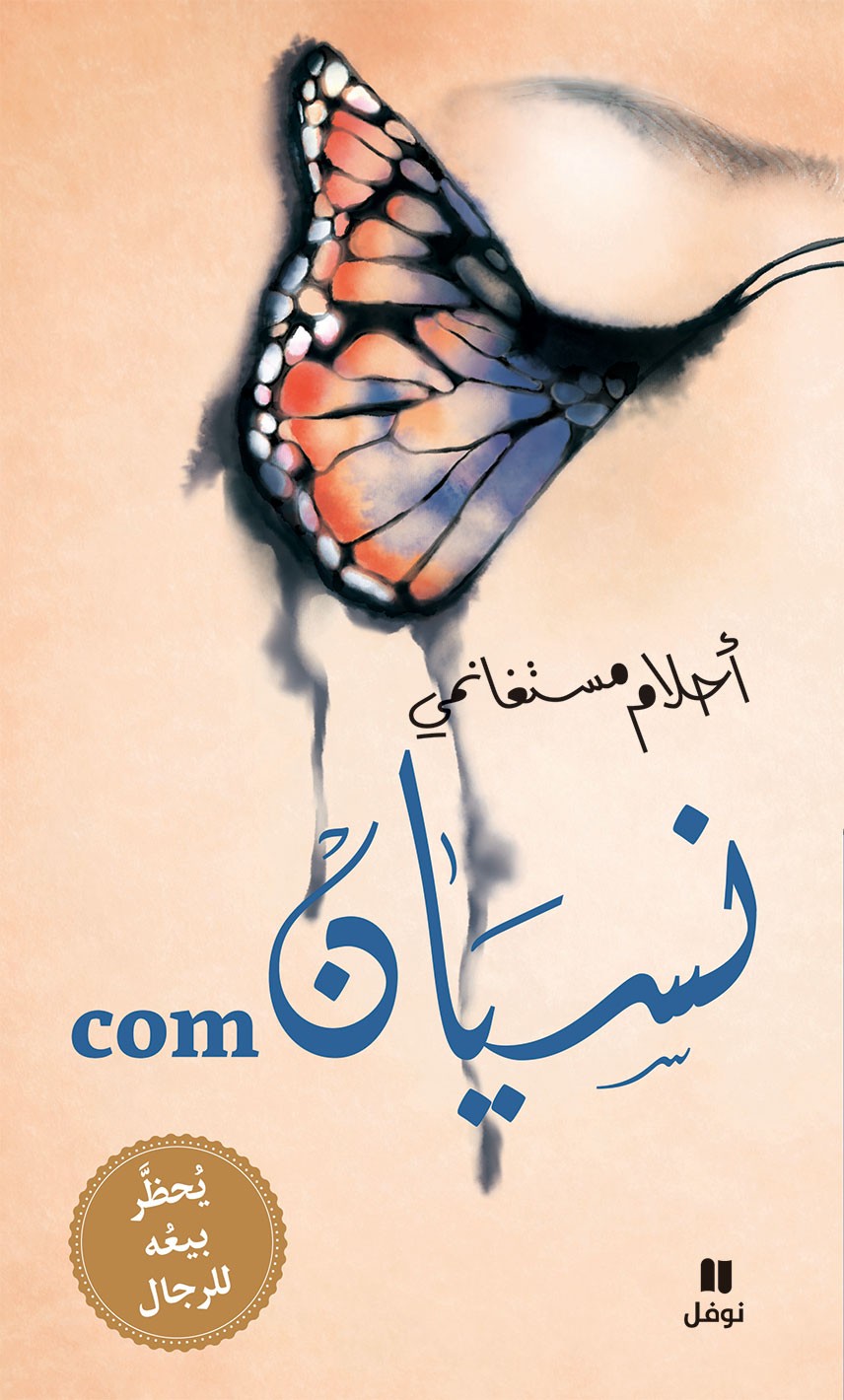
com نسيان PDF - Ahlam Mosteghanemi
Ahlam Mosteghanemi • Literary novels • 470 Pages
(0)
Author
Ahlam MosteghanemiCategory
literatureSection
Number Of Downloads
62
Number Of Reads
205
File Size
0.96 MB
Views
1,772
Quate
Review
Save
Share
Book Description
كتاب «نسيان» أو «نسيان com» للكاتبة الجزائرية أحلام مستغانمي هو عمل أدبي نثري صدر أولًا عام 2009، ثم ظهرت له طبعة جديدة ومنقّحة عن نوفل/هاشيت أنطوان بتاريخ 18 أبريل 2013، كما ترد بيانات بعض الطبعات العربية المتداولة باسم دار الآداب. تضعه دار النشر ضمن فئة «شعر وكتابة حرّة»، لا بوصفه رواية تقليدية ذات حبكة وشخصيات متتابعة، بل كتابًا يمزج بين السرد، التأمل، السخرية، النصيحة العاطفية، واللغة الشعرية التي اشتهرت بها أحلام مستغانمي. وتشير صفحة الناشر إلى أن الكتاب يقدّم خلاصة نصائح وإرشادات موجهة إلى النساء المتألمات من الحب، مع قصص عن نساء عانين من الفقد والخذلان، ووصفات رمزية للتخلص من عذاب الذاكرة بعد رحيل الحبيب.
في «نسيان» تكتب أحلام مستغانمي عن الحب من زاوية ما بعد الانكسار، لا من لحظة البدايات الرومانسية. فالكتاب يخاطب امرأة خرجت من علاقة عاطفية موجعة، لكنها لم تستطع الخروج من تفاصيلها الداخلية: الرسائل، الذكريات، الأماكن، الأغنيات، العادات الصغيرة، وانتظار عودة من غادر. ومن هنا يتحول النسيان في الكتاب إلى فعل مقاومة، لا إلى ضعف أو هروب. فالمؤلفة لا تقدّم قصة واحدة ببطلة محددة، بل تبني خطابًا أدبيًا مفتوحًا يشبه دليلًا عاطفيًا ساخرًا وحادًا في الوقت نفسه، موجّهًا إلى كل امرأة تحاول استعادة نفسها بعد علاقة أرهقتها.
يعتمد محتوى كتاب «نسيان» على فكرة أساسية مفادها أن الذاكرة قد تتحول إلى شكل من أشكال الأسر حين تبقى المرأة معلّقة برجل لم يعد حاضرًا إلا بوصفه ألمًا. لذلك تدعو أحلام مستغانمي قارئاتها إلى تحرير الذات من سلطة الماضي، وإلى التعامل مع الفراق باعتباره بداية وعي جديد لا نهاية الحياة. لكنها تفعل ذلك بأسلوب بعيد عن الوعظ المباشر؛ إذ تستخدم الجملة الشاعرية، والمفارقة، والنبرة الساخرة، والعبارات القريبة من لغة الاعترافات النسائية، لتجعل النص قريبًا من القارئة التي تبحث عن عزاء وعن قوة في آن واحد.
لا يدور الكتاب حول حبكة روائية تقليدية فيها بداية وذروة ونهاية، بل حول رحلة نفسية من التعلق إلى الانفصال الداخلي. تبدأ هذه الرحلة من الاعتراف بالألم، ثم تمر بمحاولة فهم أسباب التعلق، ثم تصل إلى الدعوة إلى استعادة الكرامة الشخصية والتوقف عن تمجيد الغائب. وفي أثناء ذلك تطرح مستغانمي تصوراتها عن الرجولة والأنوثة، وعن أخطاء النساء في الحب، وعن الميل إلى التضحية الزائدة، وعن خطورة تحويل الحبيب إلى مركز الحياة كلها. كما تورد قصصًا ونماذج لنساء عذبهن الحب، لا لتصنع منهن بطلات مأساويات، بل لتقول إن الخروج من الخيبة ممكن حين تتغير علاقة المرأة بذاكرتها وبصورتها عن نفسها.
يمتاز كتاب «نسيان» لأحلام مستغانمي بلغته المكثفة التي تجمع بين الرقة والقسوة، وبين النصيحة والتهكم. وقد ساعد هذا الأسلوب على انتشار مقاطع كثيرة منه بين القراء وعلى مواقع التواصل، وهو ما ينسجم مع طبيعته ككتاب قابل للاقتباس والتداول. وتذكر صفحة هاشيت أنطوان أن الطبعة الجديدة والمنقحة جعلت الكتاب مادة جاذبة للنساء في العالم العربي، وأن بعض طبعاته جاءت مرفقة بقرص موسيقي يضم قصائد للكاتبة تؤديها الفنانة جاهدة وهبه.
أهمية «نسيان» لا تكمن في تقديم حلول نفسية علمية بقدر ما تكمن في تحويل تجربة الفراق إلى نص أدبي قابل للمواساة والتأمل. فهو كتاب عن الذاكرة حين تؤلم، وعن الحب حين يفقد توازنه، وعن المرأة حين تقرر ألا تبقى رهينة لانتظار لا يعود. وبذلك يظل «نسيان» من أكثر كتب أحلام مستغانمي التصاقًا بتجربة القارئات العاطفية، لأنه لا يروي حكاية حب مكتملة، بل يكتب ما يحدث بعد نهايتها: كيف ننجو، كيف نغلق الباب، وكيف نتعلم أن النسيان أحيانًا ليس خيانة للحب، بل وفاء للذات.
Ahlam Mosteghanemi
Ahlam Mosteghanemi is an Algerian novelist, poet, and literary figure whose work occupies a distinguished place in modern Arabic literature, especially for readers interested in Arabic fiction, women’s writing, memory, exile, love, and the history of postcolonial Algeria. Born in Tunis during a period marked by the Algerian struggle for independence, she grew up within a family and national atmosphere shaped by displacement, political commitment, and the dream of return. This background became a powerful emotional and intellectual foundation for her writing, giving her novels a rare ability to connect private passion with collective history. She is widely known for writing in Arabic with an intense poetic style, and her name is strongly associated with the renewal of the Arabic novel through language that is lyrical, symbolic, and emotionally charged. Her breakthrough novel, Memory in the Flesh, established her as one of the most important Arabic-language novelists of her generation. The novel turns the body into a metaphor for the wounded homeland and transforms a love story into a meditation on revolution, loss, memory, and betrayal. Through this work and the novels that followed, including Chaos of the Senses, Bed Hopper, and Black Suits You So Well, Mosteghanemi developed a literary universe where love is never merely personal; it is tied to nation, language, history, dignity, and the burdens of memory. Her fiction is often read for its romantic intensity, yet its deeper strength lies in the way it examines the contradictions of the Arab world: the tension between idealism and disappointment, belonging and exile, desire and restraint, liberation and disillusionment. Ahlam Mosteghanemi’s prose is instantly recognizable because it gives each sentence a musical and aphoristic quality, often making her writing memorable beyond the boundaries of the novel itself. She has reached a broad readership while maintaining a serious literary identity, a combination that has made her one of the most widely read Arab authors and a frequent point of reference in discussions of contemporary Arabic literature. Her importance also lies in the way she placed the female voice at the center of historical narration. In her work, women are not passive figures placed inside national history; they are active witnesses, thinkers, lovers, and narrators who question inherited ideas about identity, loyalty, and freedom. This makes her writing particularly significant for readers exploring Arab women’s literature and feminist perspectives in Arabic fiction. At the same time, Mosteghanemi’s novels resist simple classification. They are political without being conventional political novels, romantic without being limited to romance, and poetic without abandoning narrative structure. Her use of Algeria as both a real country and a symbolic landscape gives her books a layered quality: the city, the body, the memory, and the beloved often mirror one another. This ability to merge personal emotion with national trauma explains the lasting influence of her work. She has also written essays and reflective texts that extend her interest in love, forgetting, language, and emotional survival, including works connected to the theme of forgetting and the art of detachment. For book websites, author pages, and literary catalogs, Ahlam Mosteghanemi can be described as a writer who transformed the Arabic novel into a space where history speaks through passion and where memory becomes both a wound and a form of resistance. Her legacy is not only in the popularity of her books, but also in the distinctive voice she created: elegant, intense, wounded, proud, and deeply attached to the Arabic language as a home for identity and beauty.
Earn Rewards While Reading!
Every 10 pages you read and spent 30 seconds on every page, earns you 5 reward points! Keep reading to unlock achievements and exclusive benefits.
Read
Rate Now
5 Stars
4 Stars
3 Stars
2 Stars
1 Stars
com نسيان Quotes
Top Rated
Latest
Quate
Be the first to leave a quote and earn 10 points
instead of 3
'%20/%3e%3c/svg%3e "أكاذيب سمكة")
Comments
Be the first to leave a comment and earn 5 points
instead of 3