

The source of the book
This book is published for the public benefit under a Creative Commons license, or with the permission of the author or publisher. If you have any objections to its publication, please contact us.
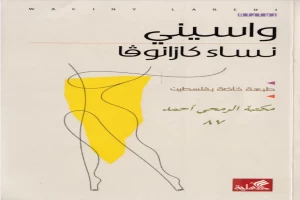
نساء كازانوفا PDF - wasini al'aeraj
wasini al'aeraj • Literary novels • 523 Pages
(0)
Author
wasini al'aerajCategory
literatureSection
Number Of Downloads
61
Number Of Reads
65
File Size
9.46 MB
Views
1,045
Quate
Review
Save
Share
Book Description
كتاب نساء كازانوفا للكاتب واسيني الأعرج هو رواية عربية صدرت لأول مرة عام 2017 عن منشورات ضفاف بالتعاون مع منشورات الاختلاف ودار الأمان. تنتمي الرواية إلى الأدب النفسي والاجتماعي، وتواصل اهتمام واسيني الأعرج باستكشاف تعقيدات النفس الإنسانية والعلاقات العاطفية، مع توظيف أسلوب أدبي يمزج بين التأمل الفلسفي والسرد الروائي. وقد حظيت الرواية باهتمام القراء والنقاد لما تطرحه من أسئلة حول الحب والحرية والهوية، دون أن تُعرف بحصولها على جوائز أدبية مستقلة.
تدور الفكرة الأساسية في نساء كازانوفا حول صورة الرجل الذي يحمل ملامح "كازانوفا" بوصفه رمزًا للإغواء والعلاقات المتعددة، لكن الرواية لا تكتفي بهذا التصور التقليدي، بل تعيد النظر فيه من خلال النساء اللواتي يعبرن حياته، حيث تصبح كل شخصية نسائية نافذة تكشف جانبًا مختلفًا من الشخصية الإنسانية. يناقش واسيني الأعرج فكرة أن العلاقات العاطفية ليست مجرد قصص حب، بل هي مساحة للصراع بين الرغبة والذاكرة والخذلان والبحث المستمر عن الذات.
تتابع أحداث الرواية شخصيات متعددة تتشابك مصائرها عبر سلسلة من العلاقات الإنسانية المعقدة. ومع تقدم السرد، تتكشف الخلفيات النفسية والاجتماعية لكل شخصية، فتظهر مشاعر الحب والغيرة والفقد والحنين في صورة متداخلة. يعتمد الكاتب على التنقل بين الأزمنة والذكريات، مما يمنح الرواية عمقًا نفسيًا ويجعل القارئ يكتشف الشخصيات تدريجيًا، بعيدًا عن الأحكام السريعة أو التصنيفات التقليدية. وبدلًا من التركيز على الحدث وحده، تمنح الرواية مساحة واسعة للتأمل في أثر التجارب العاطفية على تكوين الإنسان ونظرته إلى العالم.
تناسب هذه الرواية القراء الذين يفضلون الأدب العربي الحديث والروايات التي تهتم بالتحليل النفسي أكثر من الإثارة أو الأحداث المتسارعة. كما أنها تلائم محبي أسلوب واسيني الأعرج القائم على اللغة الشعرية والرمزية، وعلى بناء الشخصيات بعمق، بينما قد يجد من يفضل السرد السريع أو الحبكات المباشرة أن إيقاع الرواية هادئ ويتطلب قدرًا من الصبر والتركيز.
من أبرز نقاط قوة الرواية لغتها الأدبية الرفيعة، وقدرة الكاتب على رسم شخصيات تحمل أبعادًا إنسانية معقدة، إضافة إلى الحوار الداخلي الذي يمنح الشخصيات مصداقية وعمقًا. كما ينجح واسيني الأعرج في طرح أسئلة فلسفية حول الحب والحرية والذاكرة دون أن تتحول الرواية إلى خطاب مباشر. في المقابل، قد يرى بعض القراء أن كثافة التأملات والاستطرادات الفكرية تُبطئ إيقاع الأحداث، وأن البناء الزمني غير الخطي يتطلب انتباهًا أكبر لمتابعة تفاصيل السرد.
ما يميز نساء كازانوفا عن كثير من الروايات العربية التي تتناول العلاقات العاطفية هو أنها لا تقدم قصة حب تقليدية، بل تجعل من العلاقة الإنسانية مدخلًا للتأمل في الهوية والذاكرة والهشاشة النفسية. كما أن الكاتب يبتعد عن تقديم شخصيات مثالية أو أحكام أخلاقية جاهزة، مفضلًا ترك مساحة للقارئ كي يفسر دوافع الشخصيات ويكوّن رؤيته الخاصة.
تأتي الرواية ضمن السياق الثقافي للأدب العربي المعاصر الذي يهتم بإعادة قراءة العلاقات الإنسانية في ظل التحولات الاجتماعية والثقافية، وهو اتجاه يظهر بوضوح في معظم أعمال واسيني الأعرج. ويستفيد الكاتب من خبرته الطويلة في المزج بين الواقعي والرمزي، ليقدم عملًا يوازن بين البعد الإنساني والأسلوب الأدبي.
بشكل عام، تُعد نساء كازانوفا قراءة جديرة بالاهتمام لمحبي الروايات النفسية والأدبية، خاصة لمن يستمتع باللغة الثرية والشخصيات المركبة والأسئلة الفكرية التي تبقى مفتوحة بعد انتهاء القراءة. إنها ليست رواية تعتمد على المفاجآت بقدر ما تعتمد على استكشاف أعماق الإنسان، وهو ما يجعلها تجربة أدبية مميزة ضمن أعمال واسيني الأعرج.
wasini al'aeraj
Waciny Laredj is one of the most distinguished contemporary Algerian novelists, intellectuals, and academics in the Arab world. Born on August 8, 1954, in Tlemcen, Algeria, he grew up during a period marked by political struggles and the aftermath of French colonial rule. These historical and cultural experiences profoundly influenced his literary vision, making history, memory, identity, exile, and cultural heritage central themes in his works.
Laredj pursued higher education in Arabic language and literature, eventually earning a doctorate in modern Arabic literature. Throughout his academic career, he has taught at several prestigious universities in Algeria and abroad, contributing significantly to the study of Arabic literature. In addition to his work as a professor, he has participated in numerous international literary conferences and cultural forums, earning recognition as both a scholar and a creative writer.
Waciny Laredj is celebrated for his unique narrative style, which combines historical facts with fiction, poetic language, and philosophical reflection. His novels often blur the boundaries between reality and imagination, inviting readers to explore complex human emotions and historical events from fresh perspectives. Rather than presenting history as a fixed sequence of events, he reimagines it through the lives and memories of his characters, giving voice to individuals who have often been overlooked or forgotten.
One of the defining characteristics of Laredj’s writing is his exploration of identity. His characters frequently struggle with questions of belonging, displacement, and cultural conflict. These themes reflect not only Algeria’s colonial history and its search for national identity but also broader human experiences shared by people across different cultures. His works emphasize the importance of preserving memory while embracing dialogue between civilizations.
Among his most acclaimed novels are The Book of the Emir, The House of Andalusian Longing, and The Lady of the Stations. These works have received widespread praise for their literary depth, historical richness, and emotional resonance. Many of his novels have been translated into English, French, Spanish, Italian, German, Persian, Turkish, and several other languages, allowing readers around the world to appreciate his contribution to world literature.
Laredj’s literary achievements have earned him numerous awards and honors. His novels have frequently appeared on the longlists and shortlists of major Arab literary prizes, and he is widely regarded as one of the leading voices of modern Arabic fiction. Critics admire his ability to weave together historical research, lyrical prose, and psychological insight, creating narratives that are both intellectually stimulating and emotionally engaging.
A recurring subject in his writing is the relationship between history and memory. He believes that literature serves as a bridge between the past and the present, enabling societies to reflect upon their collective experiences. Through his novels, readers encounter historical figures, artists, political leaders, and ordinary people whose stories illuminate the complexities of human existence. His narratives encourage readers to question official historical accounts and consider multiple perspectives.
Another notable aspect of Waciny Laredj’s work is his commitment to intercultural dialogue. Having lived and taught in different countries, he has developed a cosmopolitan outlook that values diversity, tolerance, and mutual understanding. His fiction frequently explores encounters between Eastern and Western cultures, highlighting both tensions and possibilities for coexistence. This global perspective has made his works relevant not only to Arab readers but also to international audiences interested in themes of migration, identity, and cultural exchange.
In addition to fiction, Laredj has contributed extensively to literary criticism and cultural studies. He has written essays examining the evolution of the Arabic novel, the relationship between literature and history, and the challenges facing contemporary Arab writers. His academic background enriches his creative work, allowing him to combine rigorous scholarship with artistic imagination.
Today, Waciny Laredj is considered one of the most influential figures in modern Arabic literature. His novels continue to inspire readers, students, and researchers through their rich storytelling, profound philosophical insights, and compassionate portrayal of the human condition. By blending history, memory, imagination, and poetic language, he has created a distinctive literary voice that transcends national boundaries. His enduring contribution to Arabic and world literature reflects his dedication to preserving cultural heritage while encouraging dialogue, understanding, and hope among diverse communities.
Earn Rewards While Reading!
Every 10 pages you read and spent 30 seconds on every page, earns you 5 reward points! Keep reading to unlock achievements and exclusive benefits.
Read
Rate Now
5 Stars
4 Stars
3 Stars
2 Stars
1 Stars
نساء كازانوفا Quotes
Top Rated
Latest
Quate
Be the first to leave a quote and earn 10 points
instead of 3
'%20/%3e%3c/svg%3e "مرايا الضرير")
Comments
Be the first to leave a comment and earn 5 points
instead of 3