

The source of the book
This book is published for the public benefit under a Creative Commons license, or with the permission of the author or publisher. If you have any objections to its publication, please contact us.
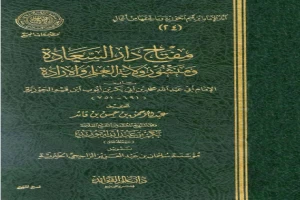
مفتاح دار السعادة ومنشور ولاية العلم والإرادة PDF - Ibn Qayyim Al-Jawzia
Ibn Qayyim Al-Jawzia • Islam • 1,889 Pages
(0)
Author
Ibn Qayyim Al-JawziaCategory
ReligionsSection
Number Of Downloads
54
Number Of Reads
54
File Size
30.79 MB
Views
1,206
Quate
Review
Save
Share
Book Description
يُعد كتاب «مفتاح دار السعادة ومنشور ولاية العلم والإرادة» من أشهر كتب الإمام شمس الدين ابن قيم الجوزية في بيان منزلة العلم وأثره في صلاح القلب والعمل، وهو ليس رواية ذات حبكة وشخصيات، بل كتاب ديني فكري يجمع بين الوعظ، والاستدلال الشرعي، والتأمل في آيات الله في النفس والكون. مؤلفه هو أبو عبد الله محمد بن أبي بكر بن أيوب ابن قيم الجوزية، المولود سنة 691هـ والمتوفى سنة 751هـ. وبما أن الكتاب من المصنفات التراثية، فلا يصح إسناد “سنة نشر أصلية” حديثة إليه؛ لذلك تعتمد بيانات النشر غالبًا على الطبعات المحققة. ومن الطبعات المعتمدة طبعة دار عطاءات العلم بالرياض ودار ابن حزم ببيروت، بتحقيق عبد الرحمن بن حسن بن قائد، وصدرت طبعتها الثالثة سنة 1440هـ/2019م في ثلاثة أجزاء، وهي من «آثار الإمام ابن قيم الجوزية وما لحقها من أعمال». كما توجد طبعات أخرى، منها طبعة دار الكتب العلمية في بيروت، وطبعة دار ابن عفان بتحقيق علي حسن عبد الحميد الحلبي سنة 1416هـ/1996م.
يدور كتاب «مفتاح دار السعادة ومنشور ولاية العلم والإرادة» حول فكرة مركزية واضحة: أن السعادة الحقيقية لا تنال بالهوى أو الجاه أو مجرد كثرة العمل، بل بمعرفة الحق وإرادة الخير والعمل بمقتضى العلم. ومن هنا يربط ابن قيم الجوزية بين العلم والإرادة، فالعلم يكشف للإنسان طريق الهداية، والإرادة الصالحة تدفعه إلى اتباع هذا الطريق. يبدأ الكتاب من قضايا عقدية وتربوية كبرى، مثل معنى الهداية، وحاجة القلب إلى العلم، وخطورة الإعراض عن الوحي، ثم ينتقل إلى بيان فضل العلم وشرفه ووجوه تفضيله على غيره من النوافل، مستشهدًا بالقرآن والسنة وآثار السلف وأقوال العلماء. ويظهر من فهرس الكتاب أنه يفصل في عشرات الوجوه التي تبيّن قيمة العلم، مثل كون العلم حياة القلب، وسببًا للخشية، وطريقًا لمعرفة الله وعبادته على بصيرة.
ثم يوسع ابن القيم دائرة الحديث من فضائل العلم إلى التفكر في خلق الله، فيعرض أمثلة من خلق الإنسان، والأرض، والهواء، والليل والنهار، والشمس والقمر، والنجوم، لا بوصفها موضوعات طبيعية مستقلة فقط، بل دلائل على الحكمة الإلهية وحسن التدبير. ويهدف هذا المسار إلى ترسيخ الإيمان بالعقل والتأمل، وإلى جعل النظر في الكون وسيلة لمعرفة الخالق لا مجالًا للغفلة أو الادعاء الباطل. وتذكر بعض النبذ المعاصرة للكتاب أنه يتناول أيضًا الحكمة في خلق الإنسان والكون، وحاجة الناس إلى الشريعة، وقضايا مثل التفاؤل والتشاؤم والطيرة والعدوى، مع الرد على المنجمين وأصحاب الأبراج في ادعاء معرفة الغيب.
ومحتوى الكتاب لا يسير كسرد قصصي، بل كرحلة فكرية وروحية طويلة، ينتقل فيها القارئ من بيان أصل السعادة إلى شروطها العملية. فالسعادة عند ابن قيم الجوزية ثمرة اجتماع العلم النافع والإرادة الصادقة؛ فإذا عرف الإنسان ربه، وفهم غاية وجوده، وأدرك الفرق بين الهدى والضلال، صار أقدر على تهذيب قلبه وسلوكه. ويُكثر المؤلف من المقابلات بين العلم والجهل، والبصيرة والعمى، والاتباع والإعراض، ليجعل القارئ أمام اختيار أخلاقي ومعرفي لا مجرد معلومات نظرية.
تكمن أهمية «مفتاح دار السعادة ومنشور ولاية العلم والإرادة» في أنه يقدم خلاصة واسعة من مشروع ابن القيم في التزكية والإيمان: إصلاح القلب يبدأ بالعلم، والعلم لا يكتمل إلا إذا صار باعثًا على عبادة صحيحة وإرادة مستقيمة. لذلك يناسب الكتاب القارئ المهتم بكتب ابن قيم الجوزية، وكتب التزكية، وفضل العلم، والفكر الإسلامي التراثي، مع التنبيه إلى أنه كتاب مطوّل يحتاج إلى قراءة متأنية بسبب كثرة استطراداته واستدلالاته وتنوع موضوعاته.
Ibn Qayyim Al-Jawzia
Ibn Qayyim Al-Jawzia is one of the most influential Muslim scholars, authors, and spiritual thinkers of the fourteenth century, remembered for his exceptional contribution to Islamic jurisprudence, theology, Quranic reflection, prophetic biography, ethics, and the purification of the heart. Born in Damascus in 1292, he grew up in a city known for its libraries, teaching circles, legal schools, and vibrant scholarly life. His full name was Muhammad ibn Abi Bakr ibn Ayyub, but he became widely known as Ibn Qayyim Al-Jawzia because his father served as the caretaker and administrator of the Jawziyyah school. This connection gave him the title by which readers across many generations continue to recognize him. His intellectual formation took place in an environment shaped by memorization, debate, close study of religious texts, and deep reverence for learned teachers. Among those teachers, the most famous was Ibn Taymiyyah, whose influence on him was profound. Ibn Qayyim Al-Jawzia studied with him for many years, absorbed his concern for the Quran and the Sunnah, and shared his criticism of rigid imitation when it separated people from sound evidence and living moral purpose. Yet Ibn Qayyim Al-Jawzia was not merely a follower of another scholar. He developed a distinctive voice marked by emotional depth, precise argument, literary elegance, and a rare ability to connect law, worship, psychology, and spiritual transformation. His writings show a mind interested not only in legal rulings but also in the inner life of the believer: sincerity, repentance, patience, gratitude, love, fear, hope, trust, and the struggle against destructive habits. Among his best-known works is زاد المعاد في هدي خير العباد, a rich study of the guidance of the Prophet Muhammad that combines biography, law, medicine, worship, manners, and practical conduct. Another major work is مدارج السالكين, a profound exploration of the stations of spiritual wayfaring, where he explains how the seeker moves through repentance, awareness, devotion, reliance, contentment, and love. His book إعلام الموقعين عن رب العالمين remains especially important for readers of Islamic legal theory because it discusses the responsibility of scholars who issue religious judgments, the seriousness of speaking in the name of sacred law, and the need to understand both textual evidence and real human circumstances. In الداء والدواء, he writes with unusual insight about sin, desire, moral weakness, and healing through knowledge, devotion, remembrance, and discipline. In روضة المحبين ونزهة المشتاقين, he explores love with literary beauty and psychological subtlety, making the work valuable not only as religious literature but also as a study of human longing and attachment. Other important works, such as مفتاح دار السعادة, الفوائد, الوابل الصيب, تحفة المودود بأحكام المولود, and شفاء العليل, further reveal the breadth of his scholarship. His style often moves from textual proof to reflection, from argument to exhortation, and from structured classification to poetic description. This flexibility gives his books lasting appeal because they serve students of knowledge, preachers, researchers, and general readers seeking meaningful guidance. Ibn Qayyim Al-Jawzia wrote with a clear belief that knowledge should reform the heart and action, not remain confined to memorized information. His legacy is therefore both scholarly and devotional. He contributed to the Hanbali legal tradition, engaged central theological questions, preserved and interpreted prophetic guidance, and created a literature of the heart that continues to inspire readers in many languages. He died in Damascus in 1350, leaving behind a body of work that remains central to Islamic studies and to contemporary interest in Muslim spirituality, ethical self-development, and classical religious thought. For a book website or author biography section, Ibn Qayyim Al-Jawzia represents a major classical author whose writings combine intellectual discipline, spiritual intensity, moral seriousness, and literary power.
Earn Rewards While Reading!
Every 10 pages you read and spent 30 seconds on every page, earns you 5 reward points! Keep reading to unlock achievements and exclusive benefits.
Read
Rate Now
5 Stars
4 Stars
3 Stars
2 Stars
1 Stars
مفتاح دار السعادة ومنشور ولاية العلم والإرادة Quotes
Top Rated
Latest
Quate
Be the first to leave a quote and earn 10 points
instead of 3
'%20/%3e%3c/svg%3e "اجتماع الجيوش الإسلامية على حرب المعطلة والجهمية")
Comments
Be the first to leave a comment and earn 5 points
instead of 3