

The source of the book
This book is published for the public benefit under a Creative Commons license, or with the permission of the author or publisher. If you have any objections to its publication, please contact us.
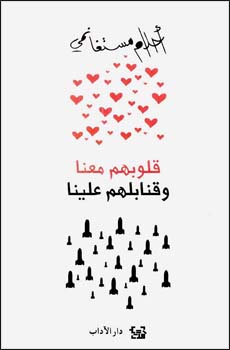
قلوبهم معنا وقنابلهم علينا PDF - Ahlam Mosteghanemi
Ahlam Mosteghanemi • literature • 264 Pages
(0)
Author
Ahlam MosteghanemiCategory
literatureSection
Number Of Downloads
39
Number Of Reads
168
File Size
2.61 MB
Views
1,119
Quate
Review
Save
Share
Book Description
كتاب «قلوبهم معنا وقنابلهم علينا» للكاتبة الجزائرية أحلام مستغانمي ليس رواية بالمعنى التقليدي، بل هو كتاب مقالات أدبية وسياسية تجمع فيه الكاتبة نصوصًا كتبتها عن العراق والعالم العربي، بروح ساخرة وموجعة في الوقت نفسه. صدرت الطبعة المعروفة من الكتاب عن دار نوفل/هاشيت أنطوان عام 2014، وتذكر بيانات الناشر أن «نوفل» أعادت نشر مجموعة المقالات التي كتبتها مستغانمي منذ احتلال العراق وعلى مدى عشر سنوات. لذلك ينتمي الكتاب إلى أدب المقالة والرأي أكثر مما ينتمي إلى السرد الروائي، لكنه يحتفظ ببصمة أحلام مستغانمي اللغوية: الجملة المكثفة، الصورة الشعرية، المفارقة الحادة، والقدرة على تحويل الحدث السياسي إلى جرح شخصي وإنساني.
في «قلوبهم معنا وقنابلهم علينا»، تنطلق أحلام مستغانمي من مأساة العراق بعد الاحتلال لتكتب عن الخذلان العربي، وعن ازدواجية المواقف الدولية، وعن ذلك النوع من التعاطف البارد الذي يكتفي بإعلان الحزن بينما تستمر آلة الحرب في إنتاج الخراب. عنوان الكتاب نفسه يلخص فكرته المركزية: هناك من يعلن أن قلبه مع الضحايا، لكن قنابله أو مصالحه أو صمته يقف ضدهم. ومن هنا تبدو المقالات كأنها محاكمة رمزية لعصر كامل، لا لحدث واحد فقط. فالكاتبة لا تكتب تقريرًا سياسيًا، بل تكتب وجعًا عربيًا ممتدًا من العراق إلى فلسطين وسوريا، وتتعامل مع الحرب بوصفها كارثة تمس الذاكرة واللغة والكرامة، لا بوصفها خبرًا عابرًا في نشرة المساء.
محتوى الكتاب يقوم على مقالات متفرقة لكنها مترابطة وجدانيًا. لا توجد حبكة روائية بشخصيات تتطور وأحداث تتصاعد نحو نهاية، بل هناك مسار شعوري وفكري يتشكل عبر النصوص. تبدأ القارئة أو القارئ من لحظة الصدمة أمام مشاهد الدمار، ثم ينتقل مع الكاتبة إلى التأمل في معنى العروبة، والهزيمة، والإعلام، والنفاق السياسي، والخطاب الغربي حين يتحدث عن الحرية بينما يبرر القصف والاحتلال. تستخدم مستغانمي السخرية لتخفيف قسوة المشهد لا لإلغائها؛ فهي تسخر من اللغة الدبلوماسية، ومن بيانات الشجب، ومن العجز الجماعي، لكنها في العمق تكتب بنبرة حزينة تعرف أن السخرية أحيانًا هي آخر وسائل الدفاع عن الروح.
يلخص الكتاب أيضًا علاقة أحلام مستغانمي بالقضايا العربية الكبرى، فهي لا تنظر إلى العراق بوصفه بلدًا بعيدًا، بل بوصفه جزءًا من الجسد العربي. لذلك تتكرر في المقالات أسئلة عن معنى الانتماء، وعن دور المثقف، وعن قدرة الكتابة على مواجهة الدبابات والقنابل. لا تدّعي الكاتبة أن الكلمة توقف الحرب، لكنها تمنحها وظيفة أخلاقية: أن تحفظ الذاكرة، وأن تمنع الجريمة من أن تتحول إلى رقم، وأن تقاوم تطبيع القبح. في هذا السياق، يصبح الكتاب شهادة أدبية على مرحلة شديدة الاضطراب من التاريخ العربي الحديث، لا مجرد مجموعة خواطر سياسية.
أسلوب «قلوبهم معنا وقنابلهم علينا» قريب من أسلوب مستغانمي المعروف في أعمالها السردية، لكنه أكثر مباشرة بسبب طبيعة المقالة. لغتها مشحونة بالإيقاع والمرارة، وتجمع بين النبرة الشعرية والتعليق الصحفي، وبين الغضب والتهكم. وهي لا تقدم سردًا محايدًا، بل موقفًا واضحًا منحازًا إلى الضحايا وإلى المدن التي دمرتها الحروب. ولهذا يصلح الكتاب للقراء المهتمين بأدب أحلام مستغانمي، وبالكتابة العربية التي تمزج السياسة بالأدب، وبالنصوص التي توثق وجدان مرحلة ما بعد احتلال العراق.
باختصار، يقدم كتاب «قلوبهم معنا وقنابلهم علينا» خلاصة مقالات كتبتها أحلام مستغانمي عن العراق والوجع العربي، وفيه تتحول الحرب إلى مرآة تكشف هشاشة الشعارات، وقسوة المصالح، وعجز العالم عن حماية الأبرياء. أهم ما يميز الكتاب أنه لا يكتفي بوصف المأساة، بل يحاول أن يمنحها لغة تحفظ كرامة الضحايا، وتفضح التناقض بين التعاطف المعلن والعنف الفعلي. إنه كتاب عن العراق، لكنه أيضًا كتاب عن الخذلان، والذاكرة، وقوة الكلمة حين تواجه زمنًا تبدو فيه القنابل أعلى صوتًا من القلوب.
Ahlam Mosteghanemi
Ahlam Mosteghanemi is an Algerian novelist, poet, and literary figure whose work occupies a distinguished place in modern Arabic literature, especially for readers interested in Arabic fiction, women’s writing, memory, exile, love, and the history of postcolonial Algeria. Born in Tunis during a period marked by the Algerian struggle for independence, she grew up within a family and national atmosphere shaped by displacement, political commitment, and the dream of return. This background became a powerful emotional and intellectual foundation for her writing, giving her novels a rare ability to connect private passion with collective history. She is widely known for writing in Arabic with an intense poetic style, and her name is strongly associated with the renewal of the Arabic novel through language that is lyrical, symbolic, and emotionally charged. Her breakthrough novel, Memory in the Flesh, established her as one of the most important Arabic-language novelists of her generation. The novel turns the body into a metaphor for the wounded homeland and transforms a love story into a meditation on revolution, loss, memory, and betrayal. Through this work and the novels that followed, including Chaos of the Senses, Bed Hopper, and Black Suits You So Well, Mosteghanemi developed a literary universe where love is never merely personal; it is tied to nation, language, history, dignity, and the burdens of memory. Her fiction is often read for its romantic intensity, yet its deeper strength lies in the way it examines the contradictions of the Arab world: the tension between idealism and disappointment, belonging and exile, desire and restraint, liberation and disillusionment. Ahlam Mosteghanemi’s prose is instantly recognizable because it gives each sentence a musical and aphoristic quality, often making her writing memorable beyond the boundaries of the novel itself. She has reached a broad readership while maintaining a serious literary identity, a combination that has made her one of the most widely read Arab authors and a frequent point of reference in discussions of contemporary Arabic literature. Her importance also lies in the way she placed the female voice at the center of historical narration. In her work, women are not passive figures placed inside national history; they are active witnesses, thinkers, lovers, and narrators who question inherited ideas about identity, loyalty, and freedom. This makes her writing particularly significant for readers exploring Arab women’s literature and feminist perspectives in Arabic fiction. At the same time, Mosteghanemi’s novels resist simple classification. They are political without being conventional political novels, romantic without being limited to romance, and poetic without abandoning narrative structure. Her use of Algeria as both a real country and a symbolic landscape gives her books a layered quality: the city, the body, the memory, and the beloved often mirror one another. This ability to merge personal emotion with national trauma explains the lasting influence of her work. She has also written essays and reflective texts that extend her interest in love, forgetting, language, and emotional survival, including works connected to the theme of forgetting and the art of detachment. For book websites, author pages, and literary catalogs, Ahlam Mosteghanemi can be described as a writer who transformed the Arabic novel into a space where history speaks through passion and where memory becomes both a wound and a form of resistance. Her legacy is not only in the popularity of her books, but also in the distinctive voice she created: elegant, intense, wounded, proud, and deeply attached to the Arabic language as a home for identity and beauty.
Earn Rewards While Reading!
Every 10 pages you read and spent 30 seconds on every page, earns you 5 reward points! Keep reading to unlock achievements and exclusive benefits.
Read
Rate Now
5 Stars
4 Stars
3 Stars
2 Stars
1 Stars
قلوبهم معنا وقنابلهم علينا Quotes
Top Rated
Latest
Quate
Be the first to leave a quote and earn 10 points
instead of 3
'%20/%3e%3c/svg%3e "أكاذيب سمكة")
Comments
Be the first to leave a comment and earn 5 points
instead of 3