

The source of the book
This book is published for the public benefit under a Creative Commons license, or with the permission of the author or publisher. If you have any objections to its publication, please contact us.
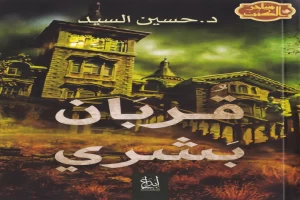
قربان بشري PDF - Hussein Elsayed
Hussein Elsayed • Horror novels • 215 Pages
(0)
Author
Hussein ElsayedCategory
literatureSection
Number Of Downloads
68
Number Of Reads
83
File Size
11.37 MB
Views
1,329
Quate
Review
Save
Share
Book Description
يُعد كتاب «قربان بشري» للكاتب حسين السيد عملًا عربيًا ينتمي إلى أدب الرعب والقصص القصيرة، وقد صدر ورقيًا عن مؤسسة إبداع للترجمة والنشر والتوزيع، مع تاريخ نشر موثق في 26 نوفمبر 2018، وجاء في نحو 228 صفحة، بينما تذكر نسخة Google Play أنه صدر إلكترونيًا في يناير 2018 عن إبداع للترجمة والنشر والتوزيع في 229 صفحة. وعلى الرغم من أن بعض المواقع تصفه أحيانًا بلفظ «رواية»، فإن البيانات المتاحة عنه توضّح أنه أقرب إلى مجموعة قصصية في الرعب، بل يرد وصفه بأنه «مجموعة قصصية تنتمي لأدب الرعب»، كما تدرجه متاجر الكتب ضمن تصنيف «أدب عربي – روايات رعب».
في «قربان بشري»، يقدم حسين السيد مجموعة من الحكايات التي تقوم على الخوف النفسي، والغرابة، والتوتر، والاقتراب من المناطق المعتمة في النفس البشرية. لا يعتمد الكتاب على خط روائي واحد أو بطل ثابت، بل يتكون من قصص منفصلة، لكل واحدة عالمها الخاص وسؤالها المرعب. ومن بين العناوين المذكورة ضمن محتوى الكتاب: «دفنوه حيًا»، «في رأسي مدفن»، «بقايا رجل ميت»، «المراقب الأخير»، «جزيرة المزاد»، «شبح الموت»، «رعايا ماريا»، «منزل الأحجية»، «مذكرة قرين»، «معركة بين القبور»، «ما وراء الظل»، و«ألعاب مقدسة». (هذه العناوين وحدها تكشف عن طبيعة الأجواء التي يتحرك فيها الكتاب: موت، قبور، قرابين، ظلال، مراقبة، وأسرار لا تُفهم من النظرة الأولى.
تدور فكرة «قربان بشري» حول تحويل الرعب من حدث خارق مباشر إلى تجربة مربكة يعيشها الإنسان حين يشعر أن الواقع الذي يعرفه لم يعد مستقرًا. في بعض القصص يظهر الموت كهاجس يطارد الشخصيات، لا باعتباره نهاية فقط، بل كقوة حاضرة في الذاكرة، وفي البيت، وفي الجسد، وفي الأماكن المهجورة. وفي قصص أخرى يضع الكاتب شخصياته أمام مواقف تبدو عادية في بدايتها، ثم تتدرج نحو الغموض، حتى يصبح القارئ غير متأكد مما إذا كان ما يحدث حقيقيًا، أم وهمًا، أم نتيجة ذنب قديم أو لعنة خفية.
ملخص كتاب «قربان بشري» لا يمكن اختزاله في حبكة واحدة؛ لأنه يقوم على تعدد الحكايات القصيرة. غير أن الرابط العام بينها هو فكرة الإنسان حين يتحول إلى ضحية لقوة أكبر منه، سواء كانت قوة غيبية، أو خوفًا داخليًا، أو سرًا مدفونًا، أو رغبة بشرية قاسية. في «دفنوه حيًا» يوحي العنوان بموقف شديد القسوة يقوم على الرعب من الاختناق والعزلة وفقدان القدرة على النجاة. أما «في رأسي مدفن» فيحيل إلى رعب نفسي داخلي، حيث يصبح العقل نفسه مكانًا لتراكم الموتى والذكريات الثقيلة. وفي «بقايا رجل ميت» يبدو أن الكاتب يقترب من أثر الموت بعد وقوعه، لا من لحظة الموت وحدها، وكأن الرعب الحقيقي يبدأ عندما يترك الراحل شيئًا لا يهدأ.
تفتح عناوين مثل «المراقب الأخير» و«منزل الأحجية» مساحة لرعب قائم على المراقبة والألغاز، حيث لا تأتي المخاوف من الوحوش بالضرورة، بل من الشعور بأن هناك من يعرف أكثر مما ينبغي، أو أن المكان نفسه يخفي نظامًا غامضًا لا يستطيع الإنسان فهمه. أما «جزيرة المزاد» و«ألعاب مقدسة» فتلمحان إلى عوالم أكثر غرابة، قد يمتزج فيها الرعب بالفكرة الرمزية عن الاستغلال، والتضحية، وتحويل البشر إلى أدوات داخل لعبة لا يملكون قواعدها.
ما يميز «قربان بشري» لحسين السيد أنه لا يقدم الرعب بوصفه صدمة عابرة فقط، بل يستخدم القصة القصيرة لبناء لحظة مكثفة تنتهي غالبًا بإحساس بالقلق أو المفارقة أو الانكشاف. القارئ لا ينتقل هنا مع بطل واحد في رحلة طويلة، بل يدخل أبوابًا متعددة، في كل باب احتمال جديد للخوف. لذلك يناسب الكتاب قراء أدب الرعب العربي الذين يفضلون القصص السريعة ذات النهايات المشحونة، والذين يبحثون عن عمل يجمع بين الغموض، والأجواء الكابوسية، والخيال السوداوي، دون الحاجة إلى متابعة حبكة روائية ممتدة.
بهذا المعنى، فإن «قربان بشري» ليس مجرد عنوان مثير، بل مفتاح لفهم طبيعة الكتاب كله: شخصيات تُساق إلى مصائر غامضة، وأماكن تتحول إلى أفخاخ، وذكريات لا تموت، وخوف يتخذ أكثر من شكل. إنه كتاب رعب عربي قصير النفس في بنائه، لكنه يعتمد على تنوع الحكايات لإبقاء القارئ داخل دائرة من الترقب، حيث تتحول كل قصة إلى قربان مختلف لمعنى الخوف.
Hussein Elsayed
Hussein El Sayed is remembered as one of Egypt’s most influential lyricists and one of the defining literary voices behind the golden age of modern Arabic song. Born in 1916 and active during a period when Egyptian music, cinema, radio, and popular culture were expanding across the Arab world, he helped give the sung word a new artistic status. His career shows how a lyricist can become an author in the broad cultural sense: not only someone who writes verses, but someone who shapes emotion, public memory, and the language through which generations understand love, longing, joy, loss, and national feeling. Hussein El Sayed’s writing was closely connected to performance, yet it also carried the qualities of strong literary craft. He understood that a song lyric must sound natural when spoken, graceful when sung, and memorable when repeated by ordinary listeners. For this reason, his language often appears simple at first glance, but that simplicity is the result of careful control. He used clear emotional situations, rhythmic phrasing, vivid but accessible images, and a dramatic sense of progression that allowed a song to grow from a private feeling into a shared experience. His words were not distant from everyday life; they came from the speech, humor, tenderness, and emotional directness of Egyptian culture, while still preserving elegance and poetic value. Hussein El Sayed became especially associated with major figures of twentieth-century Arabic music, including Mohamed Abdel Wahab, Abdel Halim Hafez, Farid Al Atrash, Fayza Ahmed, Nagat Al Saghira, and other leading artists whose voices carried his lyrics to millions. His collaboration with Mohamed Abdel Wahab was particularly important, because it placed his name at the center of a sophisticated musical environment where melody, cinema, and poetry worked together. He also wrote for musical films and screen performances, which required a special talent: the lyric had to serve the story, reveal character, and fit the mood of the scene, while still standing on its own as a memorable song. This connection with cinema helped make his work part of popular life, not only part of literary or musical circles. One of the strongest features of Hussein El Sayed’s style is his ability to balance intimacy with universality. He could write a line that sounded like a personal confession, yet listeners from different backgrounds could recognize themselves in it. His themes included romantic devotion, playful affection, separation, nostalgia, reconciliation, social cheerfulness, and patriotic pride. He wrote in a form of Egyptian Arabic that was musical, polished, and emotionally direct, proving that colloquial language could carry high artistic expression when handled by a gifted writer. His lyrics also reveal a keen awareness of structure. He knew when to repeat, when to surprise, when to soften an emotion, and when to intensify it. That skill made his songs highly suitable for composers and singers, and it explains why many of them remained alive in collective memory. Although Hussein El Sayed was not primarily known as a novelist or a traditional book author, his contribution to Arabic letters is substantial because lyric writing is a major branch of modern literary expression. He gave the Arabic song a narrative voice, a theatrical presence, and a poetic texture that influenced later generations of songwriters. His death in 1983 marked the end of a remarkable career, but his artistic legacy continues through recordings, films, radio archives, and the lasting admiration of listeners. For readers interested in Arabic music, Egyptian cultural history, or the literary art of songwriting, Hussein El Sayed remains an essential figure whose work demonstrates the power of clear language, sincere feeling, and disciplined imagination.
Earn Rewards While Reading!
Every 10 pages you read and spent 30 seconds on every page, earns you 5 reward points! Keep reading to unlock achievements and exclusive benefits.
Read
Rate Now
5 Stars
4 Stars
3 Stars
2 Stars
1 Stars
قربان بشري Quotes
Top Rated
Latest
Quate
Be the first to leave a quote and earn 10 points
instead of 3
'%20/%3e%3c/svg%3e "حكايات شتوية")
Comments
Be the first to leave a comment and earn 5 points
instead of 3