

The source of the book
This book is published for the public benefit under a Creative Commons license, or with the permission of the author or publisher. If you have any objections to its publication, please contact us.
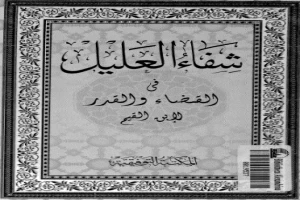
شفاء العليل في مسائل القضاء والقدر والحكمة والتعليل PDF - Ibn Qayyim Al-Jawzia
Ibn Qayyim Al-Jawzia • Islam • 590 Pages
(0)
Author
Ibn Qayyim Al-JawziaCategory
ReligionsSection
Number Of Downloads
53
Number Of Reads
52
File Size
19.02 MB
Views
865
Quate
Review
Save
Share
Book Description
يُعدّ كتاب «شفاء العليل في مسائل القضاء والقدر والحكمة والتعليل» من كتب العقيدة والكلام الإسلامي، وليس رواية ذات أحداث وشخصيات، لذلك فالأدق أن يُقدَّم ملخصًا لمحتواه وأفكاره لا ملخصًا لحبكة روائية. ألّفه شمس الدين ابن قيم الجوزية، واسمه الكامل محمد بن أبي بكر بن أيوب بن سعد شمس الدين ابن قيم الجوزية، المتوفى سنة 751هـ. ومن بيانات النشر المتداولة لطبعة دار المعرفة: الناشر دار المعرفة، بيروت، لبنان، والطبعة 1398هـ/1978م، في مجلد واحد، مع ترقيم موافق للمطبوع. وتوجد طبعات أخرى لاحقة، منها طبعة دار الجيل ببيروت سنة 1417هـ/1997م بتحقيق وتعليق عصام فارس الحرستاني، وطبعة دار عطاءات العلم ودار ابن حزم سنة 1441هـ/2019م بتحقيق زاهر بن سالم بلفقيه، ولذلك ينبغي عند الفهرسة أو الاقتباس تحديد الطبعة المقصودة.
يدور كتاب «شفاء العليل في مسائل القضاء والقدر والحكمة والتعليل» حول قضية من أعقد قضايا الاعتقاد، وهي علاقة علم الله السابق ومشيئته وخلقه وحكمته بأفعال العباد ومسؤوليتهم. يحاول ابن قيم الجوزية في هذا الكتاب أن يبيّن مذهبه في الإيمان بالقضاء والقدر، وأن يرد على الإشكالات التي نشأت حول الجبر، والاختيار، والكسب، والهدى والضلال، والخير والشر، والحكمة من أفعال الله. ويتضح من فهرس الكتاب أنه بُني على أبواب متتابعة تبدأ بتقدير المقادير قبل خلق السماوات والأرض، ثم تقدير الشقاوة والسعادة والأرزاق والآجال والأعمال، ثم مراتب القضاء والقدر، ثم مسائل المشيئة والكتابة وخلق أفعال العباد.
يفتتح المؤلف معالجة الموضوع بتقرير أن الإيمان بالقدر لا يعني تعطيل العمل ولا ترك السعي، بل يربط بين سبق المقادير وبين الأمر بالاجتهاد والحرص. ومن هنا يناقش فكرة أن علم الله السابق لا يسلب الإنسان مسؤوليته، وأن وقوع الأشياء بعلم الله ومشيئته لا يلغي التكليف ولا الثواب والعقاب. ويعرض ابن القيم مراتب القدر كما يقررها: العلم، والكتابة، والمشيئة، والخلق، ثم يستدل لها بالنصوص الشرعية والمعاني العقلية، محاولًا أن يجعل هذه المراتب أساسًا لفهم الخلافات التي وقعت بين الفرق الإسلامية في باب القدر.
ثم ينتقل الكتاب إلى مسائل الهدى والضلال، والطبع والختم، والحائل بين العبد والإيمان، وخلق أفعال العباد. وفي هذه الأبواب يحاول المؤلف الجمع بين إثبات عموم قدرة الله ومشيئته وبين إثبات فعل العبد واختياره. كما يتناول مصطلحات دقيقة مثل الجبر والكسب والفعل والانفعال، ويحرص على بيان ما يراه صحيحًا في إطلاقها أو منعها. وتظهر في بعض أبواب الكتاب صيغة المناظرة؛ إذ يورد مناظرات بين من يمثل اتجاهًا جبريًا أو قدريًا وبين من يمثل رأي أهل السنة، ليعرض الاعتراض والجواب بطريقة جدلية تعليمية.
ومن أبرز محاور «شفاء العليل» حديث ابن القيم عن الحكمة والتعليل؛ أي هل لأفعال الله حكم وغايات، وكيف تُفهم هذه الحكم دون قياس الخالق على المخلوق. لذلك يخصّص أبوابًا للرد على من ينفي الحكمة والتعليل، ويناقش تنزيه القضاء الإلهي عن الشر، ومسألة نسبة الشر إلى المخلوقات من جهة، وإلى تقدير الله من جهة أخرى، مع تفريقه بين الإرادة الكونية والإرادة الدينية، وبين الحكم الكوني المتعلق بالخلق والحكم الديني المتعلق بالأمر والنهي.
خلاصة الكتاب أنه محاولة موسعة لتقرير عقيدة ابن قيم الجوزية في القضاء والقدر، تجمع بين النقل، والتحليل اللغوي، والاستدلال العقلي، والرد على المخالفين. أهميته للقارئ المعاصر أنه يقدّم تصورًا تراثيًا مفصلًا لقضايا ما زالت حاضرة في الأسئلة الدينية والفلسفية: لماذا يقع الشر؟ ما معنى حرية الإنسان؟ كيف يجتمع علم الله السابق مع المسؤولية؟ وما موقع الحكمة في الخلق والأمر؟ لذلك يبقى «شفاء العليل في مسائل القضاء والقدر والحكمة والتعليل» مرجعًا مهمًا لمن يدرس فكر ابن القيم وموضوع القدر في التراث الإسلامي، مع ضرورة قراءته قراءة متأنية تراعي طبيعته العقدية الجدلية وسياقه العلمي القديم.
Ibn Qayyim Al-Jawzia
Ibn Qayyim Al-Jawzia is one of the most influential Muslim scholars, authors, and spiritual thinkers of the fourteenth century, remembered for his exceptional contribution to Islamic jurisprudence, theology, Quranic reflection, prophetic biography, ethics, and the purification of the heart. Born in Damascus in 1292, he grew up in a city known for its libraries, teaching circles, legal schools, and vibrant scholarly life. His full name was Muhammad ibn Abi Bakr ibn Ayyub, but he became widely known as Ibn Qayyim Al-Jawzia because his father served as the caretaker and administrator of the Jawziyyah school. This connection gave him the title by which readers across many generations continue to recognize him. His intellectual formation took place in an environment shaped by memorization, debate, close study of religious texts, and deep reverence for learned teachers. Among those teachers, the most famous was Ibn Taymiyyah, whose influence on him was profound. Ibn Qayyim Al-Jawzia studied with him for many years, absorbed his concern for the Quran and the Sunnah, and shared his criticism of rigid imitation when it separated people from sound evidence and living moral purpose. Yet Ibn Qayyim Al-Jawzia was not merely a follower of another scholar. He developed a distinctive voice marked by emotional depth, precise argument, literary elegance, and a rare ability to connect law, worship, psychology, and spiritual transformation. His writings show a mind interested not only in legal rulings but also in the inner life of the believer: sincerity, repentance, patience, gratitude, love, fear, hope, trust, and the struggle against destructive habits. Among his best-known works is زاد المعاد في هدي خير العباد, a rich study of the guidance of the Prophet Muhammad that combines biography, law, medicine, worship, manners, and practical conduct. Another major work is مدارج السالكين, a profound exploration of the stations of spiritual wayfaring, where he explains how the seeker moves through repentance, awareness, devotion, reliance, contentment, and love. His book إعلام الموقعين عن رب العالمين remains especially important for readers of Islamic legal theory because it discusses the responsibility of scholars who issue religious judgments, the seriousness of speaking in the name of sacred law, and the need to understand both textual evidence and real human circumstances. In الداء والدواء, he writes with unusual insight about sin, desire, moral weakness, and healing through knowledge, devotion, remembrance, and discipline. In روضة المحبين ونزهة المشتاقين, he explores love with literary beauty and psychological subtlety, making the work valuable not only as religious literature but also as a study of human longing and attachment. Other important works, such as مفتاح دار السعادة, الفوائد, الوابل الصيب, تحفة المودود بأحكام المولود, and شفاء العليل, further reveal the breadth of his scholarship. His style often moves from textual proof to reflection, from argument to exhortation, and from structured classification to poetic description. This flexibility gives his books lasting appeal because they serve students of knowledge, preachers, researchers, and general readers seeking meaningful guidance. Ibn Qayyim Al-Jawzia wrote with a clear belief that knowledge should reform the heart and action, not remain confined to memorized information. His legacy is therefore both scholarly and devotional. He contributed to the Hanbali legal tradition, engaged central theological questions, preserved and interpreted prophetic guidance, and created a literature of the heart that continues to inspire readers in many languages. He died in Damascus in 1350, leaving behind a body of work that remains central to Islamic studies and to contemporary interest in Muslim spirituality, ethical self-development, and classical religious thought. For a book website or author biography section, Ibn Qayyim Al-Jawzia represents a major classical author whose writings combine intellectual discipline, spiritual intensity, moral seriousness, and literary power.
Earn Rewards While Reading!
Every 10 pages you read and spent 30 seconds on every page, earns you 5 reward points! Keep reading to unlock achievements and exclusive benefits.
Read
Rate Now
5 Stars
4 Stars
3 Stars
2 Stars
1 Stars
شفاء العليل في مسائل القضاء والقدر والحكمة والتعليل Quotes
Top Rated
Latest
Quate
Be the first to leave a quote and earn 10 points
instead of 3
'%20/%3e%3c/svg%3e "اجتماع الجيوش الإسلامية على حرب المعطلة والجهمية")
Comments
Be the first to leave a comment and earn 5 points
instead of 3