

The source of the book
This book is published for the public benefit under a Creative Commons license, or with the permission of the author or publisher. If you have any objections to its publication, please contact us.
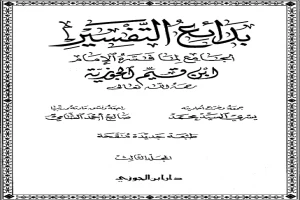
بدائع التفسير الجامع لما فسره الإمام ابن قيم الجوزية المجلد الثالث PDF - Ibn Qayyim Al-Jawzia
Ibn Qayyim Al-Jawzia • Islam • 486 Pages
(0)
Author
Ibn Qayyim Al-JawziaCategory
ReligionsSection
Number Of Downloads
68
Number Of Reads
53
File Size
9.53 MB
Views
1,042
Quate
Review
Save
Share
Book Description
يُعد كتاب «بدائع التفسير - المجلد الثالث» من الكتب المهمة في علوم التفسير، وهو منسوب إلى شمس الدين ابن قيم الجوزية، واسمه محمد بن أبي بكر بن أيوب الزرعي الدمشقي، أحد أعلام القرن الثامن الهجري، المتوفى سنة 751هـ. والكتاب ليس تفسيرًا ألّفه ابن القيم على هيئة مصحف كامل مرتب من أوله إلى آخره، بل هو عمل جامع يجمع ما تفرّق من كلامه في تفسير آيات القرآن الكريم ضمن كتبه ورسائله، وقد اعتنى بجمعه وتحقيقه يسري السيد وصالح الشامي. وتذكر بيانات النسخة المفهرسة أن الناشر هو دار ابن الجوزي في الرياض، وأن تاريخ النشر 1427هـ، مع صدور طبعات أو بيانات تجارية لاحقة للكتاب.
يركز «بدائع التفسير - المجلد الثالث» على القسم الأخير من القرآن، إذ تشير بيانات النسخة إلى أنه يغطي من سورة الحجرات إلى سورة الناس. وتبلغ صفحات هذا المجلد في بعض النسخ الرقمية المتداولة نحو 486 صفحة، وهو جزء من عمل كامل في ثلاثة مجلدات يضم ما نُقل عن ابن قيم الجوزية في التفسير والبيان القرآني.
محتوى الكتاب يقوم على إبراز طريقة ابن القيم في فهم الآيات وربطها بالعقيدة والتربية والسلوك واللغة. فهو لا يكتفي بالشرح اللفظي المباشر، بل ينتقل من الآية إلى معاني الإيمان، ومقاصد الشرع، وأثر القرآن في إصلاح القلب والعمل. لذلك يجد القارئ في هذا المجلد مادة تفسيرية تجمع بين التحليل اللغوي، والاستنباط الإيماني، وبيان العلاقة بين الألفاظ القرآنية والمعاني الكبرى مثل التوحيد، التقوى، الصبر، الإخلاص، الخشية، واليقين.
وتظهر أهمية المجلد الثالث خاصة لأنه يتناول سورًا قصيرة ومتوسطة كثيرة التداول في القراءة والحفظ والصلاة، مثل سور جزء عمّ وسور أواخر المصحف. هذه السور تحمل موضوعات مركزة عن البعث، الحساب، الجنة والنار، حقيقة الإنسان، دلائل القدرة الإلهية، ومصير المكذبين والمؤمنين. ومن خلال جمع كلام ابن القيم عليها، يمنح الكتاب القارئ فرصة لفهم أعمق للآيات التي قد تبدو مألوفة بسبب كثرة تلاوتها، لكنه يكشف عن طبقات من المعنى الوعظي واللغوي والتربوي.
ويتميز «بدائع التفسير» بأن مادته لا تُعرض كشرح مدرسي مختصر فقط، بل تحمل روح ابن القيم المعروفة في كتبه؛ إذ يميل إلى تحليل أحوال النفس، وبيان أمراض القلب، وربط الهداية القرآنية بالعمل والسلوك. فعند تناوله لمعاني الإيمان أو النفاق أو الغفلة، لا يعالجها بوصفها مفاهيم نظرية فحسب، بل يربطها بأثرها في حياة الإنسان وعلاقته بالله. وهذا يجعل الكتاب مناسبًا لمن يريد قراءة تفسيرية تجمع بين العلم والوعظ دون انفصال بين المعنى القرآني والتزكية.
ومن الناحية العلمية، يفيد المجلد الثالث الباحثين والقراء المهتمين بابن قيم الجوزية لأنه يقرّب نصوصه التفسيرية المتناثرة في موضع واحد، بدل الرجوع إلى مؤلفات متعددة للعثور على تفسير آية بعينها. كما يفيد طلاب العلم في تتبع منهجه في الاستدلال، وطريقته في توظيف اللغة العربية، والحديث، وأقوال السلف، ومقاصد الشريعة في فهم القرآن. ومع ذلك، ينبغي التعامل مع الكتاب بوصفه جمعًا لكلام ابن القيم لا تأليفًا مستقلًا رتبه المؤلف بنفسه، وهي نقطة مهمة لفهم طبيعة العمل وعدم نسب ترتيب مادته كله إلى ابن القيم مباشرة.
بصورة عامة، يقدم «بدائع التفسير - المجلد الثالث» خلاصة نافعة من تفسير شمس الدين ابن قيم الجوزية لأواخر القرآن الكريم، في طبعة نشرتها دار ابن الجوزي واعتنى بها محققان جمعا المادة ونسقاها. وهو كتاب مناسب لمن يبحث عن تفسير عربي يجمع بين عمق المعنى، وصفاء العبارة، والاهتمام بتزكية القلب، مع تركيز واضح على الهداية العملية المستخرجة من آيات القرآن.
Ibn Qayyim Al-Jawzia
Ibn Qayyim Al-Jawzia is one of the most influential Muslim scholars, authors, and spiritual thinkers of the fourteenth century, remembered for his exceptional contribution to Islamic jurisprudence, theology, Quranic reflection, prophetic biography, ethics, and the purification of the heart. Born in Damascus in 1292, he grew up in a city known for its libraries, teaching circles, legal schools, and vibrant scholarly life. His full name was Muhammad ibn Abi Bakr ibn Ayyub, but he became widely known as Ibn Qayyim Al-Jawzia because his father served as the caretaker and administrator of the Jawziyyah school. This connection gave him the title by which readers across many generations continue to recognize him. His intellectual formation took place in an environment shaped by memorization, debate, close study of religious texts, and deep reverence for learned teachers. Among those teachers, the most famous was Ibn Taymiyyah, whose influence on him was profound. Ibn Qayyim Al-Jawzia studied with him for many years, absorbed his concern for the Quran and the Sunnah, and shared his criticism of rigid imitation when it separated people from sound evidence and living moral purpose. Yet Ibn Qayyim Al-Jawzia was not merely a follower of another scholar. He developed a distinctive voice marked by emotional depth, precise argument, literary elegance, and a rare ability to connect law, worship, psychology, and spiritual transformation. His writings show a mind interested not only in legal rulings but also in the inner life of the believer: sincerity, repentance, patience, gratitude, love, fear, hope, trust, and the struggle against destructive habits. Among his best-known works is زاد المعاد في هدي خير العباد, a rich study of the guidance of the Prophet Muhammad that combines biography, law, medicine, worship, manners, and practical conduct. Another major work is مدارج السالكين, a profound exploration of the stations of spiritual wayfaring, where he explains how the seeker moves through repentance, awareness, devotion, reliance, contentment, and love. His book إعلام الموقعين عن رب العالمين remains especially important for readers of Islamic legal theory because it discusses the responsibility of scholars who issue religious judgments, the seriousness of speaking in the name of sacred law, and the need to understand both textual evidence and real human circumstances. In الداء والدواء, he writes with unusual insight about sin, desire, moral weakness, and healing through knowledge, devotion, remembrance, and discipline. In روضة المحبين ونزهة المشتاقين, he explores love with literary beauty and psychological subtlety, making the work valuable not only as religious literature but also as a study of human longing and attachment. Other important works, such as مفتاح دار السعادة, الفوائد, الوابل الصيب, تحفة المودود بأحكام المولود, and شفاء العليل, further reveal the breadth of his scholarship. His style often moves from textual proof to reflection, from argument to exhortation, and from structured classification to poetic description. This flexibility gives his books lasting appeal because they serve students of knowledge, preachers, researchers, and general readers seeking meaningful guidance. Ibn Qayyim Al-Jawzia wrote with a clear belief that knowledge should reform the heart and action, not remain confined to memorized information. His legacy is therefore both scholarly and devotional. He contributed to the Hanbali legal tradition, engaged central theological questions, preserved and interpreted prophetic guidance, and created a literature of the heart that continues to inspire readers in many languages. He died in Damascus in 1350, leaving behind a body of work that remains central to Islamic studies and to contemporary interest in Muslim spirituality, ethical self-development, and classical religious thought. For a book website or author biography section, Ibn Qayyim Al-Jawzia represents a major classical author whose writings combine intellectual discipline, spiritual intensity, moral seriousness, and literary power.
Earn Rewards While Reading!
Every 10 pages you read and spent 30 seconds on every page, earns you 5 reward points! Keep reading to unlock achievements and exclusive benefits.
Read
Rate Now
5 Stars
4 Stars
3 Stars
2 Stars
1 Stars
بدائع التفسير الجامع لما فسره الإمام ابن قيم الجوزية المجلد الثالث Quotes
Top Rated
Latest
Quate
Be the first to leave a quote and earn 10 points
instead of 3
'%20/%3e%3c/svg%3e "اجتماع الجيوش الإسلامية على حرب المعطلة والجهمية")
Comments
Be the first to leave a comment and earn 5 points
instead of 3