

The source of the book
This book is published for the public benefit under a Creative Commons license, or with the permission of the author or publisher. If you have any objections to its publication, please contact us.
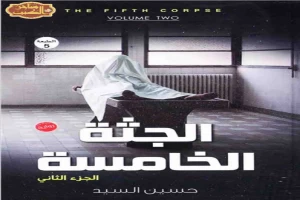
الجثة الخامسة 2 PDF - Hussein Elsayed
Hussein Elsayed • Horror novels • 319 Pages
(0)
Author
Hussein ElsayedCategory
literatureSection
Number Of Downloads
72
Number Of Reads
79
File Size
32.07 MB
Views
1,768
Quate
Review
Save
Share
Book Description
رواية «الجثة الخامسة 2» للكاتب حسين السيد هي الجزء الثاني من رواية الرعب والتشويق «الجثة الخامسة»، وصدرت عام 2020 عن ن للنشر والتوزيع، وتقع في 319 صفحة، بحسب بيانات مكتبات الشروق. تنتمي الرواية إلى أدب الرعب العربي، وتجمع بين الجريمة الغامضة، والتحقيق النفسي، وعناصر الخوارق، مع حضور واضح لشخصية الدكتور شاهين، الطبيب النفسي وخبير الخوارق. كما تتوافر الرواية في صيغة كتاب صوتي من نشر Storyside بصوت عبير قاموع، ومدتها نحو 13 ساعة و51 دقيقة
تدور رواية «الجثة الخامسة 2» حول سلسلة من حوادث القتل المرعبة والغامضة التي تفتح الباب أمام عودة خطر قديم لا يبدو أنه ينتمي إلى عالم البشر العادي. مع تصاعد الأحداث، يتدخل الدكتور شاهين، وهو طبيب نفسي له خبرة في الظواهر الخارقة، ليجد نفسه أمام عدو يعرفه أو يرتبط بماضيه بطريقة مباشرة: «رومية»، الكائن الشيطاني الذي يعود بدافع الانتقام الشخصي. لا تقدم الرواية جريمة تقليدية يبحث فيها البطل عن قاتل مادي فقط، بل تضع القارئ في منطقة رمادية بين التفسير النفسي والتفسير الماورائي، حيث تصبح الجثث والوقائع الغامضة دلائل على صراع أكبر من مجرد تحقيق بوليسي.
في بداية الحبكة، تبدو جرائم القتل كأنها أحداث منفصلة، لكن طبيعتها العنيفة وغموض تفاصيلها يدفعان الدكتور شاهين إلى التدخل. هنا يبدأ جو الرعب الحقيقي، لأن ما يواجهه ليس مجرد قاتل متسلسل، بل قوة شريرة تعود لتستهدفه هو شخصيًا. هذا الاختيار يجعل الصراع أكثر حدة، فالبطل لا يبحث فقط عن تفسير لما يحدث، بل يحاول النجاة من كائن يعرف نقاط ضعفه ويملك رغبة واضحة في تصفية حساب قديم معه. ومن خلال هذا المسار، تتحول الرواية من لغز جنائي إلى مواجهة نفسية وروحية بين إنسان يحاول الفهم والمقاومة، وكائن شيطاني يريد فرض نهايته الخاصة على الأحداث.
تمنح شخصية الدكتور شاهين الرواية طابعًا مختلفًا؛ فهو ليس محققًا تقليديًا، بل طبيب نفسي وخبير خوارق، ولذلك يتعامل مع الرعب من زاويتين: زاوية العقل والتحليل، وزاوية الإيمان بوجود ما لا يمكن تفسيره بسهولة. هذا التداخل بين الطب النفسي والخوارق يخلق توترًا مستمرًا، لأن القارئ يظل يتساءل: هل ما يحدث يمكن فهمه عبر الصدمات والهلاوس والخوف، أم أن «رومية» حقيقة شيطانية قائمة بذاتها؟ وبدلًا من تقديم إجابة مباشرة منذ البداية، تبني الرواية تشويقها على هذا الشك، وعلى شعور البطل بأنه محاصر بين معرفته العلمية وتجربته مع عالم مظلم يتجاوز العلم.
تستند الرواية أيضًا إلى عنصر الانتقام، وهو المحرك الأساسي لعودة «رومية». فالكائن الشيطاني لا يظهر بوصفه خطرًا عامًا فحسب، بل كعدو له هدف محدد، وهذا يمنح الأحداث طابع المطاردة الشخصية. يضطر الدكتور شاهين إلى خوض مغامرة قاسية للنجاة، وفي الوقت نفسه يبحث عن وسيلة لمواجهة هذا الكائن وإيقاف سلسلة الدم. وبذلك لا يكون البطل في موقف دفاعي دائم، بل ينتقل تدريجيًا إلى محاولة كشف طبيعة العدو، وفهم قواعد المواجهة، والبحث عن ثغرة يمكن أن تنقذه وتنقذ الآخرين.
ملخص رواية «الجثة الخامسة 2» يكشف أنها عمل مناسب لمحبي روايات الرعب العربية التي تمزج بين الغموض والجريمة والعالم الخفي. فهي لا تكتفي بمشاهد القتل أو الصدمة، بل تبني توترها حول أسئلة الخوف والذنب والانتقام، وتضع بطلها أمام تهديد يستهدف عقله وحياته معًا. ومن خلال عودة «رومية»، تواصل الرواية عالم «الجثة الخامسة» وتوسع صراعه، حيث يصبح الماضي حاضرًا بقوة، وتصبح النجاة مشروطة بالقدرة على مواجهة شر لا يريد أن يترك ضحيته تفلت بسهولة.
Hussein Elsayed
Hussein El Sayed is remembered as one of Egypt’s most influential lyricists and one of the defining literary voices behind the golden age of modern Arabic song. Born in 1916 and active during a period when Egyptian music, cinema, radio, and popular culture were expanding across the Arab world, he helped give the sung word a new artistic status. His career shows how a lyricist can become an author in the broad cultural sense: not only someone who writes verses, but someone who shapes emotion, public memory, and the language through which generations understand love, longing, joy, loss, and national feeling. Hussein El Sayed’s writing was closely connected to performance, yet it also carried the qualities of strong literary craft. He understood that a song lyric must sound natural when spoken, graceful when sung, and memorable when repeated by ordinary listeners. For this reason, his language often appears simple at first glance, but that simplicity is the result of careful control. He used clear emotional situations, rhythmic phrasing, vivid but accessible images, and a dramatic sense of progression that allowed a song to grow from a private feeling into a shared experience. His words were not distant from everyday life; they came from the speech, humor, tenderness, and emotional directness of Egyptian culture, while still preserving elegance and poetic value. Hussein El Sayed became especially associated with major figures of twentieth-century Arabic music, including Mohamed Abdel Wahab, Abdel Halim Hafez, Farid Al Atrash, Fayza Ahmed, Nagat Al Saghira, and other leading artists whose voices carried his lyrics to millions. His collaboration with Mohamed Abdel Wahab was particularly important, because it placed his name at the center of a sophisticated musical environment where melody, cinema, and poetry worked together. He also wrote for musical films and screen performances, which required a special talent: the lyric had to serve the story, reveal character, and fit the mood of the scene, while still standing on its own as a memorable song. This connection with cinema helped make his work part of popular life, not only part of literary or musical circles. One of the strongest features of Hussein El Sayed’s style is his ability to balance intimacy with universality. He could write a line that sounded like a personal confession, yet listeners from different backgrounds could recognize themselves in it. His themes included romantic devotion, playful affection, separation, nostalgia, reconciliation, social cheerfulness, and patriotic pride. He wrote in a form of Egyptian Arabic that was musical, polished, and emotionally direct, proving that colloquial language could carry high artistic expression when handled by a gifted writer. His lyrics also reveal a keen awareness of structure. He knew when to repeat, when to surprise, when to soften an emotion, and when to intensify it. That skill made his songs highly suitable for composers and singers, and it explains why many of them remained alive in collective memory. Although Hussein El Sayed was not primarily known as a novelist or a traditional book author, his contribution to Arabic letters is substantial because lyric writing is a major branch of modern literary expression. He gave the Arabic song a narrative voice, a theatrical presence, and a poetic texture that influenced later generations of songwriters. His death in 1983 marked the end of a remarkable career, but his artistic legacy continues through recordings, films, radio archives, and the lasting admiration of listeners. For readers interested in Arabic music, Egyptian cultural history, or the literary art of songwriting, Hussein El Sayed remains an essential figure whose work demonstrates the power of clear language, sincere feeling, and disciplined imagination.
Earn Rewards While Reading!
Every 10 pages you read and spent 30 seconds on every page, earns you 5 reward points! Keep reading to unlock achievements and exclusive benefits.
Read
Rate Now
5 Stars
4 Stars
3 Stars
2 Stars
1 Stars
الجثة الخامسة 2 Quotes
Top Rated
Latest
Quate
Be the first to leave a quote and earn 10 points
instead of 3
'%20/%3e%3c/svg%3e "قربان بشري")
Comments
Be the first to leave a comment and earn 5 points
instead of 3