

The source of the book
This book is published for the public benefit under a Creative Commons license, or with the permission of the author or publisher. If you have any objections to its publication, please contact us.
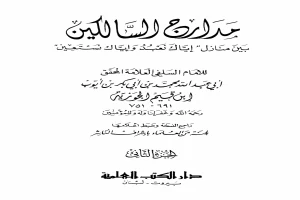
مدارج السالكين الجزء الثاني PDF - Ibn Qayyim Al-Jawzia
Ibn Qayyim Al-Jawzia • Islam • 547 Pages
(0)
Author
Ibn Qayyim Al-JawziaCategory
ReligionsSection
Number Of Downloads
83
Number Of Reads
72
File Size
8.33 MB
Views
1,292
Quate
Review
Save
Share
Book Description
يُعد كتاب «مدارج السالكين، الجزء الثاني» لشمس الدين ابن قيم الجوزية، واسمه الكامل محمد بن أبي بكر بن أيوب بن سعد الزرعي الدمشقي المتوفى سنة 751هـ، من أبرز كتب التزكية والسلوك في التراث الإسلامي. والكتاب في أصله ليس رواية ذات حبكة وشخصيات، بل عمل علمي روحي يشرح منازل العبودية والإيمان على ضوء القرآن والسنة، مع مناقشة دقيقة لمصطلحات السالكين إلى الله. وتستند بيانات هذه المقالة إلى طبعة دار الكتاب العربي في بيروت، الطبعة الثالثة، الصادرة سنة 1416هـ/1996م، بتحقيق محمد المعتصم بالله البغدادي، وهي طبعة مثبتة في فهارس المكتبة الشاملة، كما تذكر بياناتها أن الكتاب يقع في جزأين. (
يحمل الكتاب عنوانه الكامل «مدارج السالكين بين منازل إياك نعبد وإياك نستعين»، وهذا العنوان يلخص فكرته الأساسية؛ فهو يربط طريق تهذيب النفس بمعنى العبودية والاستعانة الوارد في سورة الفاتحة. يشرح ابن قيم الجوزية من خلاله كتاب «منازل السائرين» لأبي إسماعيل الهروي، لكنه لا يكتفي بالشرح اللغوي أو التعليق المختصر، بل يعيد بناء كثير من المفاهيم وفق منهجه العقدي والتربوي، فيوازن بين صفاء القلب وصحة الاعتقاد، وبين التجربة الروحية والالتزام بالنص الشرعي. وتشير بعض المصادر التعريفية إلى أن الكتاب بدأ بالكلام على فاتحة الكتاب وما تتضمنه من مطالب الهداية والعبودية والرد على الانحرافات الفكرية والسلوكية. (
يركز «مدارج السالكين الجزء الثاني» على متابعة منازل السير إلى الله، فينتقل بالقارئ من المفاهيم العامة إلى درجات أكثر عمقًا في مراقبة القلب، وتصفية العمل، وتثبيت اليقين. ومن الموضوعات البارزة التي ترد في فهرس هذا القسم من الكتاب: الرعاية، والمراقبة، وتعظيم حرمات الله، والإخلاص، والتهذيب، والاستقامة، والتوكل، والتفويض، والثقة بالله، والتسليم، والصبر، والرضا، والشكر، والحياء، والصدق، والإيثار، والخلق. ولا يعرض ابن القيم هذه المقامات بوصفها ألفاظًا وعظية مجردة، بل يحلل كل منزلة إلى مراتب ودرجات، ويبين ما يدخل فيها من أعمال القلب والجوارح، وما قد يعترضها من آفات خفية مثل رؤية العمل، أو الاغترار بالحال، أو الاعتماد على النفس.
ومع تقدم الكتاب، يزداد حضور المباحث المتعلقة بأحوال القلوب العالية، مثل الأنس بالله، والذكر، والفقر، والغنى، والإحسان، والعلم، والحكمة، والفراسة، والسكينة، والطمأنينة، والهمة، والمحبة، والشوق. ويظهر هنا أسلوب ابن قيم الجوزية في الجمع بين التحليل النفسي الدقيق والاستدلال الشرعي؛ فهو يتحدث عن المحبة مثلًا لا بوصفها شعورًا عابرًا، بل بوصفها مقامًا يغيّر اتجاه الإرادة، ويجعل العبد أكثر صدقًا في طلب رضا الله. كما يناقش الذكر والطمأنينة والسكينة باعتبارها آثارًا عملية للإيمان، لا مجرد حالات وجدانية منفصلة عن العلم والعمل.
ويتناول الجزء الثاني كذلك مصطلحات أعمق في أدبيات السلوك، مثل الغربة، والغيبة، والمشاهدة، والمعاينة، والحياة، والقبض والبسط، والمعرفة، والفناء، والبقاء، والتحقيق، والتجريد، والتفريد، والجمع، ثم التوحيد. أهمية هذا العرض أن ابن القيم لا يقبل كل استعمال لهذه المصطلحات كما هو، بل يمتحنها بميزان التوحيد والعبودية. لذلك يبدو الكتاب في كثير من صفحاته حوارًا نقديًا مع التراث الصوفي؛ يأخذ منه ما يراه صحيحًا في تهذيب النفس، ويرد ما يراه مخالفًا لكمال العبودية أو مشوبًا بالغلو في الفناء والجمع والاتحاد.
وخلاصة محتوى «مدارج السالكين الجزء الثاني» أنه رحلة معرفية وتربوية في مراتب القلب، تبدأ من ضبط العمل والإخلاص والمراقبة، وتمتد إلى مقامات المحبة والمعرفة والتوحيد. قيمة الكتاب لا تكمن في كونه نصًا سهل القراءة، بل في عمقه وقدرته على كشف دقائق النفس المؤمنة: كيف تصبر، وكيف ترضى، وكيف تشكر، وكيف تتوكل، وكيف تتخلص من حظوظها الخفية. ولذلك يبقى كتاب «مدارج السالكين» لابن قيم الجوزية مرجعًا مهمًا لكل قارئ يبحث عن فهم متوازن للتزكية الإسلامية، يجمع بين العلم الشرعي، ومحاسبة النفس، وبناء الطريق إلى الله على أساس «إياك نعبد وإياك نستعين».
Ibn Qayyim Al-Jawzia
Ibn Qayyim Al-Jawzia is one of the most influential Muslim scholars, authors, and spiritual thinkers of the fourteenth century, remembered for his exceptional contribution to Islamic jurisprudence, theology, Quranic reflection, prophetic biography, ethics, and the purification of the heart. Born in Damascus in 1292, he grew up in a city known for its libraries, teaching circles, legal schools, and vibrant scholarly life. His full name was Muhammad ibn Abi Bakr ibn Ayyub, but he became widely known as Ibn Qayyim Al-Jawzia because his father served as the caretaker and administrator of the Jawziyyah school. This connection gave him the title by which readers across many generations continue to recognize him. His intellectual formation took place in an environment shaped by memorization, debate, close study of religious texts, and deep reverence for learned teachers. Among those teachers, the most famous was Ibn Taymiyyah, whose influence on him was profound. Ibn Qayyim Al-Jawzia studied with him for many years, absorbed his concern for the Quran and the Sunnah, and shared his criticism of rigid imitation when it separated people from sound evidence and living moral purpose. Yet Ibn Qayyim Al-Jawzia was not merely a follower of another scholar. He developed a distinctive voice marked by emotional depth, precise argument, literary elegance, and a rare ability to connect law, worship, psychology, and spiritual transformation. His writings show a mind interested not only in legal rulings but also in the inner life of the believer: sincerity, repentance, patience, gratitude, love, fear, hope, trust, and the struggle against destructive habits. Among his best-known works is زاد المعاد في هدي خير العباد, a rich study of the guidance of the Prophet Muhammad that combines biography, law, medicine, worship, manners, and practical conduct. Another major work is مدارج السالكين, a profound exploration of the stations of spiritual wayfaring, where he explains how the seeker moves through repentance, awareness, devotion, reliance, contentment, and love. His book إعلام الموقعين عن رب العالمين remains especially important for readers of Islamic legal theory because it discusses the responsibility of scholars who issue religious judgments, the seriousness of speaking in the name of sacred law, and the need to understand both textual evidence and real human circumstances. In الداء والدواء, he writes with unusual insight about sin, desire, moral weakness, and healing through knowledge, devotion, remembrance, and discipline. In روضة المحبين ونزهة المشتاقين, he explores love with literary beauty and psychological subtlety, making the work valuable not only as religious literature but also as a study of human longing and attachment. Other important works, such as مفتاح دار السعادة, الفوائد, الوابل الصيب, تحفة المودود بأحكام المولود, and شفاء العليل, further reveal the breadth of his scholarship. His style often moves from textual proof to reflection, from argument to exhortation, and from structured classification to poetic description. This flexibility gives his books lasting appeal because they serve students of knowledge, preachers, researchers, and general readers seeking meaningful guidance. Ibn Qayyim Al-Jawzia wrote with a clear belief that knowledge should reform the heart and action, not remain confined to memorized information. His legacy is therefore both scholarly and devotional. He contributed to the Hanbali legal tradition, engaged central theological questions, preserved and interpreted prophetic guidance, and created a literature of the heart that continues to inspire readers in many languages. He died in Damascus in 1350, leaving behind a body of work that remains central to Islamic studies and to contemporary interest in Muslim spirituality, ethical self-development, and classical religious thought. For a book website or author biography section, Ibn Qayyim Al-Jawzia represents a major classical author whose writings combine intellectual discipline, spiritual intensity, moral seriousness, and literary power.
Earn Rewards While Reading!
Every 10 pages you read and spent 30 seconds on every page, earns you 5 reward points! Keep reading to unlock achievements and exclusive benefits.
Read
Rate Now
5 Stars
4 Stars
3 Stars
2 Stars
1 Stars
مدارج السالكين الجزء الثاني Quotes
Top Rated
Latest
Quate
Be the first to leave a quote and earn 10 points
instead of 3
'%20/%3e%3c/svg%3e "اجتماع الجيوش الإسلامية على حرب المعطلة والجهمية")
Comments
Be the first to leave a comment and earn 5 points
instead of 3