

The source of the book
This book is published for the public benefit under a Creative Commons license, or with the permission of the author or publisher. If you have any objections to its publication, please contact us.
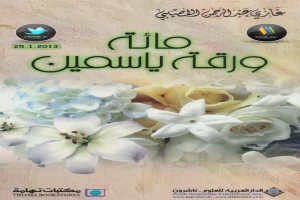
مائة ورقة ياسمين PDF - Ghazi Algosaibi
Ghazi Algosaibi • Novel and poetry collections • 256 Pages
(0)
Author
Ghazi AlgosaibiCategory
literatureSection
Number Of Downloads
53
Number Of Reads
61
File Size
1.73 MB
Views
795
Quate
Review
Save
Share
Book Description
يُعد كتاب «مائة ورقة ياسمين» للكاتب والدبلوماسي السعودي غازي القصيبي من الأعمال الأدبية التي تمزج بين التأمل الإنساني والأسلوب السردي الرشيق، وقد صدر لأول مرة عام 1987 عن دار سعاد الصباح للنشر. ويقدم الكتاب تجربة أدبية مختلفة عن الرواية التقليدية، إذ يعتمد على نصوص ورسائل وتأملات قصيرة تعكس رؤية المؤلف للحياة والحب والإنسان والذكريات، بأسلوب يجمع بين البساطة والعمق.
تدور الفكرة الرئيسية للكتاب حول استكشاف المشاعر الإنسانية وما يرافقها من حب وحنين وفقد وأمل. يستخدم غازي القصيبي لغة أدبية رفيعة لكنها سهلة القراءة، ويجعل من كل نص أو رسالة مساحة للتأمل في العلاقات الإنسانية وتقلبات الحياة. لا يعتمد الكتاب على حبكة روائية متسلسلة، بل يتكون من مجموعة من النصوص التي ترتبط بروح واحدة، مما يمنح القارئ فرصة للتوقف والتفكير بعد كل صفحة.
يتناول المؤلف موضوعات متعددة، من بينها الحب بوصفه تجربة إنسانية عميقة، وأهمية الوفاء والصدق، وتأثير الزمن في الإنسان، إضافة إلى الحديث عن الذكريات والأحلام والانكسارات التي يمر بها الجميع. ويحرص القصيبي على تقديم هذه الأفكار بلغة شاعرية بعيدة عن التعقيد، وهو ما يجعل الكتاب قريبًا من مختلف فئات القراء.
يناسب كتاب «مائة ورقة ياسمين» محبي الأدب العربي الحديث، والقراء الذين يفضلون النصوص القصيرة ذات الطابع الوجداني والفلسفي، كما يناسب من يبحث عن قراءة هادئة لا تعتمد على التشويق بقدر اعتمادها على جمال اللغة وعمق الفكرة. ويمكن قراءته على مراحل، إذ لا يشترط الالتزام بتسلسل معين لفهم محتواه.
من أبرز نقاط القوة في الكتاب أسلوب غازي القصيبي الأدبي الذي يجمع بين الرقة والوضوح، وقدرته على التعبير عن المشاعر الإنسانية بصدق دون مبالغة. كما يتميز بتنوع موضوعاته وقصر نصوصه، مما يجعله مناسبًا للقراءة المتقطعة. أما من نقاط الضعف، فقد يجد بعض القراء الذين يفضلون الروايات ذات الحبكة المتماسكة أن طبيعة الكتاب التأملية لا تلبي توقعاتهم، لأن التركيز فيه ينصب على الفكرة واللغة أكثر من الأحداث.
ما يميز «مائة ورقة ياسمين» عن كثير من الكتب المشابهة هو المزج بين الأدب والشعر والتأملات الشخصية في قالب واحد، إضافة إلى البصمة الخاصة لغازي القصيبي التي تجمع بين الثقافة الواسعة والخبرة الإنسانية واللغة الأنيقة. وقد استطاع المؤلف أن يكتب نصوصًا ما زالت تحتفظ بجاذبيتها رغم مرور السنوات، لأنها تتناول موضوعات إنسانية لا ترتبط بزمن معين.
يستحق الكتاب القراءة لكل من يقدر الأدب العربي الراقي ويستمتع بالنصوص التي تلامس الوجدان وتدعو إلى التفكير. فهو ليس مجرد مجموعة من الخواطر، بل تجربة أدبية تعكس رؤية كاتب بارز للحياة والإنسان، وتكشف جانبًا من حساسيته الأدبية وقدرته على التعبير عن التفاصيل الصغيرة التي تمنح الحياة معناها.
جاء الكتاب في سياق ازدهار الأدب العربي في ثمانينيات القرن العشرين، وهي مرحلة شهدت اهتمامًا متزايدًا بالأعمال التي تمزج بين السرد والتأمل، وكان غازي القصيبي أحد أبرز الأصوات الأدبية الخليجية في تلك الفترة. ولم يُعرف عن «مائة ورقة ياسمين» حصوله على جوائز أدبية مستقلة، إلا أنه يُعد من الأعمال التي أسهمت في ترسيخ مكانة غازي القصيبي كواحد من أهم الأدباء العرب المعاصرين، ولا يزال يحظى باهتمام القراء والباحثين في الأدب العربي.
ملاحظة: هناك اختلاف بين بعض الطبعات حول سنة النشر الأولى ودار النشر، لكن المعلومات الواردة أعلاه تعكس البيانات الأكثر تداولًا في المراجع المتاحة. إذا كنت ترغب في نسخة محسنة ومتوافقة مع السيو (SEO) بشكل أكبر للنشر على موقع إلكتروني، أستطيع إعدادها أيضًا.
Ghazi Algosaibi
Ghazi Al Gosaibi is widely recognized as one of the most influential Saudi Arabian literary figures, diplomats, and statesmen of the modern era. Ghazi Al Gosaibi stands out not only as a prolific novelist and poet but also as a highly respected public intellectual whose career spanned government service, diplomacy, and cultural commentary. His unique ability to move between literature and politics made him a rare figure in the Arab world, where he successfully combined artistic expression with high-level administrative responsibilities, shaping both cultural discourse and public policy in Saudi Arabia for several decades.
Ghazi Al Gosaibi was born in Al-Ahsa, Saudi Arabia, and pursued his early education in his home country before continuing his higher studies abroad. He earned academic degrees in law and international relations, including studies in the United States and the United Kingdom, which significantly influenced his worldview and writing style. Ghazi Al Gosaibi later completed a PhD in international relations from the University of Southern California, an academic achievement that reinforced his analytical approach to politics and society. This strong educational background allowed him to navigate complex governmental roles while maintaining a distinctive literary voice that resonated across the Arab world.
In his professional career, Ghazi Al Gosaibi held several key ministerial and diplomatic positions in the Saudi government. He served as Minister of Industry and Electricity, Minister of Health, and Minister of Water and Electricity at different stages of his career. He also served as Saudi Arabia’s ambassador to Bahrain and later to the United Kingdom and Ireland. These roles placed him at the center of regional and international diplomacy during critical periods of development and change. Despite the demands of his governmental responsibilities, Ghazi Al Gosaibi continued to write extensively, producing poetry, essays, and novels that reflected his deep concern for human dignity, freedom, governance, and social justice.
As a literary figure, Ghazi Al Gosaibi is best known for his bold and often controversial writings that explore themes such as freedom, identity, political reform, love, exile, and the struggles of modern Arab societies. His novels often blend autobiographical elements with fictional storytelling, creating a powerful narrative style that bridges realism and philosophical reflection. Among his most notable works are novels such as Shiqaq al-Huriyyah (The Apartment of Freedom), Awdat al-Tayr ila al-Bahr (The Return of the Bird to the Sea), and Abu Shalakh al-Barma'i. These works are celebrated for their emotional depth, social critique, and stylistic elegance, and they have been widely studied in Arabic literature courses across universities.
Ghazi Al Gosaibi was also a gifted poet whose poetry collections reflect a deep sensitivity to human emotion and existential questions. His poetry often expresses themes of longing, patriotism, loss, and the search for meaning in a rapidly changing world. Unlike many traditional poets, he adopted a modern tone that blended classical Arabic poetic forms with contemporary concerns, making his work accessible to both academic and general audiences.
Beyond literature and politics, Ghazi Al Gosaibi was known for his strong personality and outspoken views. He often addressed sensitive social and political issues in his writings, which sometimes led to controversy, yet also earned him widespread respect as a courageous intellectual voice. His ability to maintain integrity in both his governmental roles and literary pursuits contributed to his enduring legacy.
Ghazi Al Gosaibi passed away in 2010, but his influence continues to be felt across the Arab cultural and political landscape. He remains a symbol of the modern Arab intellectual who bridges the gap between governance and artistic expression. His works continue to inspire new generations of writers, thinkers, and readers who seek to understand the complexities of Arab identity and modernity.
Earn Rewards While Reading!
Every 10 pages you read and spent 30 seconds on every page, earns you 5 reward points! Keep reading to unlock achievements and exclusive benefits.
Read
Rate Now
5 Stars
4 Stars
3 Stars
2 Stars
1 Stars
مائة ورقة ياسمين Quotes
Top Rated
Latest
Quate
Be the first to leave a quote and earn 10 points
instead of 3
'%20/%3e%3c/svg%3e "حياة في الإدارة")
Comments
Be the first to leave a comment and earn 5 points
instead of 3