

The source of the book
This book is published for the public benefit under a Creative Commons license, or with the permission of the author or publisher. If you have any objections to its publication, please contact us.
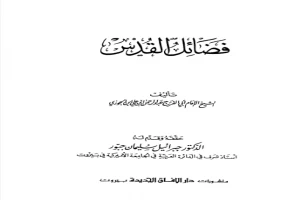
فضائل القدس PDF - Ibn Qayyim Al-Jawzia
Ibn Qayyim Al-Jawzia • Islam • 172 Pages
(0)
Author
Ibn Qayyim Al-JawziaCategory
ReligionsSection
Number Of Downloads
43
Number Of Reads
50
File Size
4.20 MB
Views
927
Quate
Review
Save
Share
Book Description
فضائل القدس: قراءة تراثية في مكانة بيت المقدس وروحانيته
فضائل القدس كتاب يندرج ضمن كتب الفضائل الإسلامية التي اعتنت ببيان منزلة الأماكن المباركة في الوجدان الديني والتاريخ الإسلامي، وعلى رأسها بيت المقدس وما ارتبط به من معانٍ قرآنية وحديثية وتاريخية وروحية. ويأتي هذا الكتاب ليقرّب القارئ من صورة القدس في الذاكرة الإسلامية، لا بوصفها مدينة عادية، بل باعتبارها موضعًا ارتبط بالأنبياء، ومسرى النبي ﷺ، ومجالًا واسعًا للتأمل في معنى البركة، والقداسة، والارتباط الروحي بأرض لها حضور عميق في كتب التراث.
تجدر الإشارة إلى أن هذا العنوان يظهر في بعض الفهارس والمواقع منسوبًا إلى شمس الدين ابن قيم الجوزية، بينما تثبته فهارس وطبعات أخرى بعنوان فضائل القدس أو فضائل بيت المقدس لأبي الفرج ابن الجوزي، مع تحقيقات وطبعات مختلفة. لذلك فإن القيمة الأساسية لهذا الكتاب للقارئ المعاصر تكمن في موضوعه ومادته التراثية عن القدس وبيت المقدس، مع أهمية الانتباه إلى بيانات النسخة المعتمدة في كل طبعة أو فهرس.
موضوع الكتاب ومكانته في كتب فضائل بيت المقدس
يدور كتاب فضائل القدس حول بيان المكانة الدينية والتاريخية لبيت المقدس، مستندًا إلى الأخبار والآثار والروايات التي شاعت في كتب التراث حول فضائل هذه البقعة المباركة. ومن خلال هذا الموضوع، يجد القارئ نفسه أمام لون مهم من ألوان التأليف الإسلامي، وهو أدب فضائل البلدان والأماكن المقدسة، حيث لا يقتصر الاهتمام على الجغرافيا أو التاريخ وحدهما، بل يمتد إلى المعنى الإيماني والرمزي الذي تحمله المدينة في وجدان المسلمين.
يعرض الكتاب القدس من زاوية تجمع بين الرواية الدينية والذاكرة التاريخية والوعظ الروحي. فهو لا يقدم دراسة حديثة بالمعنى الأكاديمي المعاصر، بل ينتمي إلى أسلوب المصنفات التراثية التي تجمع الأخبار وتورد الآثار وتبرز دلالاتها، مما يجعله مناسبًا للقراء المهتمين بكتب التراث الإسلامي، وتاريخ القدس، ومكانة المسجد الأقصى، وموضوعات الشام وبيت المقدس في الثقافة الإسلامية.
تجربة قراءة تراثية ذات طابع إيماني
قراءة فضائل القدس تمنح القارئ فرصة للعودة إلى طريقة العلماء القدامى في تناول المدن المباركة، حيث تتداخل النصوص والروايات مع المقاصد الوعظية والتذكيرية. فالكتاب يفتح بابًا لفهم كيف كان المسلمون ينظرون إلى القدس عبر العصور، وكيف تشكلت حولها طبقات من المعاني الدينية والوجدانية التي جعلت حضورها يتجاوز حدود المكان إلى مجال العقيدة والعبادة والتاريخ.
يمتاز هذا النوع من الكتب بأنه يخاطب القارئ الباحث عن صلة روحية بالقدس، كما يخاطب المهتم بدراسة التراث الذي تناول فضائل بيت المقدس وموقعه في المخيال الإسلامي. ومن هنا، فإن الكتاب لا يُقرأ لمجرد جمع المعلومات، بل يُقرأ أيضًا بوصفه نصًا يكشف عن طريقة التعبير التراثي عن المحبة والتعظيم والتعلق بالأماكن التي ارتبطت بالأنبياء والرسالات.
لمن يناسب كتاب فضائل القدس؟
يناسب هذا الكتاب القراء المهتمين بـ الكتب الإسلامية التراثية، وطلاب العلم الذين يبحثون في موضوع فضائل القدس والمسجد الأقصى، والباحثين في تاريخ بيت المقدس في المصادر العربية، وكذلك القراء الذين يريدون نصًا يعكس حضور القدس في الذاكرة الدينية الإسلامية. كما يمكن أن يكون مفيدًا لمن يقرأ في كتب الرقائق والوعظ، لأن مادته لا تنفصل عن التذكير بالمعاني الإيمانية المرتبطة بالمكان والعبادة والقداسة.
وسيجد القارئ في الكتاب مادة تساعده على فهم مكانة القدس في التراث، مع ضرورة قراءة الأخبار والآثار الواردة فيه بروح علمية واعية، خاصة أن كتب الفضائل القديمة قد تجمع بين الصحيح والحسن والضعيف وما يحتاج إلى نظر وتحقيق. وهذا لا يقلل من أهمية الكتاب، بل يضعه في سياقه الصحيح: نص تراثي يعكس اهتمام العلماء والوعاظ والقراء عبر القرون ببيت المقدس ومكانته في الوجدان الإسلامي.
قيمة الكتاب للقارئ المعاصر
تزداد أهمية فضائل القدس اليوم لأن موضوعه لا يزال حاضرًا بقوة في الاهتمام الثقافي والديني؛ فالقدس ليست مجرد عنوان تاريخي، بل رمز ديني وحضاري يتجدد حضوره في وعي المسلمين والعرب. ومن خلال قراءة هذا الكتاب، يستطيع القارئ أن يقترب من جذور هذا الحضور في النصوص والمرويات والذاكرة العلمية، وأن يرى كيف تشكلت صورة بيت المقدس في كتب المسلمين القديمة.
كما يقدم الكتاب مدخلًا مناسبًا لمن يريد التعرف إلى أدب فضائل الأماكن، وهو باب واسع في التراث الإسلامي يضم مؤلفات عن مكة والمدينة والشام وبيت المقدس وغيرها من المواضع ذات المكانة الخاصة. وبهذا المعنى، فإن فضائل القدس ليس كتابًا عن مدينة فحسب، بل هو نافذة على علاقة المسلمين بالمكان المقدس، وعلى الطريقة التي حفظ بها التراث الديني ذاكرة المدن المباركة ومعانيها.
خلاصة وصف كتاب فضائل القدس
فضائل القدس كتاب مهم لكل من يبحث عن نص تراثي يتناول مكانة بيت المقدس وفضائله وحضوره في الذاكرة الإسلامية. يجمع الكتاب بين الطابع الروحي والاهتمام التاريخي والروايات المأثورة، ويمنح القارئ تصورًا عن منزلة القدس في أدبيات العلماء والوعاظ. وبأسلوبه التراثي، يظل الكتاب مناسبًا للمهتمين بموضوع القدس في الإسلام، وفضائل المسجد الأقصى، وكتب الرقائق، والمصادر القديمة التي تناولت المدن المباركة ومكانتها في الوجدان الديني.
Ibn Qayyim Al-Jawzia
Ibn Qayyim Al-Jawzia is one of the most influential Muslim scholars, authors, and spiritual thinkers of the fourteenth century, remembered for his exceptional contribution to Islamic jurisprudence, theology, Quranic reflection, prophetic biography, ethics, and the purification of the heart. Born in Damascus in 1292, he grew up in a city known for its libraries, teaching circles, legal schools, and vibrant scholarly life. His full name was Muhammad ibn Abi Bakr ibn Ayyub, but he became widely known as Ibn Qayyim Al-Jawzia because his father served as the caretaker and administrator of the Jawziyyah school. This connection gave him the title by which readers across many generations continue to recognize him. His intellectual formation took place in an environment shaped by memorization, debate, close study of religious texts, and deep reverence for learned teachers. Among those teachers, the most famous was Ibn Taymiyyah, whose influence on him was profound. Ibn Qayyim Al-Jawzia studied with him for many years, absorbed his concern for the Quran and the Sunnah, and shared his criticism of rigid imitation when it separated people from sound evidence and living moral purpose. Yet Ibn Qayyim Al-Jawzia was not merely a follower of another scholar. He developed a distinctive voice marked by emotional depth, precise argument, literary elegance, and a rare ability to connect law, worship, psychology, and spiritual transformation. His writings show a mind interested not only in legal rulings but also in the inner life of the believer: sincerity, repentance, patience, gratitude, love, fear, hope, trust, and the struggle against destructive habits. Among his best-known works is زاد المعاد في هدي خير العباد, a rich study of the guidance of the Prophet Muhammad that combines biography, law, medicine, worship, manners, and practical conduct. Another major work is مدارج السالكين, a profound exploration of the stations of spiritual wayfaring, where he explains how the seeker moves through repentance, awareness, devotion, reliance, contentment, and love. His book إعلام الموقعين عن رب العالمين remains especially important for readers of Islamic legal theory because it discusses the responsibility of scholars who issue religious judgments, the seriousness of speaking in the name of sacred law, and the need to understand both textual evidence and real human circumstances. In الداء والدواء, he writes with unusual insight about sin, desire, moral weakness, and healing through knowledge, devotion, remembrance, and discipline. In روضة المحبين ونزهة المشتاقين, he explores love with literary beauty and psychological subtlety, making the work valuable not only as religious literature but also as a study of human longing and attachment. Other important works, such as مفتاح دار السعادة, الفوائد, الوابل الصيب, تحفة المودود بأحكام المولود, and شفاء العليل, further reveal the breadth of his scholarship. His style often moves from textual proof to reflection, from argument to exhortation, and from structured classification to poetic description. This flexibility gives his books lasting appeal because they serve students of knowledge, preachers, researchers, and general readers seeking meaningful guidance. Ibn Qayyim Al-Jawzia wrote with a clear belief that knowledge should reform the heart and action, not remain confined to memorized information. His legacy is therefore both scholarly and devotional. He contributed to the Hanbali legal tradition, engaged central theological questions, preserved and interpreted prophetic guidance, and created a literature of the heart that continues to inspire readers in many languages. He died in Damascus in 1350, leaving behind a body of work that remains central to Islamic studies and to contemporary interest in Muslim spirituality, ethical self-development, and classical religious thought. For a book website or author biography section, Ibn Qayyim Al-Jawzia represents a major classical author whose writings combine intellectual discipline, spiritual intensity, moral seriousness, and literary power.
Earn Rewards While Reading!
Every 10 pages you read and spent 30 seconds on every page, earns you 5 reward points! Keep reading to unlock achievements and exclusive benefits.
Read
Rate Now
5 Stars
4 Stars
3 Stars
2 Stars
1 Stars
فضائل القدس Quotes
Top Rated
Latest
Quate
Be the first to leave a quote and earn 10 points
instead of 3
'%20/%3e%3c/svg%3e "اجتماع الجيوش الإسلامية على حرب المعطلة والجهمية")
Comments
Be the first to leave a comment and earn 5 points
instead of 3