

The source of the book
This book is published for the public benefit under a Creative Commons license, or with the permission of the author or publisher. If you have any objections to its publication, please contact us.
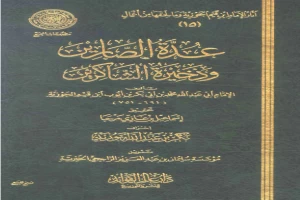
عدة الصابرين وذخيرة الشاكرين PDF - Ibn Qayyim Al-Jawzia
Ibn Qayyim Al-Jawzia • Islam • 691 Pages
(0)
Author
Ibn Qayyim Al-JawziaCategory
ReligionsSection
Number Of Downloads
53
Number Of Reads
57
File Size
10.02 MB
Views
856
Quate
Review
Save
Share
Book Description
يُعد كتاب «عدة الصابرين وذخيرة الشاكرين» من أشهر كتب التزكية والأخلاق الإسلامية التي ألّفها شمس الدين ابن قيم الجوزية، واسمه الكامل أبو عبد الله محمد بن أبي بكر بن أيوب ابن قيم الجوزية، المتوفى سنة 751هـ. ولأن الكتاب تراثي لا ينتمي إلى نظام النشر الحديث عند تأليفه، فإن بيانات النشر المقصودة هنا تتعلق بإحدى طبعاته المحققة المتداولة؛ فقد صدر في طبعة مجمع الفقه الإسلامي بجدة سنة 1429هـ، بتحقيق إسماعيل بن غازي مرحبا، في مجلد واحد يقع في 748 صفحة. كما وردت له طبعة أخرى حديثة عن دار عطاءات العلم بالرياض ودار ابن حزم ببيروت، الطبعة الرابعة سنة 1440هـ/2019م.
يتناول ابن قيم الجوزية في «عدة الصابرين وذخيرة الشاكرين» موضوعين متلازمين في التجربة الإيمانية: الصبر والشكر. لا يقدم الكتاب سردًا قصصيًا أو حبكة روائية، بل يعرض بناءً علميًا ووعظيًا يشرح معنى الصبر، أقسامه، درجاته، علاقته بالإيمان، وموقعه من حياة الإنسان في السراء والضراء. ومن جهة أخرى، يبيّن منزلة الشكر، وحقيقته، وفضله، وكيف يكون الشكر بالقلب واللسان والعمل، مع مقارنة واسعة بين مقام الصابر ومقام الشاكر.
يفتتح المؤلف كتابه بتقرير أهمية الصبر وحاجة الإنسان إليه في كل أحواله، ثم ينتقل إلى تحليل اللفظ من حيث المعنى والاشتقاق، قبل أن يشرح حقيقة الصبر كما فهمها العلماء والعبّاد. ويعرض ابن القيم فروقًا دقيقة بين الصبر والتصبر والاصطبار والمصابرة، ويقسّم الصبر بحسب محلّه ومتعلقه وقوته وضعفه. ومن أبرز ما يميّز الكتاب أنه لا يحصر الصبر في تحمّل المصائب فقط، بل يجعله أصلًا حاضرًا في طاعة الله، وترك المعصية، واحتمال الأقدار المؤلمة، ومقاومة الهوى.
ومن محتوى الكتاب المهم حديثه عن الصبر المحمود والصبر المذموم، وبيانه أن الصبر ليس قيمة مطلقة في كل موضع، بل يختلف حكمه باختلاف متعلقه ومقصده. لذلك يناقش ابن القيم الصبر الواجب والمستحب والمباح والمكروه والمحرم، فيربط الجانب الروحي بالتصور الفقهي والأخلاقي. كما يذكر الأسباب التي تعين العبد على الصبر، مثل تقوية باعث الدين، وإضعاف سلطان الهوى، واستحضار العاقبة، ومعرفة طبيعة الدنيا وقصرها.
يعتمد «عدة الصابرين وذخيرة الشاكرين» على الاستدلال بالقرآن الكريم والسنة النبوية وآثار الصحابة والتابعين، وهي موضوعات تظهر بوضوح في فهرس الكتاب؛ إذ خُصصت أبواب لذكر ما ورد في الصبر من نصوص القرآن، ثم ما ورد فيه من السنة، ثم الآثار المنقولة عن السلف. وهذا الأسلوب يمنح الكتاب طابعًا موسوعيًا في موضوعه، لأنه يجمع بين التفسير، والحديث، والفقه، والرقائق، والتحليل النفسي والسلوكي بلغة تراثية مؤثرة.
ولا يقف ابن القيم عند الصبر وحده، بل يوسّع النظر إلى الشكر بوصفه ثمرة من ثمرات معرفة النعمة والمنعم. يناقش الكتاب منزلة الغني الشاكر والفقير الصابر، وهي من المسائل التي اشتهرت في كتب الزهد والتزكية، فيعرض الأدلة والوجوه المختلفة دون تحويل الموضوع إلى جدل نظري مجرد. والغاية الكبرى من هذا النقاش هي توجيه القارئ إلى أن كمال العبودية لا يتحقق بمجرد احتمال البلاء، ولا بمجرد الاعتراف بالنعمة، بل باجتماع الصبر والشكر بحسب الحال.
يمثل كتاب «عدة الصابرين وذخيرة الشاكرين» مرجعًا مناسبًا لمن يبحث عن معنى الصبر في الإسلام، وفضائل الشكر، وتهذيب النفس عند ابن القيم. قوته الأساسية في أنه يحوّل المفاهيم الإيمانية إلى رؤية عملية للحياة؛ فالمصيبة تحتاج إلى صبر، والنعمة تحتاج إلى شكر، والطاعة تحتاج إلى مجاهدة، والمعصية تحتاج إلى امتناع ومقاومة. لذلك بقي الكتاب حاضرًا في مكتبات التزكية والأخلاق، ومفيدًا للقارئ الذي يريد فهمًا عميقًا لمقامي الصبر والشكر في التراث الإسلامي.
Ibn Qayyim Al-Jawzia
Ibn Qayyim Al-Jawzia is one of the most influential Muslim scholars, authors, and spiritual thinkers of the fourteenth century, remembered for his exceptional contribution to Islamic jurisprudence, theology, Quranic reflection, prophetic biography, ethics, and the purification of the heart. Born in Damascus in 1292, he grew up in a city known for its libraries, teaching circles, legal schools, and vibrant scholarly life. His full name was Muhammad ibn Abi Bakr ibn Ayyub, but he became widely known as Ibn Qayyim Al-Jawzia because his father served as the caretaker and administrator of the Jawziyyah school. This connection gave him the title by which readers across many generations continue to recognize him. His intellectual formation took place in an environment shaped by memorization, debate, close study of religious texts, and deep reverence for learned teachers. Among those teachers, the most famous was Ibn Taymiyyah, whose influence on him was profound. Ibn Qayyim Al-Jawzia studied with him for many years, absorbed his concern for the Quran and the Sunnah, and shared his criticism of rigid imitation when it separated people from sound evidence and living moral purpose. Yet Ibn Qayyim Al-Jawzia was not merely a follower of another scholar. He developed a distinctive voice marked by emotional depth, precise argument, literary elegance, and a rare ability to connect law, worship, psychology, and spiritual transformation. His writings show a mind interested not only in legal rulings but also in the inner life of the believer: sincerity, repentance, patience, gratitude, love, fear, hope, trust, and the struggle against destructive habits. Among his best-known works is زاد المعاد في هدي خير العباد, a rich study of the guidance of the Prophet Muhammad that combines biography, law, medicine, worship, manners, and practical conduct. Another major work is مدارج السالكين, a profound exploration of the stations of spiritual wayfaring, where he explains how the seeker moves through repentance, awareness, devotion, reliance, contentment, and love. His book إعلام الموقعين عن رب العالمين remains especially important for readers of Islamic legal theory because it discusses the responsibility of scholars who issue religious judgments, the seriousness of speaking in the name of sacred law, and the need to understand both textual evidence and real human circumstances. In الداء والدواء, he writes with unusual insight about sin, desire, moral weakness, and healing through knowledge, devotion, remembrance, and discipline. In روضة المحبين ونزهة المشتاقين, he explores love with literary beauty and psychological subtlety, making the work valuable not only as religious literature but also as a study of human longing and attachment. Other important works, such as مفتاح دار السعادة, الفوائد, الوابل الصيب, تحفة المودود بأحكام المولود, and شفاء العليل, further reveal the breadth of his scholarship. His style often moves from textual proof to reflection, from argument to exhortation, and from structured classification to poetic description. This flexibility gives his books lasting appeal because they serve students of knowledge, preachers, researchers, and general readers seeking meaningful guidance. Ibn Qayyim Al-Jawzia wrote with a clear belief that knowledge should reform the heart and action, not remain confined to memorized information. His legacy is therefore both scholarly and devotional. He contributed to the Hanbali legal tradition, engaged central theological questions, preserved and interpreted prophetic guidance, and created a literature of the heart that continues to inspire readers in many languages. He died in Damascus in 1350, leaving behind a body of work that remains central to Islamic studies and to contemporary interest in Muslim spirituality, ethical self-development, and classical religious thought. For a book website or author biography section, Ibn Qayyim Al-Jawzia represents a major classical author whose writings combine intellectual discipline, spiritual intensity, moral seriousness, and literary power.
Earn Rewards While Reading!
Every 10 pages you read and spent 30 seconds on every page, earns you 5 reward points! Keep reading to unlock achievements and exclusive benefits.
Read
Rate Now
5 Stars
4 Stars
3 Stars
2 Stars
1 Stars
عدة الصابرين وذخيرة الشاكرين Quotes
Top Rated
Latest
Quate
Be the first to leave a quote and earn 10 points
instead of 3
'%20/%3e%3c/svg%3e "اجتماع الجيوش الإسلامية على حرب المعطلة والجهمية")
Comments
Be the first to leave a comment and earn 5 points
instead of 3