

The source of the book
This book is published for the public benefit under a Creative Commons license, or with the permission of the author or publisher. If you have any objections to its publication, please contact us.
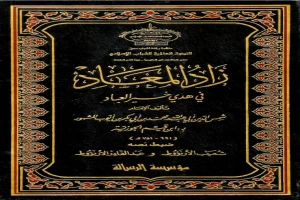
زاد المعاد في هدي خير العباد PDF - Ibn Qayyim Al-Jawzia
Ibn Qayyim Al-Jawzia • Islam • 1,121 Pages
(0)
Author
Ibn Qayyim Al-JawziaCategory
ReligionsSection
Number Of Downloads
45
Number Of Reads
53
File Size
29.79 MB
Views
983
Quate
Review
Save
Share
Book Description
يُعدّ كتاب «زاد المعاد في هدي خير العباد» من أبرز كتب التراث الإسلامي التي ألّفها شمس الدين ابن قيم الجوزية، واسمه محمد بن أبي بكر بن أيوب الزرعي الدمشقي، المتوفى سنة 751هـ/1350م. والكتاب ليس رواية ذات حبكة وشخصيات، بل مصنَّف علمي يجمع بين السيرة النبوية، والفقه، والحديث، والتربية، وبيان هدي النبي محمد ﷺ في العبادة والمعاملة والحياة اليومية. وبما أن الكتاب أُلّف في القرن الثامن الهجري، فلا توجد له سنة نشر أصلية أو ناشر بالمعنى الحديث، لكن من طبعاته المعاصرة المشهورة طبعة مؤسسة الرسالة الصادرة سنة 1418هـ/1998م بتحقيق شعيب الأرناؤوط وعبد القادر الأرناؤوط، كما تذكر بيانات هذه الطبعة أنها جاءت في ستة مجلدات.
تنبع أهمية زاد المعاد في هدي خير العباد من كونه لا يقدّم السيرة النبوية بوصفها سردًا تاريخيًا مجردًا، بل يعرضها باعتبارها منهجًا عمليًا للحياة. فقد اهتم ابن قيم الجوزية ببيان كيف كان هدي الرسول ﷺ في عبادته، وسفره، وإقامته، وطعامه، ولباسه، ونومه، وذكره، وصلاته، وصيامه، وحجه، وجهاده، وتعليمه، وتعامله مع أهله وأصحابه وخصومه. ولهذا يجمع الكتاب بين المادة التاريخية والتحليل الفقهي والاستنباط التربوي، مما جعله مرجعًا مهمًا للباحثين والقراء المهتمين بالسيرة النبوية والفقه الإسلامي. وتشير بعض التعريفات الحديثة بالكتاب إلى أنه يتناول الفقه وأصوله والسيرة والتاريخ، ويبيّن هدي النبي ﷺ في حياته وغزواته ومعاملاته.
يبدأ الكتاب بتقرير مكانة النبي ﷺ ووجوب اتباع هديه، ثم ينتقل إلى عرض واسع لجوانب حياته. ومن أبرز ما يميز الكتاب أن ابن القيم لا يكتفي بذكر الأخبار، بل يقارن بين الأقوال، ويناقش الأدلة، ويرجّح ما يراه أقرب إلى النصوص الشرعية. لذلك يجد القارئ في زاد المعاد مادة غنية عن شمائل النبي ﷺ، وأحكام العبادات، ومسائل الطب النبوي، وأحداث الغزوات، وأحكام السفر، وآداب الدعاء والذكر، وأحكام النكاح والمعاملات، وغير ذلك من الموضوعات المتفرقة التي جمعها المؤلف تحت فكرة مركزية واحدة: معرفة الهدي النبوي والاقتداء به.
أما مضمون الكتاب فيمكن تلخيصه بأنه رحلة علمية في تفاصيل الحياة النبوية، لا على طريقة كتب السيرة التقليدية وحدها، بل من خلال ربط الوقائع بالأحكام والمعاني. فعند حديثه عن الصلاة مثلًا يبيّن صفتها وهدي النبي ﷺ فيها، وعند حديثه عن الصيام والحج يشرح ما ورد في السنة من أعمال وأحكام، وعند تناوله الغزوات لا يكتفي بتسلسل الأحداث، بل يستخرج الدروس الفقهية والتربوية والسياسية. كما يتوقف عند تعامل النبي ﷺ مع الناس في أحوال مختلفة، فيرسم صورة شاملة للهدي النبوي في الرحمة، والحزم، والتعليم، والصبر، وإدارة المجتمع.
ويتميّز أسلوب ابن قيم الجوزية في هذا الكتاب بالجمع بين الاستدلال والتحليل، مع حضور واضح لثقافته الحديثية والفقهية. كما أن الكتاب يكشف عن عناية المؤلف بتقريب السنة النبوية إلى واقع المسلم، بحيث لا تبقى السيرة مجرد أخبار ماضية، بل تتحول إلى دليل عملي في السلوك والعبادة والمعرفة. ولهذا ظل زاد المعاد في هدي خير العباد حاضرًا في المكتبات الإسلامية، وتعددت طبعاته وتحقيقاته، ومنها طبعات مفهرسة في المكتبات الرقمية الحديثة مثل المكتبة الشاملة.
باختصار، يقدم كتاب زاد المعاد في هدي خير العباد خلاصة واسعة لهدي النبي ﷺ كما فهمه وشرحه ابن قيم الجوزية، جامعًا بين السيرة والفقه والحديث والآداب. وهو كتاب مناسب لمن يريد قراءة السيرة النبوية قراءة تطبيقية، وفهم كيف تحوّلت حياة الرسول ﷺ إلى نموذج شامل في العبادة، والأخلاق، والمعاملة، وبناء الإنسان المسلم.
Ibn Qayyim Al-Jawzia
Ibn Qayyim Al-Jawzia is one of the most influential Muslim scholars, authors, and spiritual thinkers of the fourteenth century, remembered for his exceptional contribution to Islamic jurisprudence, theology, Quranic reflection, prophetic biography, ethics, and the purification of the heart. Born in Damascus in 1292, he grew up in a city known for its libraries, teaching circles, legal schools, and vibrant scholarly life. His full name was Muhammad ibn Abi Bakr ibn Ayyub, but he became widely known as Ibn Qayyim Al-Jawzia because his father served as the caretaker and administrator of the Jawziyyah school. This connection gave him the title by which readers across many generations continue to recognize him. His intellectual formation took place in an environment shaped by memorization, debate, close study of religious texts, and deep reverence for learned teachers. Among those teachers, the most famous was Ibn Taymiyyah, whose influence on him was profound. Ibn Qayyim Al-Jawzia studied with him for many years, absorbed his concern for the Quran and the Sunnah, and shared his criticism of rigid imitation when it separated people from sound evidence and living moral purpose. Yet Ibn Qayyim Al-Jawzia was not merely a follower of another scholar. He developed a distinctive voice marked by emotional depth, precise argument, literary elegance, and a rare ability to connect law, worship, psychology, and spiritual transformation. His writings show a mind interested not only in legal rulings but also in the inner life of the believer: sincerity, repentance, patience, gratitude, love, fear, hope, trust, and the struggle against destructive habits. Among his best-known works is زاد المعاد في هدي خير العباد, a rich study of the guidance of the Prophet Muhammad that combines biography, law, medicine, worship, manners, and practical conduct. Another major work is مدارج السالكين, a profound exploration of the stations of spiritual wayfaring, where he explains how the seeker moves through repentance, awareness, devotion, reliance, contentment, and love. His book إعلام الموقعين عن رب العالمين remains especially important for readers of Islamic legal theory because it discusses the responsibility of scholars who issue religious judgments, the seriousness of speaking in the name of sacred law, and the need to understand both textual evidence and real human circumstances. In الداء والدواء, he writes with unusual insight about sin, desire, moral weakness, and healing through knowledge, devotion, remembrance, and discipline. In روضة المحبين ونزهة المشتاقين, he explores love with literary beauty and psychological subtlety, making the work valuable not only as religious literature but also as a study of human longing and attachment. Other important works, such as مفتاح دار السعادة, الفوائد, الوابل الصيب, تحفة المودود بأحكام المولود, and شفاء العليل, further reveal the breadth of his scholarship. His style often moves from textual proof to reflection, from argument to exhortation, and from structured classification to poetic description. This flexibility gives his books lasting appeal because they serve students of knowledge, preachers, researchers, and general readers seeking meaningful guidance. Ibn Qayyim Al-Jawzia wrote with a clear belief that knowledge should reform the heart and action, not remain confined to memorized information. His legacy is therefore both scholarly and devotional. He contributed to the Hanbali legal tradition, engaged central theological questions, preserved and interpreted prophetic guidance, and created a literature of the heart that continues to inspire readers in many languages. He died in Damascus in 1350, leaving behind a body of work that remains central to Islamic studies and to contemporary interest in Muslim spirituality, ethical self-development, and classical religious thought. For a book website or author biography section, Ibn Qayyim Al-Jawzia represents a major classical author whose writings combine intellectual discipline, spiritual intensity, moral seriousness, and literary power.
Earn Rewards While Reading!
Every 10 pages you read and spent 30 seconds on every page, earns you 5 reward points! Keep reading to unlock achievements and exclusive benefits.
Read
Rate Now
5 Stars
4 Stars
3 Stars
2 Stars
1 Stars
زاد المعاد في هدي خير العباد Quotes
Top Rated
Latest
Quate
Be the first to leave a quote and earn 10 points
instead of 3
'%20/%3e%3c/svg%3e "اجتماع الجيوش الإسلامية على حرب المعطلة والجهمية")
Comments
Be the first to leave a comment and earn 5 points
instead of 3