

The source of the book
This book is published for the public benefit under a Creative Commons license, or with the permission of the author or publisher. If you have any objections to its publication, please contact us.
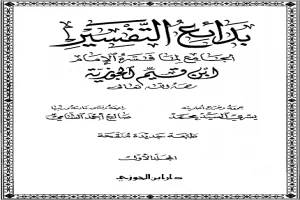
بدائع التفسير الجامع لما فسره الإمام ابن قيم الجوزية المجلد الاول PDF - Ibn Qayyim Al-Jawzia
Ibn Qayyim Al-Jawzia • Islam • 462 Pages
(0)
Author
Ibn Qayyim Al-JawziaCategory
ReligionsSection
Number Of Downloads
52
Number Of Reads
44
File Size
9.64 MB
Views
849
Quate
Review
Save
Share
Book Description
يُعد كتاب «بدائع التفسير - المجلد الأول» من الأعمال المهمة المنسوبة إلى تراث الإمام شمس الدين ابن قيم الجوزية، واسمه محمد بن أبي بكر بن أيوب الزرعي الدمشقي، وهو من علماء القرن الثامن الهجري، عاش بين سنتي 691 و751هـ، واشتهر باشتغاله بالفقه والتفسير والعقيدة والتزكية واللغة. والكتاب ليس تفسيرًا ألّفه ابن القيم على هيئة مصحف كامل مرتب من أوله إلى آخره، بل هو جمع لما ورد في كتبه من تفسير للآيات القرآنية، ثم رُتّب في صورة تفسيرية تقرّب مادته إلى القارئ. وتشير بيانات الطبعات المتداولة إلى أن الناشر هو دار ابن الجوزي بالدمام، وتعرض إحدى الطبعات الحديثة سنة النشر 1442هـ/2021م، بينما تذكر نسخة رقمية مؤرشفة سنة 1427هـ، مع الإشارة إلى اختلاف بيانات النشر باختلاف الطبعة.
يحمل الكتاب في صورته الكاملة عنوان «بدائع التفسير: الجامع لما فسره الإمام ابن قيم الجوزية»، وقد جُمعت مادته وحققت في طبعات متداولة بأسماء منها يسري السيد محمد وصالح الشامي. وتوضح مقدمة الطبعة الثانية أن ابن القيم لم يضع تفسيرًا مستقلًا شاملًا للقرآن، وإنما جاءت تفسيراته في مواضع متفرقة من كتبه؛ فقد يفسر آية واحدة أثناء بحث عقدي أو فقهي أو تربوي، وقد يشرح مجموعة آيات بحسب ما يقتضيه السياق. كما تذكر المقدمة أن الجمع اعتمد على نصوص من عدد كبير من كتب ابن القيم المطبوعة، مما يجعل «بدائع التفسير» بوابة نافعة لمن يريد التعرف إلى طريقته في فهم القرآن دون الرجوع إلى مؤلفاته المتفرقة.
يتناول المجلد الأول من «بدائع التفسير» مادة تفسيرية تبدأ بسورة الفاتحة وتمتد إلى سورة الأنفال في بعض الطبعات الرقمية المتداولة، وهي مرحلة واسعة من السور المكية والمدنية التي تتضمن أصول التوحيد، والهداية، والعبادة، والاستعانة، وأحكام المجتمع المسلم، وقصص الأنبياء، ومشاهد من السيرة والجهاد. ويمتاز تناول ابن القيم للآيات بأنه لا يكتفي بالشرح اللفظي، بل يربط المعنى القرآني بتزكية النفس، وأعمال القلوب، وفقه السلوك، والسنن الإلهية في الإنسان والمجتمع. تظهر هذه السمة منذ تفسير سورة الفاتحة، حيث يعرض لمعاني الألوهية والربوبية والرحمة، ويقف عند دلالة «إياك نعبد وإياك نستعين» بوصفها قاعدة جامعة للعبودية والاستعانة بالله.
وفي تلخيص محتوى الكتاب، يمكن القول إن المجلد الأول يقدم قراءة تفسيرية مركزة تبرز روح منهج ابن القيم في التعامل مع القرآن. فهو ينظر إلى الآية باعتبارها مصدر هداية وعمل، لا مجرد نص لغوي أو مسألة جدلية. لذلك تتكرر في الكتاب موضوعات مثل حقيقة الصراط المستقيم، أثر العلم والعمل في النجاة، أمراض القلوب وشفاؤها، معنى التوكل، منزلة الإخلاص، وخطر اتباع الهوى. وعند مروره بسور مثل البقرة وآل عمران والنساء والمائدة والأنعام والأعراف والأنفال، تظهر عنايته بربط الأحكام والمعاني الإيمانية بمقاصدها، وبيان الحكمة من التشريع، والتنبيه إلى آثار الطاعة والمعصية في حياة الفرد والجماعة.
ولا يسير «بدائع التفسير - المجلد الأول» على نمط كتب التفسير المطوّلة التي تذكر كل آية وما ورد فيها من أقوال، بل ينتقي المواضع التي فسرها ابن القيم في كتبه الأخرى. ولهذا قد يجد القارئ أن بعض الآيات حظيت بشرح طويل، بينما تمر آيات أخرى دون تفصيل. وهذه الطبيعة تجعل الكتاب أقرب إلى خلاصة تفسيرية موضوعية مستخرجة من تراث ابن القيم، تجمع بين البيان القرآني، والفقه، والتربية، والاستدلال اللغوي، والتأمل المقاصدي. كما أن ترتيب المادة على السور يسهل الوصول إلى المواضع القرآنية، ويجعل الكتاب مناسبًا للباحثين والقراء المهتمين بفكر ابن قيم الجوزية في التفسير.
تظهر قيمة هذا المجلد في أنه يكشف للقارئ كيف كان ابن القيم يستنبط من القرآن قواعد عملية للحياة الإيمانية، فيجعل التفسير طريقًا إلى إصلاح القلب والفكر والعمل. وبذلك يمثل «بدائع التفسير» مرجعًا مهمًا لمن يبحث عن تفسير ابن القيم للقرآن الكريم، أو عن كتاب يجمع بين عمق المعنى القرآني وسهولة الإفادة من نصوص عالم موسوعي واسع التأثير.
Ibn Qayyim Al-Jawzia
Ibn Qayyim Al-Jawzia is one of the most influential Muslim scholars, authors, and spiritual thinkers of the fourteenth century, remembered for his exceptional contribution to Islamic jurisprudence, theology, Quranic reflection, prophetic biography, ethics, and the purification of the heart. Born in Damascus in 1292, he grew up in a city known for its libraries, teaching circles, legal schools, and vibrant scholarly life. His full name was Muhammad ibn Abi Bakr ibn Ayyub, but he became widely known as Ibn Qayyim Al-Jawzia because his father served as the caretaker and administrator of the Jawziyyah school. This connection gave him the title by which readers across many generations continue to recognize him. His intellectual formation took place in an environment shaped by memorization, debate, close study of religious texts, and deep reverence for learned teachers. Among those teachers, the most famous was Ibn Taymiyyah, whose influence on him was profound. Ibn Qayyim Al-Jawzia studied with him for many years, absorbed his concern for the Quran and the Sunnah, and shared his criticism of rigid imitation when it separated people from sound evidence and living moral purpose. Yet Ibn Qayyim Al-Jawzia was not merely a follower of another scholar. He developed a distinctive voice marked by emotional depth, precise argument, literary elegance, and a rare ability to connect law, worship, psychology, and spiritual transformation. His writings show a mind interested not only in legal rulings but also in the inner life of the believer: sincerity, repentance, patience, gratitude, love, fear, hope, trust, and the struggle against destructive habits. Among his best-known works is زاد المعاد في هدي خير العباد, a rich study of the guidance of the Prophet Muhammad that combines biography, law, medicine, worship, manners, and practical conduct. Another major work is مدارج السالكين, a profound exploration of the stations of spiritual wayfaring, where he explains how the seeker moves through repentance, awareness, devotion, reliance, contentment, and love. His book إعلام الموقعين عن رب العالمين remains especially important for readers of Islamic legal theory because it discusses the responsibility of scholars who issue religious judgments, the seriousness of speaking in the name of sacred law, and the need to understand both textual evidence and real human circumstances. In الداء والدواء, he writes with unusual insight about sin, desire, moral weakness, and healing through knowledge, devotion, remembrance, and discipline. In روضة المحبين ونزهة المشتاقين, he explores love with literary beauty and psychological subtlety, making the work valuable not only as religious literature but also as a study of human longing and attachment. Other important works, such as مفتاح دار السعادة, الفوائد, الوابل الصيب, تحفة المودود بأحكام المولود, and شفاء العليل, further reveal the breadth of his scholarship. His style often moves from textual proof to reflection, from argument to exhortation, and from structured classification to poetic description. This flexibility gives his books lasting appeal because they serve students of knowledge, preachers, researchers, and general readers seeking meaningful guidance. Ibn Qayyim Al-Jawzia wrote with a clear belief that knowledge should reform the heart and action, not remain confined to memorized information. His legacy is therefore both scholarly and devotional. He contributed to the Hanbali legal tradition, engaged central theological questions, preserved and interpreted prophetic guidance, and created a literature of the heart that continues to inspire readers in many languages. He died in Damascus in 1350, leaving behind a body of work that remains central to Islamic studies and to contemporary interest in Muslim spirituality, ethical self-development, and classical religious thought. For a book website or author biography section, Ibn Qayyim Al-Jawzia represents a major classical author whose writings combine intellectual discipline, spiritual intensity, moral seriousness, and literary power.
Earn Rewards While Reading!
Every 10 pages you read and spent 30 seconds on every page, earns you 5 reward points! Keep reading to unlock achievements and exclusive benefits.
Read
Rate Now
5 Stars
4 Stars
3 Stars
2 Stars
1 Stars
بدائع التفسير الجامع لما فسره الإمام ابن قيم الجوزية المجلد الاول Quotes
Top Rated
Latest
Quate
Be the first to leave a quote and earn 10 points
instead of 3
'%20/%3e%3c/svg%3e "اجتماع الجيوش الإسلامية على حرب المعطلة والجهمية")
Comments
Be the first to leave a comment and earn 5 points
instead of 3