

The source of the book
This book is published for the public benefit under a Creative Commons license, or with the permission of the author or publisher. If you have any objections to its publication, please contact us.
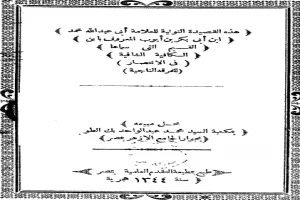
القصيدة النونية PDF - Ibn Qayyim Al-Jawzia
Ibn Qayyim Al-Jawzia • Islam • 257 Pages
(0)
Author
Ibn Qayyim Al-JawziaCategory
ReligionsSection
Number Of Downloads
62
Number Of Reads
63
File Size
9.61 MB
Views
1,363
Quate
Review
Save
Share
Book Description
«القصيدة النونية» لشمس الدين ابن قيم الجوزية، واسمها الأشهر في المصادر «الكافية الشافية في الانتصار للفرقة الناجية»، ليست رواية ذات حبكة وشخصيات، بل منظومة علمية طويلة في العقيدة والجدل الكلامي، تُعرف بالنونية لأنها مبنية على قافية النون. مؤلفها هو أبو عبد الله محمد بن أبي بكر بن أيوب، شمس الدين ابن قيم الجوزية، المتوفى سنة 751هـ، وهو من أعلام التراث الإسلامي في القرن الثامن الهجري. وبما أن الكتاب نص تراثي سابق لعصر الطباعة، فلا توجد له سنة نشر أصلية أو ناشر أصلي بالمعنى الحديث، لكن من طبعاته الموثقة طبعة دار عالم الفوائد للنشر والتوزيع بمكة، الطبعة الأولى سنة 1428هـ، كما صدرت طبعة محققة عن دار عطاءات العلم بالرياض ودار ابن حزم ببيروت، الطبعة الرابعة سنة 1440هـ/2019م.
يندرج كتاب «القصيدة النونية» ضمن كتب العقيدة الإسلامية، وهو مؤلَّف مستقل في صيغة قصيدة، وقد وصفته بعض الفهارس بأنه من كتب العقيدة ومنهج أهل السنة والجماعة. لذلك فالأقرب عند تلخيصه أن يقال إنه عرض شعري حجاجي لمباحث التوحيد والإيمان والنبوة والوحي، لا سرد قصصي. يعتمد ابن قيم الجوزية في هذه المنظومة على أسلوب يجمع بين البيان الأدبي والاستدلال الديني والردود الكلامية، فيخاطب القارئ بلغة تقريرية وجدلية، ويستعمل الصور الحربية والمناظرات الرمزية لتقريب الصراع الفكري بين منهج الإثبات ومنهج التعطيل كما يصوره.
تبدأ مادة «الكافية الشافية» بإرساء الإطار العام للكتاب: الانتصار لما يراه المؤلف عقيدة السلف والاعتماد على القرآن والسنة في مسائل الاعتقاد. ثم ينتقل النص إلى نقد التأويلات الكلامية التي يراها ابن القيم مخالفة لظاهر النصوص، فيناقش قضايا الصفات الإلهية، ومكانة الوحي، وحدود العقل، وطريقة الاستدلال بالنصوص الشرعية. ومن الموضوعات البارزة في فهرس الكتاب الرد على من يقول إن الاستدلال بكلام الله ورسوله لا يفيد العلم واليقين، وبيان الاستغناء بالوحي المنزل عن تقليد الرجال والآراء، وهي موضوعات تكشف أن مركز القصيدة هو الدفاع عن مرجعية الوحي في بناء الاعتقاد.
يمضي الكتاب بعد ذلك إلى تفصيل مفهوم التوحيد، فيميّز بين ما يسميه توحيد الأنبياء والمرسلين وبين مناهج النفاة والمعطلين، ويتناول مسائل الأسماء والصفات، وحقيقة الإلحاد في أسماء الله، والفرق بين الإثبات والتعطيل. وتظهر في هذه الأقسام نبرة جدلية قوية؛ إذ لا يكتفي المؤلف بعرض مذهبه، بل يهاجم المذاهب الكلامية التي يخالفها، ويصف آثارها على فهم النصوص وعلى علاقة المسلم بالقرآن والسنة. ولهذا تُقرأ القصيدة النونية غالبًا بوصفها نصًا عقديًا سجاليًا، لا بوصفها منظومة تعليمية محايدة.
وفي الأجزاء اللاحقة، يتوسع ابن القيم في الحديث عن أهل الحديث وأهل السنة، ويجعل اتباع السنن والقرآن طريقًا للنجاة، ثم ينتقل إلى موضوعات إيمانية أخروية مثل نعيم الجنة، ودرجاتها، وأبوابها، وصفات أهلها، ورؤية المؤمنين لربهم، وكلام الله مع أهل الجنة. هذه الخاتمة تمنح القصيدة بعدًا وعظيًا وروحيًا بعد طول الجدل العقدي؛ فالغاية ليست مجرد نقاش فكري، بل توجيه القارئ إلى الثبات على الإيمان والعمل الصالح كما يفهمه المؤلف.
تتميّز «القصيدة النونية» لابن قيم الجوزية بمكانتها في التراث الإسلامي عند المهتمين بكتب العقيدة، وبأسلوبها الذي يمزج الشعر بالتقرير العلمي والمناظرة. وهي تصلح للقارئ الباحث عن نص تراثي يعرض رؤية ابن القيم في التوحيد، والصفات، والوحي، والرد على التأويل الكلامي، لكنها تحتاج إلى قراءة واعية بسياقها التاريخي والعلمي، لأن لغتها ومصطلحاتها وأسلوبها الجدلي تنتمي إلى بيئة المناظرات العقدية في القرون الإسلامية الوسطى.
Ibn Qayyim Al-Jawzia
Ibn Qayyim Al-Jawzia is one of the most influential Muslim scholars, authors, and spiritual thinkers of the fourteenth century, remembered for his exceptional contribution to Islamic jurisprudence, theology, Quranic reflection, prophetic biography, ethics, and the purification of the heart. Born in Damascus in 1292, he grew up in a city known for its libraries, teaching circles, legal schools, and vibrant scholarly life. His full name was Muhammad ibn Abi Bakr ibn Ayyub, but he became widely known as Ibn Qayyim Al-Jawzia because his father served as the caretaker and administrator of the Jawziyyah school. This connection gave him the title by which readers across many generations continue to recognize him. His intellectual formation took place in an environment shaped by memorization, debate, close study of religious texts, and deep reverence for learned teachers. Among those teachers, the most famous was Ibn Taymiyyah, whose influence on him was profound. Ibn Qayyim Al-Jawzia studied with him for many years, absorbed his concern for the Quran and the Sunnah, and shared his criticism of rigid imitation when it separated people from sound evidence and living moral purpose. Yet Ibn Qayyim Al-Jawzia was not merely a follower of another scholar. He developed a distinctive voice marked by emotional depth, precise argument, literary elegance, and a rare ability to connect law, worship, psychology, and spiritual transformation. His writings show a mind interested not only in legal rulings but also in the inner life of the believer: sincerity, repentance, patience, gratitude, love, fear, hope, trust, and the struggle against destructive habits. Among his best-known works is زاد المعاد في هدي خير العباد, a rich study of the guidance of the Prophet Muhammad that combines biography, law, medicine, worship, manners, and practical conduct. Another major work is مدارج السالكين, a profound exploration of the stations of spiritual wayfaring, where he explains how the seeker moves through repentance, awareness, devotion, reliance, contentment, and love. His book إعلام الموقعين عن رب العالمين remains especially important for readers of Islamic legal theory because it discusses the responsibility of scholars who issue religious judgments, the seriousness of speaking in the name of sacred law, and the need to understand both textual evidence and real human circumstances. In الداء والدواء, he writes with unusual insight about sin, desire, moral weakness, and healing through knowledge, devotion, remembrance, and discipline. In روضة المحبين ونزهة المشتاقين, he explores love with literary beauty and psychological subtlety, making the work valuable not only as religious literature but also as a study of human longing and attachment. Other important works, such as مفتاح دار السعادة, الفوائد, الوابل الصيب, تحفة المودود بأحكام المولود, and شفاء العليل, further reveal the breadth of his scholarship. His style often moves from textual proof to reflection, from argument to exhortation, and from structured classification to poetic description. This flexibility gives his books lasting appeal because they serve students of knowledge, preachers, researchers, and general readers seeking meaningful guidance. Ibn Qayyim Al-Jawzia wrote with a clear belief that knowledge should reform the heart and action, not remain confined to memorized information. His legacy is therefore both scholarly and devotional. He contributed to the Hanbali legal tradition, engaged central theological questions, preserved and interpreted prophetic guidance, and created a literature of the heart that continues to inspire readers in many languages. He died in Damascus in 1350, leaving behind a body of work that remains central to Islamic studies and to contemporary interest in Muslim spirituality, ethical self-development, and classical religious thought. For a book website or author biography section, Ibn Qayyim Al-Jawzia represents a major classical author whose writings combine intellectual discipline, spiritual intensity, moral seriousness, and literary power.
Earn Rewards While Reading!
Every 10 pages you read and spent 30 seconds on every page, earns you 5 reward points! Keep reading to unlock achievements and exclusive benefits.
Read
Rate Now
5 Stars
4 Stars
3 Stars
2 Stars
1 Stars
القصيدة النونية Quotes
Top Rated
Latest
Quate
Be the first to leave a quote and earn 10 points
instead of 3
'%20/%3e%3c/svg%3e "اجتماع الجيوش الإسلامية على حرب المعطلة والجهمية")
Comments
Be the first to leave a comment and earn 5 points
instead of 3